
Lieferung heute & morgen

Qualitätsgarantie

Willkommens-Angebote freischalten: KOSTENLOSE Lieferung | Bis zu 80 % RABATT | Kostenlose 30-Tage-JoyPlus-Testphase
App herunterladen
Waxy corn differs significantly from classic sweetcorn. The kernels are usually denser, less juicy and have a soft, sticky to chewy texture. In Germany, it is often sold as glutinous rice corn, glutinous corn or “waxy corn”. It is suitable as a snack, side dish, breakfast or ingredient for Asian dishes.
However, if you want to buy waxy corn online, you should not focus solely on terms such as “naturally sweet”, “vacuum-packed” or “ready to eat”. The ingredients list, storage requirements, pack size and actual preparation method are what really matter.
A sweetcorn cob is not automatically glutinous rice corn. Classic sweetcorn often contains more juice and sugar and has a crunchier texture after heating. Waxy corn, on the other hand, is known for its denser, stickier texture. If you are looking for a chewy texture in an Asian-style corn on the cob, search specifically for “glutinous”, “waxy” or “sticky” in the product description.
A pre-cooked corn on the cob can be eaten straight from the packaging, but depending on the product, it may only need reheating. Other varieties are sold frozen and must first be fully defrosted or heated. The terms “ready to eat” and “cooking required” therefore have different meanings.
Vacuum-packed corn can often be stored at room temperature while unopened. However, this only applies if it is expressly stated on the label. Frozen Wang Korean Waxy Corn, for example, must be stored at −18 °C or below. Short use-by periods also apply after opening. Before buying, check whether you have enough cupboard or freezer space at home.
For a chewy, sticky texture, choose products described as waxy corn, glutinous rice corn or glutinous corn. Yellow varieties look more like classic corn, while colourful waxy corn or black sticky corn stand out thanks to their natural colouring. However, colour alone says nothing about sweetness, ingredients or texture.
If you are looking for a crunchier side dish for grilled food, you can also choose sweetcorn. For snacks and Asian recipes, however, the product description of the texture is more important than the colour.
A short ingredients list makes comparisons easier. Pure waxy corn, for example, may list only “corn”. Other products also contain water and salt, which is common with pre-cooked varieties. Tinned products may contain acidity regulators, while creamy corn may also contain sugar, starch and preservatives.
Always compare the information per 100 g. The reference products, for example, list energy values of between 140 and 185 kcal per 100 g for various glutinous rice corn products. These values vary by product and do not constitute a health assessment. The search term healthy corn snack should therefore not be understood as an automatic statement about its suitability as part of a healthy diet.
For an occasional snack, 220 to 450 g is sufficient. Families, house shares or regular users are more likely to benefit from multipacks such as 1 kg or 1.32 kg. After opening, many products must be refrigerated and consumed within 24 hours to two days.
Also check whether the corn is offered whole, individually wrapped, as kernels or in tins. Whole cobs are ideal for eating straight away, while corn kernels are easier to add to salads, soups, bowls and stir-fries.
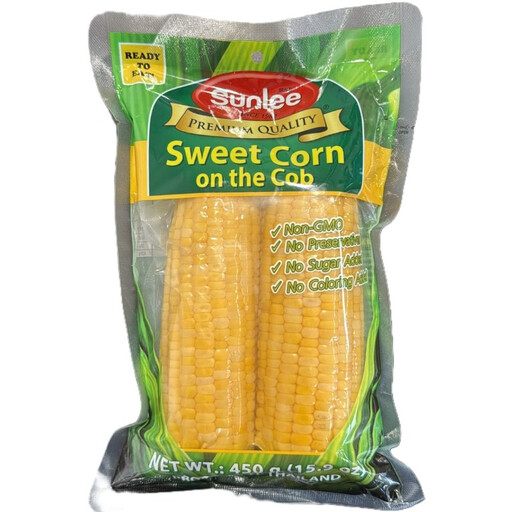
Why this product suits this profile: Two pre-cooked corn cobs with a total weight of 450 g are ideal for a straightforward introduction to waxy corn. The corn can be enjoyed as a snack, side dish or accompaniment to grilled food.
The product details clearly state “pre-cooked” and give specific preparation times for the microwave, boiling water and grill. No refrigeration is required while unopened.
Two cobs, 99% sweetcorn according to the ingredients information, plus water and salt; consume within two days of opening.
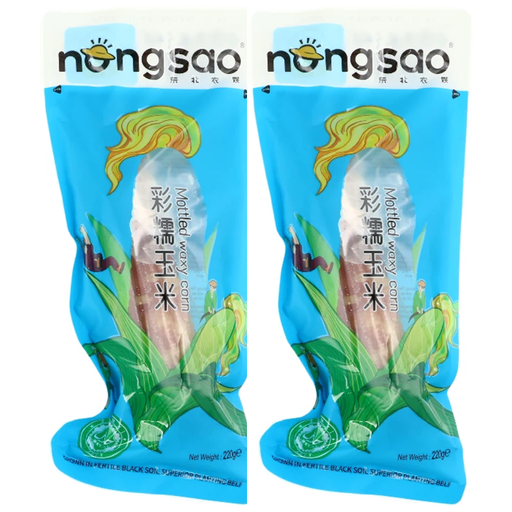
Why this product suits this profile: According to the product details, the pack contains 100% corn with no additives, preservatives or artificial colourings. The colourful kernels are described as containing natural plant pigments.
The ingredients list is short and storage at room temperature is expressly stated. This prevents the product’s colourful appearance from being mistaken for artificial colouring.
220 g ×2, ready to eat according to the product information, with 0.08 g of salt per 100 g stated.
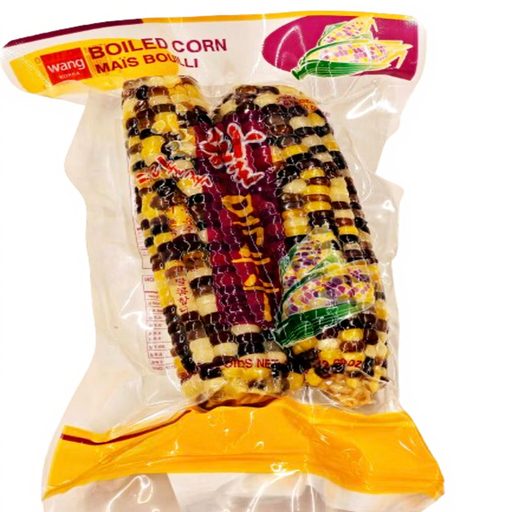
Why this product suits this profile: The two cobs are a good choice for shoppers specifically looking for a sticky, chewy texture and who have space to store frozen food at home.
The product details identify the item as frozen and specify a steaming or boiling time of 8–10 minutes. This makes it clear that it needs preparing rather than being ready-to-eat corn.
360 g total weight, 100% corn according to the ingredients list and described as gluten-free and vegan according to the product information.
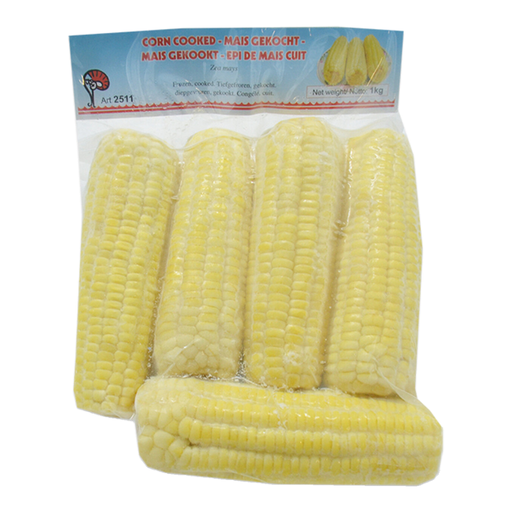
Why this product suits this profile: The 1 kg pack is suitable for salads, soups, stir-fries and side dishes when corn is needed regularly.
The statement “Keep frozen at −18 °C or below” makes the storage requirement clear. It should not be refrozen.
Large pack, suitable for serving hot or cold, with 87 kcal and 19 g of carbohydrates per 100 g according to the product details.
We have put together a complete, regularly updated list of products that fully meet these strict selection criteria and the safety regulations applicable in the EU.
The terms are often used interchangeably in retail. They refer to a variety of corn with a denser, stickier texture than conventional sweetcorn. The product description and preparation instructions are decisive when it comes to the exact characteristics.
This depends on the storage method and the best-before date. According to the labelling, unopened shelf-stable products can be stored at room temperature. After opening, they usually need to be refrigerated and consumed within one to two days.
Not every product is. Some packs are fully pre-cooked and ready to eat, while others need heating. Frozen black sticky corn generally needs to be prepared. Before buying, therefore, check for the terms “ready to eat” or “cooking required”.