
Lieferung heute & morgen

Qualitätsgarantie

Willkommens-Angebote freischalten: KOSTENLOSE Lieferung | Bis zu 80 % RABATT | Kostenlose 30-Tage-JoyPlus-Testphase
App herunterladen
If you’re looking to buy Li-Ning Way of Wade 12 basketball shoes, you’ll often come across product descriptions featuring terms such as “Competition”, “Carbon Plate” or “High Rebound”. On their own, though, these labels tell you little about whether a shoe is right for your feet, playing style and court. What matters is the construction, the fit and the type of indoor or outdoor surface you’ll be playing on.
A carbon-fibre plate can help stabilise the construction around the heel or midfoot. It doesn’t automatically make a shoe comfortable or suitable for every foot shape, though. If the forefoot is too narrow, stopping and moving sideways can cause pressure points. If you have wider feet, look beyond the EU size and check that there’s enough room for your toes and that the shoe’s last is wide enough.
Basketball shoes designed for indoor and outdoor use can be worn on different surfaces. However, asphalt and rough concrete put more strain on the rubber outsole than a clean indoor court. A GCU outsole with a pronounced tread can be used on different types of court, but where possible, avoid wearing the shoes regularly on rough asphalt.
A heavily cushioned midsole doesn’t necessarily reduce how much you can feel the court beneath your feet. For quick changes of direction, many players look for a balance of cushioning, court feel and lateral stability. The right balance depends on your body weight, position, training frequency and personal preference.
The Way of Wade 12 ABAV085 combines SUPER BOOM cushioning in two layers with a Supercritical Foam insole. According to the product information, SUPER BOOM is designed to provide rebound and energy transfer, while the Supercritical Foam insole is intended to support pressure distribution and underfoot comfort.
These are technical product features, not a guarantee of a particular jump performance or medical benefit. Check whether the cushioning suits the way you like your shoes to feel. If you prefer a very direct, low-to-the-ground feel, a highly responsive construction may take some getting used to.
According to the product description, the Way of Wade 12 has a reinforced carbon plate in the heel. For Li-Ning basketball shoes with a carbon plate, it’s particularly important to check where the plate sits in the shoe and how it connects to the midsole and upper.
A heel plate can help with stability when accelerating and stopping suddenly. But it’s no substitute for good lacing or a secure heel fit. When trying the shoes on, your heel shouldn’t lift, and your toes shouldn’t feel cramped at the front.
The lightweight GCU outsole is described as providing traction for quick cuts, stops and changes of direction. Test high-traction basketball shoes on the surface you’ll actually be playing on, as dust, moisture and wear can all affect grip.
For indoor courts, it’s best to keep the outsole clean and dry. Outdoor courts can wear it down more quickly. If you regularly play on both types of surface, check the tread and clean dust and dirt off the shoes after each game.
According to the product information, the Way of Wade 12 fits true to size, with a snug, performance-focused fit. Your usual basketball shoe size is a good starting point for a secure fit. If you have wider feet or wear thick performance socks, you could consider going up half a size.
Before ordering, follow these steps:
Basketball shoes in EU size 43 are available in several variants. Other sizes include EU 42 2/3, EU 43 2/3 and EU 44 1/3. Always check the available sizes on the relevant product page.
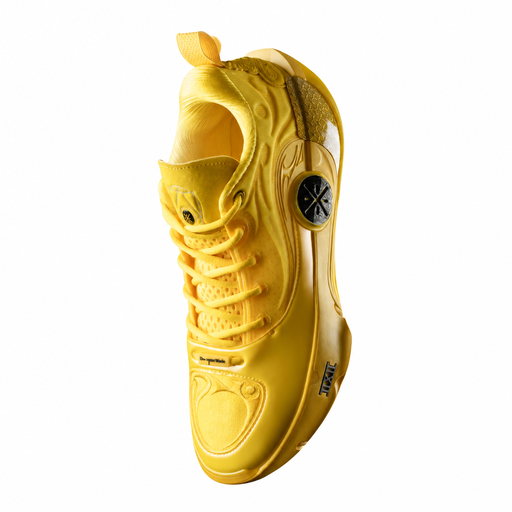
Why this product suits this profile: The EU 43 version is for players looking for a versatile basketball shoe for training and games, with a preference for a snug fit.
The product information gives specific details about the fit, materials and care instructions, rather than relying on vague performance claims.
Two-layer SUPER BOOM midsole, carbon heel plate and GCU outsole, according to the product description.
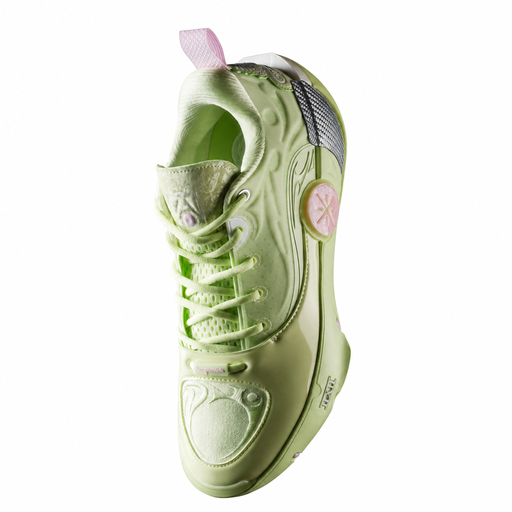
Why this product suits this profile: A good fit for club players and buyers looking for competition basketball shoes who want to compare technical features and materials before buying.
The product information distinguishes between the upper, heel plate, insole and outsole. This makes it easier to match marketing terms to specific components.
SUPER BOOM cushioning, a Supercritical Foam insole and a reinforced carbon-fibre plate are listed as key features of the construction.
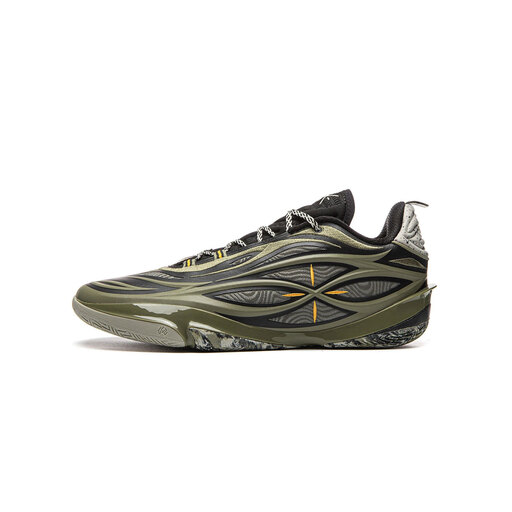
Why this product suits this profile: An option for frequent players who prefer a close-to-the-ground feel and a construction designed for quick acceleration and changes of direction.
The product description clearly states that the fit is snug. If you have a wider forefoot, you can take this into account when choosing your size.
Full-length carbon-fibre plate, GCU rubber in the forefoot and TUFF-RB rubber in the heel, according to the product information.
We’ve put together a complete, regularly updated list of products that meet these strict selection criteria and fully comply with the safety regulations in force in the EU.
After training, remove dust and dirt with a slightly damp cloth. Leave the shoes to air-dry, and don’t put them on a radiator or leave them in direct sunlight for long periods. Machine washing and harsh cleaning products can damage the upper, glued areas and cushioning.
How long they last depends on how often you train, your body weight, the surface you play on and how often you rotate your shoes. A pair worn every day on rough asphalt will wear differently from one used for the occasional indoor game. Noticeably worn tread, loose stitching or a heel that no longer feels secure are signs that it’s time to replace your shoes before your next competition.
The product description says the model is designed for indoor and outdoor use. Even so, expect the outsole to wear more quickly on rough outdoor surfaces. How well the shoes perform depends on the surface, how clean it is and how often you wear them.
The model is described as true to size, with a snug fit. Your usual basketball shoe size is a good starting point. If you have wider feet or wear thick socks, going up half a size may work well, as long as your heel still feels secure.
A carbon plate can stiffen certain parts of the construction and help with energy transfer. Overall stability also depends on the shoe’s last, lacing, heel hold, midsole and outsole. That’s why you should always assess the fit alongside the plate construction.