
Lieferung heute & morgen

Qualitätsgarantie

Willkommens-Angebote freischalten: KOSTENLOSE Lieferung | Bis zu 80 % RABATT | Kostenlose 30-Tage-JoyPlus-Testphase
App herunterladen
If you’re looking to buy Li-Ning Way of Wade basketball trainers, you’re probably after a combination of low weight, secure support and responsive cushioning. Basketball trainers differ significantly, especially during quick changes of direction, jumps and sudden stops. A flashy colour or a technical brand name alone, however, doesn’t tell you much about whether a model will suit your foot, playing style and the surface you play on.
This buying guide from the Joybuy Product Recommendation Officer gives you a clear, objective breakdown of the key features and shows which Way of Wade models could match different requirements.
A carbon fibre plate can stiffen the construction and affect how power is transferred. That doesn’t automatically mean every player will jump higher or accelerate faster. Your foot position, movement pattern, body weight and how the rest of the midsole is tuned all play a part.
If you’re used to a very flexible basketball trainer, a stiffer plate can feel unusual at first. For dynamic players, the construction might be appealing, but it doesn’t replace the need for a proper fit.
A rubber or GCU outsole may be designed for the court and selected outdoor surfaces. Even so, rough concrete and asphalt will wear the tread much more than a clean indoor court. Before you buy, check whether you’ll be using the trainer outdoors regularly and whether the manufacturer gives specific guidance on outdoor use.
Also, a basketball trainer with high traction can lose grip on a dusty indoor court. Wiping the sole regularly is more important than any marketing claim about grip.
A snug fit can give you a direct feel during fast movements. But if the forefoot is too narrow, you’ll get pressure points and reduced comfort. The models listed here are given in a regular size; if you have wider feet or wear thicker basketball socks, the product details suggest going up half a size.
Depending on the variant, the Way of Wade models in this selection use a dual-layer SUPER BOOM midsole and an insole made from supercritical foam. These components are designed for energy return, cushioning and controlled power transfer. How they feel is personal: a softer build feels different from a more direct, firmer construction.
With basketball trainers featuring SUPER BOOM cushioning, don’t just look at the material name. Also pay attention to where the cushioning is placed, the sole height and the stability around the heel.
The models differ in their plate construction. The WADE 808 5 ULTRA V2 is described in the product details as having a full-length carbon fibre plate. The Way of Wade 12 is said to have a reinforced carbon plate in the heel area. Both solutions follow different design approaches.
A full-length plate can support a particularly direct feel when rolling off and transferring power. A heel plate focuses stabilisation more on the rear part of the foot. For guards who cut and accelerate frequently, that direct feel can be relevant; bigger players should also look at heel hold and lateral support.
According to the product description, the WADE 808 5 ULTRA V2 combines GCU rubber in the forefoot with TUFF-RB rubber in the rearfoot. The Way of Wade 12 is described as having a lightweight GCU outsole. These details give you clues about the construction, but they aren’t proof of a specific level of durability on every surface.
When choosing basketball trainers for indoor and outdoor use, here’s what we recommend:
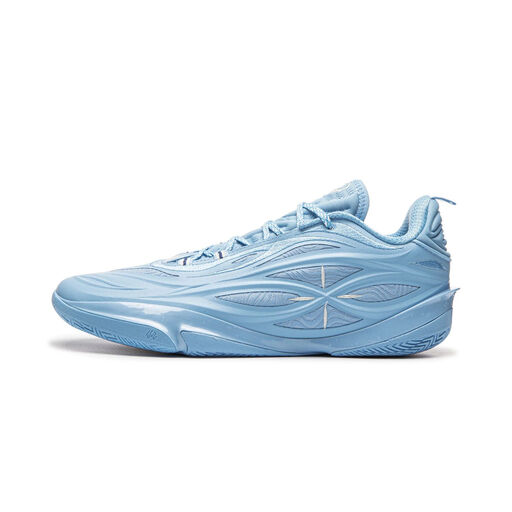
Why this product suits the profile: An option for players who want a lightweight competition trainer for training and occasional games, and who value direct movement control.
The product details mention a full-length carbon fibre plate as well as GCU and TUFF-RB rubber. This means you can check the technical features before buying, rather than relying on vague speed promises.
Woven jacquard mesh with 3D structure, full-length plate and separate rubber compounds on the forefoot and rearfoot.
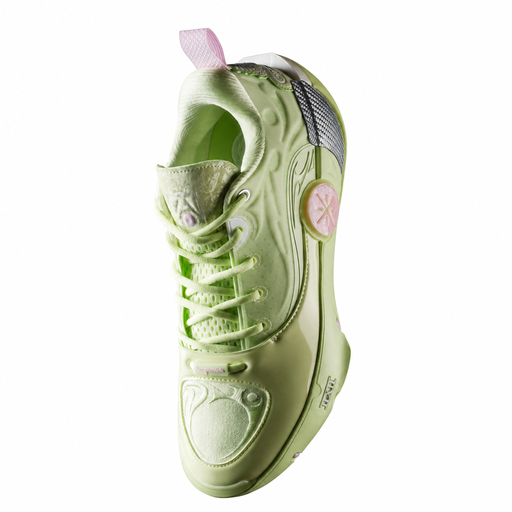
Why this product suits the profile: Suitable for ambitious players who want a well-tuned combination of SUPER BOOM, heel plate and lightweight outsole for intensive indoor sessions.
The product description lists the midsole, heel plate, insole and outsole separately. This makes it easier to compare objective construction features.
Dual-layer SUPER BOOM midsole, reinforced carbon fibre plate in the heel area, supercritical foam and GCU outsole.
Why this product suits the profile: This variant is aimed at frequent players who want to combine training, competition and use on suitable outdoor courts.
The specified GCU and TUFF-RB components make the sole construction clear. Even so, you should limit actual use on rough asphalt and check the tread regularly.
Lightweight TPU construction, full-length carbon fibre plate, snug mesh upper and multidirectional rubber tread.
Measure both feet in the evening and compare the longer measurement with the size chart for the specific product. When choosing professional basketball trainers for men, you should try them on with the socks you’ll wear during training. Half sizes between EU sizes can make a real difference.
After training, clean the trainers with a damp cloth and let them dry at room temperature. Direct heat, harsh cleaning products and the washing machine can damage the upper, adhesives and cushioning materials. If you play frequently, it’s a good idea to have a separate pair for indoor and outdoor use, depending on the surface.
We’ve put together a full, regularly updated list of products that meet these strict selection criteria and the safety regulations that apply in the EU.
The models mentioned are described as regular to snug-fitting. If you have wider feet or need a bit more room, going up half a size could work. What matters most is that your toes don’t hit the front and your midfoot is held securely.
It’s impossible to give a reliable lifespan. It depends on how often you train, your body weight, playing style, the surface and how well you look after them. Visibly worn tread, reduced heel hold or damaged areas on the sole are practical signs it’s time for a replacement.
Models with a GCU outsole are described in the product details as suitable for indoor and outdoor use. That can work well on dry, suitable outdoor surfaces. Rough asphalt and concrete courts, however, will increase wear. If you play outdoors regularly, check the sole particularly often.