
Lieferung heute & morgen

Qualitätsgarantie

Willkommens-Angebote freischalten: KOSTENLOSE Lieferung | Bis zu 80 % RABATT | Kostenlose 30-Tage-JoyPlus-Testphase
App herunterladen
The transition from milk to the first solid food is a significant milestone for your baby and for you as parents. Choosing the right tool plays a crucial role in this process. A suitable weaning spoon not only makes feeding easier but also supports your child's motor skill development and ensures a positive experience with their first meals. This guide provides objective criteria to help you make an informed decision and find the right first puree spoon for starting solids.
The variety of baby spoons is vast. To make the right choice, you should pay attention to a few fundamental features that consider safety, functionality, and your child's developmental stage.
The material is the most critical criterion. A baby's mouth is extremely sensitive. Hard, sharp-edged materials can injure the gums and delicate first teeth.
The shape of the spoon should be adapted to a baby's anatomy.
Based on the criteria mentioned, we present an option for starting solids as well as other speciality spoons from our range.
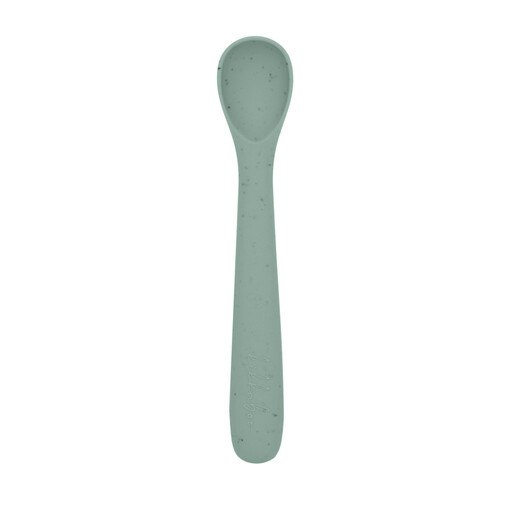
Why it stands out The Kikka Boo spoon was specifically designed for the needs of babies during the weaning phase. It is made of 100% food-grade platinum silicone, a high-quality and safe material. Its soft and flexible texture is particularly gentle on sensitive gums.
Benefits
Who it's for This spoon is designed for parents looking for a safe, hygienic, and functional first puree spoon for their baby from 6 months onwards. It is ideal for the beginning of the weaning journey and promotes the development of fine motor skills.
The following spoons are not intended for feeding babies but offer practical solutions for other areas in the kitchen.
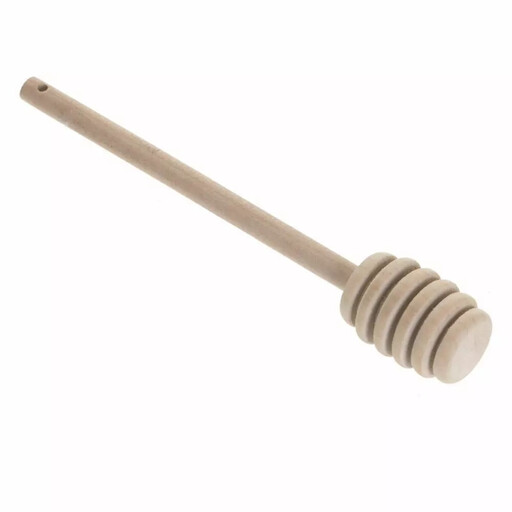
Why it stands out This natural wood spoon is specially designed for cleanly serving honey, syrup, or molasses. The grooves in the spoon head hold the viscous substance securely and prevent dripping.
Benefits
Who it's for For tea lovers, home cooks, and anyone who wants to portion honey or syrup cleanly. Not suitable as a weaning spoon for babies.
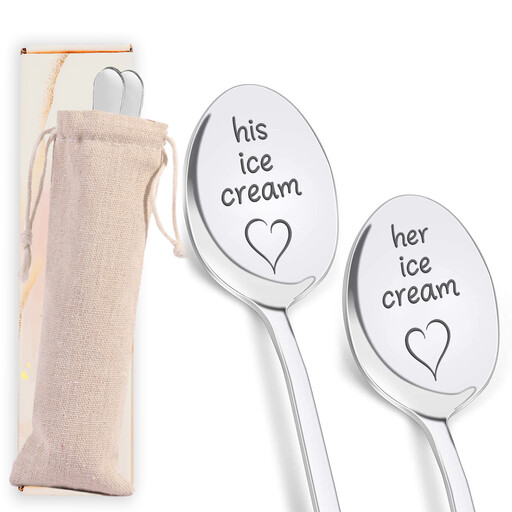
Why it stands out This set of two stainless steel spoons is intended as a gift for couples. The spoons feature matching engravings and come in a practical storage pouch.
Benefits
Who it's for For couples looking for a romantic yet practical gift. Not intended for use as a baby spoon.
If you are looking for special spoons for desserts, coffee, or other occasions in addition to the right weaning spoon, you will find a wider selection of functional and stylish models for your household in our Dessert Serving Spoons category.
Paediatricians and midwives generally recommend starting solids between the beginning of the 5th and the 7th month of life. Look for your child's signs of readiness for solids: they can hold their head up independently, show interest in your food, and the tongue-thrust reflex, which pushes solid food out of the mouth, has diminished.
Food-grade silicone is considered a very safe material for the first baby spoon. It is soft, flexible, BPA-free, and gentle on sensitive gums. When buying, always look for relevant certifications and the "food-grade" label.
Introduce the spoon slowly and in a calm environment. Let your baby explore the spoon first. Initially, put only a small amount of puree on the tip of the spoon and bring it horizontally to their mouth. Wait for your baby to open their mouth on their own. Do not force them and be patient. The first attempts are often more about getting acquainted than a full meal.