
Lieferung heute & morgen

Qualitätsgarantie

Willkommens-Angebote freischalten: KOSTENLOSE Lieferung | Bis zu 80 % RABATT | Kostenlose 30-Tage-JoyPlus-Testphase
App herunterladen
For nursing mothers who want to stay active in their daily lives, at work, or while travelling, a wearable breast pump is often an indispensable tool. However, the market can be overwhelming and full of marketing claims that don't always deliver. As your Joybuy Product Recommendation Officer, I'll help you identify the crucial features and avoid common purchasing pitfalls so you can make an informed decision.
Choosing the wrong device not only leads to financial loss but also to frustration and discomfort. Pay close attention to these three points to avoid a poor investment.
discreet breast pump should be quiet and unobtrusive. Yet, some models advertised as "whisper-quiet" produce a clearly audible operating noise, making them impractical for use in the office or public spaces. A bulky design that is visible under clothing also limits the promised freedom.To find the right electric breast pump for your needs, you should focus on objective, technical parameters rather than advertising slogans.
The flange size is the most important factor for comfort and efficiency. It should be precisely matched to the size of your nipple. Ideally, the product should come with a set of multiple sizes (e.g., 17 mm, 19 mm, 21 mm, 24 mm) so you can determine the right fit for you. The material should be made of food-grade, BPA-free silicone to ensure safety for you and your baby.
A good hands-free breast pump mimics a baby's natural sucking pattern. Look for models that offer at least two modes:
For an on-the-go breast pump, battery performance is crucial. A cordless breast pump should allow for several pumping sessions on a full charge (e.g., 150–180 minutes of use). A modern USB-C port makes charging easier. Also, pay attention to the device's weight and the number of parts to be cleaned. A low weight and a simple design make mobile use much easier.
Based on these objective criteria, we have selected a few products from our range that are suitable for different needs.
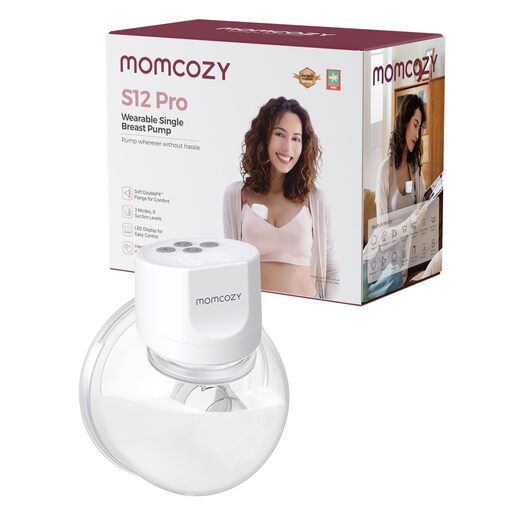
Why This Fits Their Persona: Ideal for mothers who want to try a wearable pump for the first time, only pump occasionally, or want to collect milk from the other side while breastfeeding. The single unit offers a cost-effective entry point into the world of hands-free breast pumps.
According to the manufacturer, it includes multiple flange sizes (17mm, 19mm, 21mm, 24mm), directly avoiding the "one-size-fits-all" trap and enabling a custom fit.
Offers three modes and nine suction levels for flexible adjustment. The milk collector's design is engineered for simple, leak-proof handling.
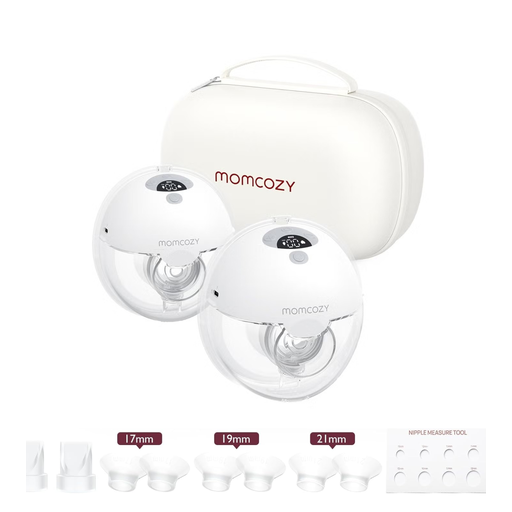
Why This Fits Their Persona: A `double breast pump` cuts pumping time in half, which is crucial for mothers with a busy schedule. The lightweight and compact design allows for discreet pumping during work or other activities.
Addresses the issue of false discretion with a low weight of just 225g (according to the manufacturer) and a shape that fits unobtrusively into a nursing bra. This enables true hands-free pumping.
The "Baby Mouth" suction technology with micro-vibrations is designed to mimic a natural sucking pattern. Four included flange sizes ensure a good fit.
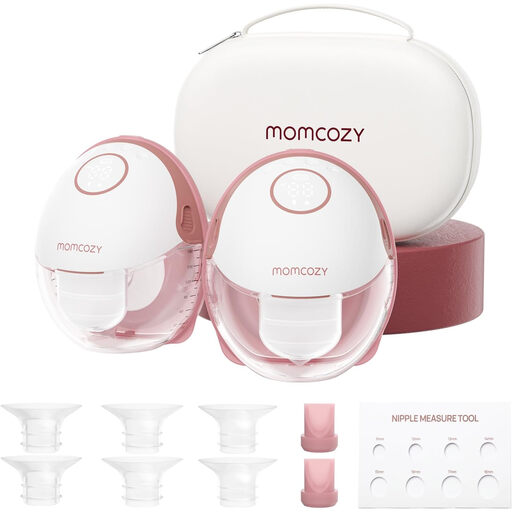
Why This Fits Their Persona: For mothers who pump very frequently and prioritise maximum comfort and milk yield optimisation. This model offers advanced features for long-term, intensive use.
Specifically addresses the challenges of comfort and handling: The "DoubleFit" flange combines soft and hard silicone elements for a better seal. The milk collector's design simplifies transferring milk and minimises the risk of spills.
According to the manufacturer, it features an "Ideal Rhythm" mode designed to boost milk production. The battery life of up to 180 minutes supports extended mobile use.
We have compiled a complete, up-to-date list of products that fully meet these strict selection criteria and UK safety regulations.
Silicone parts like valves, diaphragms, and flanges are subject to natural wear and tear. To ensure optimal suction and hygiene, most manufacturers recommend replacing these parts approximately every 3 months, or sooner with very frequent use. Regularly inspect the parts for tears or warping.
A well-fitting, supportive nursing bra is necessary for a secure and tight seal. It should press the pump firmly against the breast without being too tight or deforming the pump. A bra that is too loose can cause the pump to shift, leading to a loss of suction. Some manufacturers recommend specific bras, but a well-structured, stretchy model is often sufficient.
A single pump expresses milk from one breast at a time. This is useful if you only pump occasionally or want to collect milk from the other side while breastfeeding. A double breast pump expresses milk from both breasts simultaneously. This not only cuts the pumping time in half but, according to studies, can also stimulate the milk let-down reflex more strongly and potentially increase milk supply. For working mothers who pump regularly, a double model is usually the more efficient choice.