
Lieferung heute & morgen

Qualitätsgarantie

Willkommens-Angebote freischalten: KOSTENLOSE Lieferung | Bis zu 80 % RABATT | Kostenlose 30-Tage-JoyPlus-Testphase
App herunterladen
Choosing a breast pump is a key step towards gaining flexibility during your breastfeeding journey. A wearable breast pump promises freedom—whether for returning to work, running errands, or simply having your hands free in daily life. However, the market is flooded with models whose marketing promises often create more confusion than clarity. This guide will help you identify the essential features and avoid common purchasing mistakes.
As a Joybuy Product Recommendation Officer, my job is to filter through market information and provide you with objective, practical advice so you can make an informed decision.
Many mothers invest in a device that quickly proves to be impractical. Watch out for these three common problems to avoid disappointment:
To find the right electric breast pump, you should focus on verifiable technical features rather than marketing slogans.
Modern breast pumps should mimic a baby's natural nursing rhythm. Look for models that offer at least two modes:
Additionally, multiple adjustable suction levels are essential to tailor the intensity to your personal comfort and milk flow. Technologies that use micro-vibrations can further enhance milk expression.
The fit of the breast shield is crucial for both comfort and efficiency. The wrong size can lead to friction, pain, and incomplete breast drainage. A manufacturer that offers or includes various flange sizes (usually measured in millimetres) demonstrates an understanding of women's diverse anatomical needs. Measure your nipple diameter before purchasing to determine the correct size.
For a true on-the-go breast pump, three factors are critical:
Here are some recommendations tailored to specific use cases that address the pitfalls mentioned above.
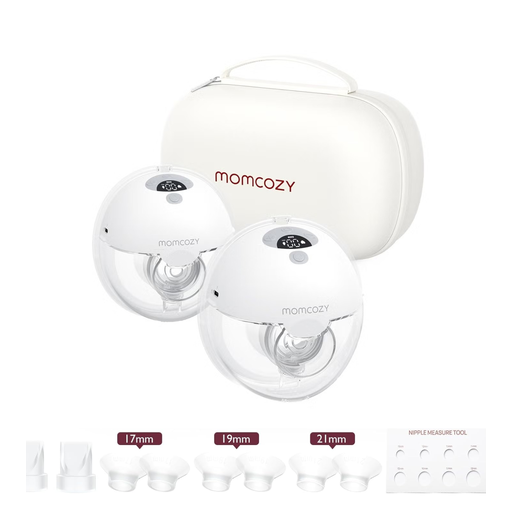
Why it's a good fit: Ideal for mothers who need to pump regularly and efficiently, for instance, during work breaks. Pumping on both sides simultaneously cuts the required time in half and can help boost milk supply.
Addresses the poor fit problem by including four different flange sizes (17/19/21/24mm). Its suction technology, which the manufacturer claims mimics a baby's nursing pattern, aims for high efficiency.
As a double breast pump, it allows for simultaneous pumping, which is a significant time-saver. Three modes and nine suction levels offer a high degree of personalisation.
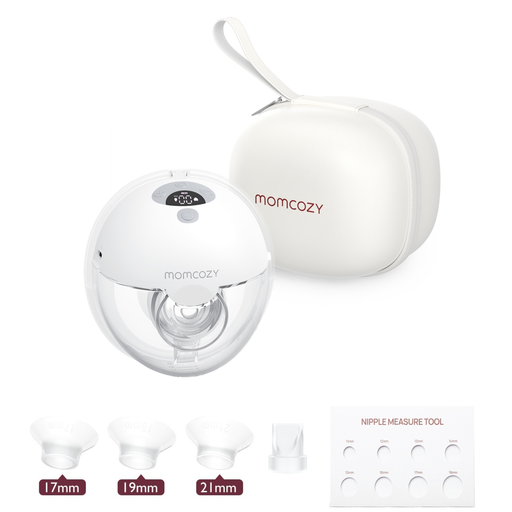
Why it's a good fit: Perfect for mothers who primarily breastfeed but need a compact solution for occasional pumping during appointments, while travelling, or for relieving engorgement on one side.
Counteracts the issue of lacking discretion. Its low weight of 225g (according to the manufacturer) and inconspicuous design make it a very discreet, quiet breast pump for mobile use.
The compact single pack is more cost-effective for mothers who don't need a double pump. It's an ideal entry point into hands-free pumping.
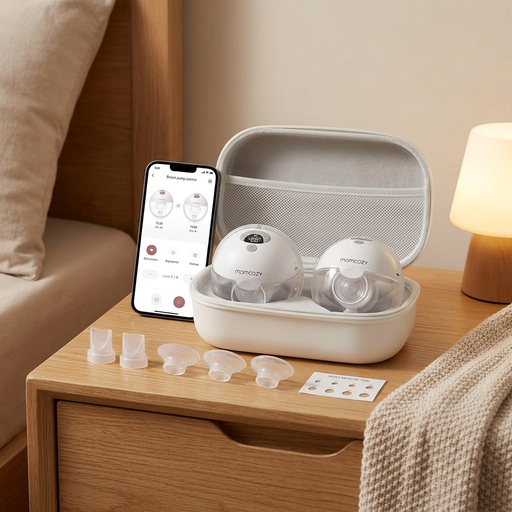
Why it's a good fit: For mothers who value data-driven control. The app connectivity allows you to control the pump and log pumping sessions directly from your smartphone.
Simplifies operation by allowing complex settings to be adjusted via an intuitive app interface. This can make it easier to handle compared to using only the on-device buttons.
The app control offers precise management and an easy way to track session duration and volume, which can be useful for maintaining milk supply.
We have compiled a complete, up-to-date list of products that fully meet these strict selection criteria and safety standards. Discover more practical breastfeeding accessories.
1. How often should the parts of a wearable breast pump be replaced? Silicone parts like valves, diaphragms, and breast shields are subject to natural wear and tear, which can affect suction power. Depending on the frequency of use, it is recommended to replace these parts every 1 to 3 months. Always refer to the manufacturer's specific guidelines.
2. Can you use a hands-free breast pump with any nursing bra? A well-fitting, supportive nursing bra is necessary for a secure hold and optimal suction. A bra that is too loose can cause the pump to shift and break the seal, which reduces efficiency and can lead to leaks.
3. How do you properly clean an on-the-go breast pump? After each use, disassemble all parts that came into contact with breast milk. Wash them with warm water and dish soap, rinse thoroughly with clean water, and let them air-dry on a clean surface. Check the manufacturer's instructions to see which parts are dishwasher-safe or can be sterilised. Specialised cleaning kits can make cleaning on the go easier.