For showing book pages
If you mainly want to show open pages and illustrations, look for a camera that can be positioned above the table as needed. IPEVO describes this positioning for the DO-CAM.


If the open pages are your main focus, a document camera that can be positioned above the book is an obvious choice. For showing your face and voice, a monitor webcam with a built-in microphone is a better fit. If you want to switch frequently between yourself and the book, a tilting webcam may work well – but first check that the whole book fits in the frame in your particular setup. Book size, audio source and a compatible computer connection matter more than resolution alone.
If you mainly want to show open pages and illustrations, look for a camera that can be positioned above the table as needed. IPEVO describes this positioning for the DO-CAM.
If your face and voice are the focus, make sure the microphone and your seating position work well together. Logitech lists a built-in stereo microphone for the Brio 500, while Hama also specifies a stereo microphone for the C-600 Pro.
If you want to switch between showing yourself and the book, check that you can reposition the camera quickly and securely at your intended workstation. IPEVO describes the DO-CAM as having a foldable camera head, while Logitech says the Brio 500 can show your desk when tilted.
First decide whether the book pages, your face or switching between the two is your main priority. This will determine the camera position, audio source and space you need at your workstation.
A good fit if: you mainly want to show the open pages on the table and have room to position the camera.
Bear in mind: the manufacturer does not list a built-in microphone for the IPEVO DO-CAM, so you’ll need to arrange a separate audio source.
A good fit if: you usually show your face and want to try a desk view from time to time.
Bear in mind: with the Brio 500, how much of the book is visible and how securely the camera is positioned depend on your monitor, the distance and the mounting method.
A good fit if: showing yourself and your voice matter most, and you’ll only hold up the book occasionally.
Bear in mind: a webcam designed for showing your face won’t necessarily give you a suitable overhead view of a book lying flat.
| What you need | What to look for | Who should prioritise it |
|---|---|---|
| Show the whole book spread | Measure the open double-page spread and compare it with the usable capture area and your planned camera position. Check the focus and readability in a test clip using the app you intend to use. | If I want the entire double-page spread, including text and pictures, to stay visible, I check the framing and sharpness first. Around 36 % of consumers put complete, recognisable book pages first. |
| Capture your voice clearly | Check whether there’s a built-in microphone or whether the computer or an external microphone will be your audio source. Test the sound from your planned seating position. | If clear speech is the main priority when reading aloud, test the microphone and distance together. Around 29 % of consumers prioritise audio recording. |
| Switch between yourself and the book | Test both views at your intended workstation and check that the mount stays stable when you switch between them. | If I want to show my face and the book in turn, being able to switch views easily matters more than having a camera designed for just one angle. Around 21 % of consumers put switching views first. |
| Connect and get started easily | Compare the model’s connection with the ports available on your computer and check the recording app. If you’re using a document camera, also work out which audio source you’ll need. | If you want to record using the computer you already have, pay particular attention to the connection and any extra equipment required. Around 14 % of consumers prioritise a straightforward setup. |
A resolution figure and autofocus don’t prove that the whole double-page spread will be readable from your planned camera position.
Measure the book, position the camera at your workstation and record a short test clip featuring a page with plenty of text and pictures.
According to the manufacturer, the IPEVO DO-CAM has no built-in microphone. For this model, the computer or an external USB microphone needs to capture the audio.
Check the details for the exact model and select the right audio source in the app before recording.
The Logitech Brio 500 shows your desk when you tilt the camera. How much of the book is visible depends on your particular setup.
Test the monitor height, clear desk space and book size together. If showing the pages is your main priority, consider a document camera.
Using copyrighted book pages in lessons is subject to legal requirements. A school assignment doesn’t automatically mean you can upload a whole book or video publicly.
Before sharing or uploading your work, check with the school which uses of the book and which audience are permitted for the project.
The Brio 500 is a monitor webcam for readers who mainly show their face and occasionally want to use a desk view. Logitech describes this as Show Mode, which works by tilting the camera.
According to IPEVO, the DO-CAM combines a document view with a foldable view of your face. It’s worth considering if you mainly want to capture book pages.
According to Hama, the C-600 Pro is a USB-A webcam for showing your face and recording your voice on a suitably equipped computer.
The PowerConf C200 is a webcam for showing your face, with an adjustable field of view for readers who want to change the framing.
These Joybuy products are webcams for computers and are a good place to start if showing the reader and capturing their voice are the main priorities for your school project.
 No image available
An option for readers looking for a computer webcam for video calls, with a built-in microphone.
1080p; autofocus; built-in omnidirectional microphone; USB Plug & Play.
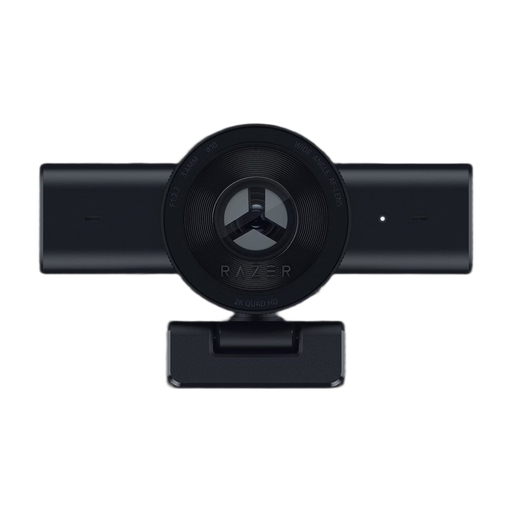 No image available
A webcam for readers considering a face-on view with a built-in microphone and autofocus.
1080p at 60 FPS; autofocus; 80° field of view; built-in microphone; USB Plug & Play.
 No image available
A webcam for computers and video calls, if a wide field of view and built-in microphone suit your setup.
4K; 99° field of view; autofocus; built-in microphone; USB-A to USB-C adapter according to the product description.
 No image available
A webcam for PCs, meetings and streaming, with two built-in microphones and a desk stand according to the product description.
4K; 1080p at 60 FPS; autofocus; 75° viewing angle; two microphones; USB-A/USB-C.
 No image available
A USB webcam for readers considering a face-on view with a built-in stereo microphone and adjustable stand.
Autofocus; 1080p at 30 FPS or 720p at 60 FPS; built-in stereo microphone; adjustable stand and desk tripod according to the product description.
Not just for the resolution. First measure the open book, then check the framing, focus and readability in a test clip using the app you plan to use. IPEVO gives a maximum capture area for the DO-CAM; Logitech lists the Brio 500’s resolution and autofocus, but doesn’t guarantee a capture area that will fit your book.
Before recording, test the camera at your intended workstation and check both views as well as the audio. Logitech says you can tilt the Brio 500 to show your desk. When tilting it, hold the mount with one hand if the suction cup isn’t attached.
According to the manufacturer, you’ll need to use your computer’s built-in microphone or an external USB microphone with the IPEVO DO-CAM. Before reading aloud, check which audio source is selected in the recording app; this information applies to the model mentioned here.
You can’t upload a video publicly just because it’s part of a school project. Section 60a of the German Copyright Act (UrhG) covers certain non-commercial uses to support teaching at educational institutions; what’s permitted depends, among other things, on the work and how it’s used. Exceptions apply to certain works of limited length. For covered digital uses, Section 63 of the UrhG requires the source, including the author, to be credited where possible. The Federal Ministry of Justice and the Federal Office of Justice set out these provisions in the statutory text. Check with your school before publishing to confirm whether they apply to your project.
There isn’t one answer that applies to every German state, recording purpose and method of publication. The Rhineland-Palatinate data protection authority describes a legal basis that can allow certain compulsory digital teaching materials to be introduced without prior parental consent; this isn’t general permission to record or publish videos. Discuss the specific project and how it will be shared with your school, and keep anyone who doesn’t need to be there out of shot.