
Lieferung heute & morgen

Qualitätsgarantie

Willkommens-Angebote freischalten: KOSTENLOSE Lieferung | Bis zu 80 % RABATT | Kostenlose 30-Tage-JoyPlus-Testphase
App herunterladen
If you find it difficult to gain weight despite training regularly, a practical weight gainer may be worth considering. A mass-building powder can help you add extra calories, carbohydrates and protein to your daily routine. However, it cannot replace a balanced diet or an individually appropriate training and recovery plan.
When buying, it is worth taking a close look at the nutrition table. High calorie figures, large pack sizes and terms such as “mass gainer” alone reveal little about whether a product is right for your goals.
A weight gain shake can provide significantly different amounts of energy depending on how it is prepared. Some manufacturers state the values per 100 g of powder, while others give them per serving made with milk. This can make products appear more comparable at first glance than they really are.
Always check:
With a calorie shake made with milk, the additional calories come from the drink and not exclusively from the powder.
A protein-carbohydrate powder containing 75 to 80% carbohydrates may be interesting for people with high energy requirements. However, dextrose and maltodextrin also provide a high proportion of sugar or rapidly available carbohydrates. If you already meet your calorie requirements through ordinary meals or want to limit your carbohydrate intake, a protein powder with a lower carbohydrate content may be more suitable.
What matters is the combination of total energy, protein content, sugar content, fat and your own level of physical activity.
A weight gainer with creatine combines two different product functions: additional energy and creatine monohydrate. The amount of creatine included should be clearly stated in grams per serving. For the products reviewed here, it ranges from around 0.7 g to 3 g per serving.
Creatine is not a substitute for an adequate supply of energy and protein. If you have an existing medical condition, take medication or are unsure about taking it, medical advice is recommended. Minors, pregnant women and breastfeeding women should follow the relevant manufacturer’s guidance.
For weight gain, your total daily balance is what counts. A large shake containing over 1,000 kcal may be convenient, but it is not suitable as a daily serving for everyone. With very high-calorie products, start with a smaller amount and see how easily it can be incorporated into your daily plan.
If you mainly need additional carbohydrates for muscle building and energy, you can choose a gainer with a high carbohydrate content. Products containing around 10 to 20 g of protein per 100 g of powder provide less protein than classic protein powders. A separate protein shake may be more suitable if your calorie intake already comes from your diet.
For comparison: according to the product details, the Power System 5K Vanilla Protein Shake contains 79 g of protein and 6.1 g of carbohydrates per 100 g. It is therefore more of a high-protein drink than a classic weight gainer.
Look out for milk, egg, soya and cereals containing gluten in the ingredients and allergen list. With a vegan diet, animal-based protein sources such as whey, milk protein or hen’s egg are not suitable. Clear preparation instructions, an included measuring scoop and a pack size that can be used within the stated consumption period are also practical features.
A 4.5 kg pack is more economical and easier to plan for frequent users, while a 1.4 kg pack means less commitment to a particular flavour.
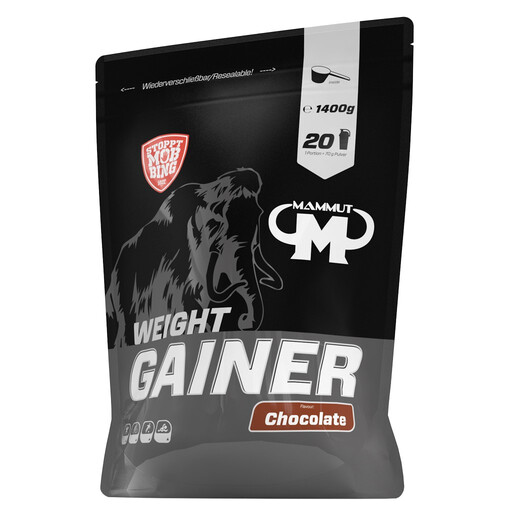
Why this product suits this profile: The smaller pack offers a manageable introduction to a high-calorie weight gainer. According to the product details, one serving made with 70 g of powder and 250 ml of whole milk provides 430 kcal, 66 g of carbohydrates and 18 g of protein.
The serving values are stated including milk. This makes it easier to factor the actual preparation into your daily balance.
Chocolate flavour, a carbohydrate and protein blend, plus 700 mg of creatine monohydrate per serving according to the product details.
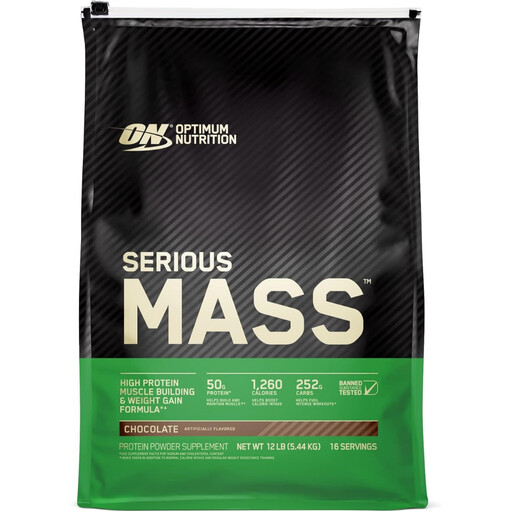
Why this product suits this profile: For adults who prefer detailed labelling and a large pack. For a 334 g serving mixed with water, the manufacturer states 1,263 kcal, 50 g of protein, 251 g of carbohydrates and 3 g of creatine monohydrate.
The nutritional values per large serving, the ingredients and the allergens included are listed in detail. If necessary, the recommended amount can initially be halved.
High calorie density, 50 g of protein per serving, 3 g of creatine monohydrate and 25 listed vitamins and minerals.

Why this product suits this profile: The large pack is aimed at endurance and performance athletes, as well as people who regularly plan to include a carbohydrate-rich shake. According to the product details, one serving made with 90 g of powder and 300 ml of whole milk contains 518 kcal.
The pack size and recommended serving are clearly stated. The 80% carbohydrate content can be understood by looking at the stated sources, dextrose and maltodextrin.
Four-component protein blend made from soya, egg, whey and milk protein, plus 1,000 mg of creatine monohydrate per 100 g of powder according to the product details.
We have put together a complete, regularly updated list of products that fully meet these strict selection criteria and the safety regulations applicable in the EU.
A weight gainer can be used between meals, before training or after training. The exact amount should depend on your individual calorie requirements. Prepare the shake according to the instructions on the pack and drink it as fresh as possible. If you have a sensitive digestive system, it is sensible to start with half a serving.
Store the powder sealed, in a dry place, protected from light and at room temperature. Once opened, follow the instructions on the relevant packaging. Allergy sufferers should check the full ingredients list before buying.
This depends on your calorie requirements, training volume and diet. For the products mentioned, manufacturers recommend up to three shakes a day in some cases. Starting with a smaller serving helps you incorporate the additional energy gradually. Your total daily intake remains the deciding factor.
A weight gainer for hardgainers can be practical if large meals are difficult to fit into your daily routine or your energy requirements are particularly high due to training. However, the term “hardgainer” does not describe a medically defined group of people. Your individual diet, activity level and weight development are what matter.
This depends on the serving size and how often you use it each day. A 4.5 kg pack contains roughly 50 servings when using 90 g per serving. At one serving a day, it will therefore last longer than when having two or three servings. With large amounts such as 334 g per serving, the product will run out considerably sooner. Therefore, check the price per serving rather than just the pack price.