
Lieferung heute & morgen

Qualitätsgarantie

Willkommens-Angebote freischalten: KOSTENLOSE Lieferung | Bis zu 80 % RABATT | Kostenlose 30-Tage-JoyPlus-Testphase
App herunterladen
If you’re looking to gain weight, you’ll soon come across large servings, high calorie counts and promises such as “Mega Mass” or “Hardgainer formula”. But weight gainer powder won’t automatically suit every training goal. What matters is the balance of nutrients, serving size and how easy it is to fit into your daily routine.
As a Joybuy Product Recommendation Officer, I assess the claims against criteria you can check for yourself. This helps you avoid buying a product just because it comes in a large pack or makes eye-catching claims, when it may not be particularly useful in your own diet plan.
A mass gainer can provide several hundred to more than 1,200 kcal per serving. That may sound convenient, but some servings contain 300 to 340 g of powder and need to be mixed with several hundred millilitres of liquid. If you start with a smaller serving, you’ll get considerably fewer calories and less protein.
So always check:
Many gainers contain mainly maltodextrin and dextrose. These carbohydrates for muscle building can increase your energy intake, but they don’t replace a varied diet. A high carbohydrate content may be particularly useful for endurance and performance athletes, while other people may need a more moderate calorie surplus.
So check the balance of carbohydrates, protein, fat and sugar. A product that is 80% carbohydrates is quite different from a protein-focused high-calorie protein shake.
A weight gainer with creatine can be convenient if creatine is already part of your supplement plan. However, the amount included varies considerably. According to product information, some products contain around 0.7 to 1 g of creatine monohydrate in a smaller serving, while others provide 3 g in a large serving.
If you already use a separate creatine product, take your total intake into account and follow the directions on the packaging. If you have a medical condition, take medication or are unsure, it’s a good idea to seek medical advice.
For a calorie-surplus shake, the value per 100 g isn’t the only thing that matters. Also compare it with the amount you could realistically drink. A product with 388 kcal per 100 g provides around 349 kcal in 90 g of powder. Preparing it with milk will increase the energy content further.
With a weight gainer for muscle building, the protein content should also fit in with the rest of your diet. A whey product often provides considerably more protein per 100 g than a carbohydrate-rich gainer. If your main aim is to add protein, an protein shake for weight gain or whey protein powder may be a better fit.
Weight gainers often combine several protein sources, such as whey, milk, soya and egg. This can make for a varied formula, but it’s important to check if you have an intolerance or allergy.
Read the ingredients list and allergen information before ordering. The products listed here include milk, soya, egg and cereals containing gluten. Ingredients can also vary between flavours that seem similar.
A 4.5 kg weight gainer can be good value if you use it regularly and means you won’t need to reorder as often. At the same time, once opened, the pack should be stored in a dry place, sealed and away from light. According to the product information for Mammut Nutrition Crash Weight Gainer, the contents should be used within four months of opening.
For beginners, a 1.4 kg pack may be a better choice. That gives you a chance to check the flavour and how well you tolerate it before buying a larger pack.
The options below vary in serving size, formula and pack size. The details are based on the information provided for each product.
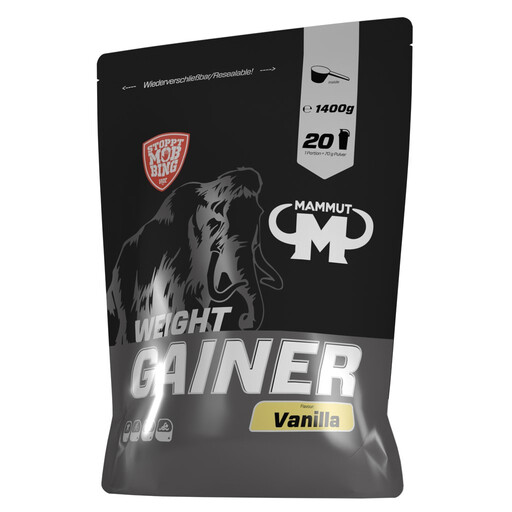
Why it suits this profile: The smaller pack makes it easier to try a carbohydrate-rich gainer without buying a large quantity straight away. According to the product information, a serving of 70 g of powder mixed with milk provides around 430 kcal and 18 g of protein.
Nutritional values are given for both the powder and the prepared serving, making it easier to assess the actual energy content.
1.4 kg pack, three-component carbohydrate complex and creatine monohydrate listed in the ingredients.
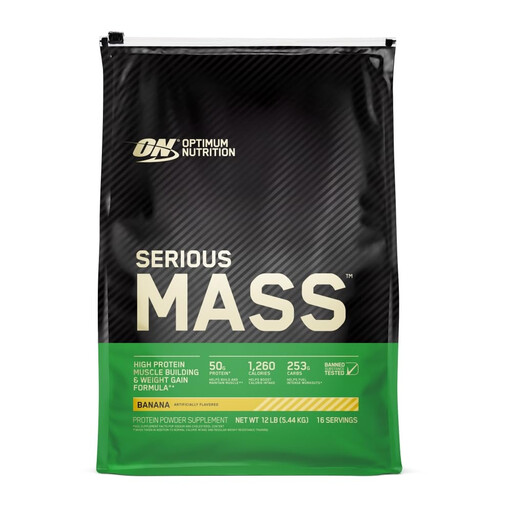
Why it suits this profile: The product information states that a 335 g serving provides 1,260 kcal, 50 g of protein, 250 g of carbohydrates and 3 g of creatine monohydrate. It’s aimed at adults with high energy requirements.
The very large serving size is clearly stated. This makes it easier to factor the amount of powder used per shake into your budget.
5.45 kg pack, 3 g of creatine monohydrate per stated serving and a vitamin and mineral blend, according to the product description.
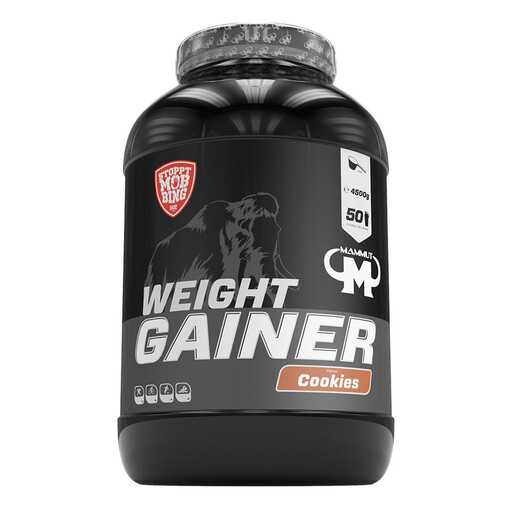
Why it suits this profile: According to the product description, its high-carbohydrate formula is aimed at endurance and performance athletes, as well as people with increased calorie requirements.
The ingredients and allergen list includes maltodextrin, dextrose, oats, milk protein, soya protein and egg protein. You can check these before you buy.
4.5 kg pack, around 80% carbohydrates according to the product information and approximately 1 g of creatine monohydrate per 100 g.
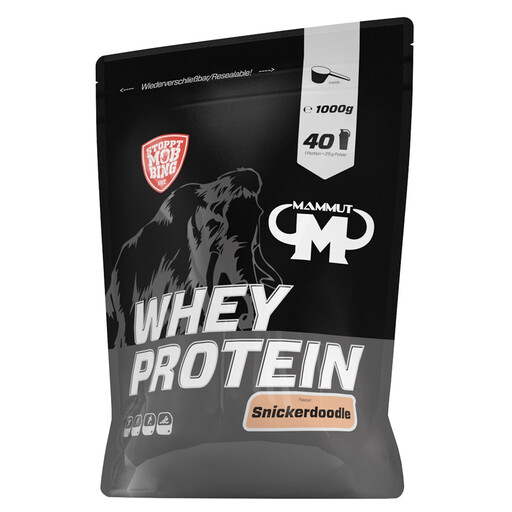
Why it suits this profile: For anyone who doesn’t need a highly carbohydrate-rich gainer, the product description states that each 25 g serving provides 27 g of protein. You can have it after training or as a high-protein snack.
It isn’t presented as a complete mass gainer. If you’re aiming to increase your calorie intake through regular meals, this product is primarily a way to add protein.
92% whey protein concentrate according to the ingredients list, and a 1 kg pack for everyday use.
We’ve put together a complete, regularly updated list of products that meet these strict selection criteria and fully comply with the safety regulations in force in the EU.
Start with a smaller serving and see how it fits into your daily plan. Follow the manufacturer’s guidance, and take your own calorie intake and tolerance into account. A gainer should complement a balanced diet, not replace it entirely.
That depends on serving size and how often you use it. With a 4.5 kg product, 90 g servings would work out at around 50 servings. If you use a much larger serving every day, the pack will run out sooner. Once opened, also follow the storage and usage instructions on the packaging.
A gainer usually provides plenty of carbohydrates and calories, while whey protein mainly increases your protein intake. A gainer is more convenient if you’re aiming for a calorie surplus. If you already get enough energy from meals and only want to add protein, you could choose a whey product.