
Lieferung heute & morgen

Qualitätsgarantie

Willkommens-Angebote freischalten: KOSTENLOSE Lieferung | Bis zu 80 % RABATT | Kostenlose 30-Tage-JoyPlus-Testphase
App herunterladen
A wet and dry vacuum cleaner is designed to pick up dry dirt while wet-cleaning hard floors at the same time. For many households in Germany, that sounds like a practical all-in-one solution. However, wet and dry vacuum cleaners, cordless stick vacuums, wet and dry shop vacuums and robot vacuums with mopping functions differ considerably in terms of applications, maintenance and ongoing costs.
As a Joybuy Product Recommendation Officer, I therefore filter the most important product features and common marketing claims. The key is not the longest possible list of features, but the right combination of floor type, cleaning area, pet hair and the level of convenience you want.
Manufacturers often quote very high suction-power figures. These can be useful for initial guidance, but they are not always directly comparable across different designs and measurement methods. In everyday use, a cordless vacuum cleaner with a motorised brush, well-designed airflow and a suitable carpet head may be more practical than a model with a higher stated figure but a poorly suited floor head.
You should therefore also consider brush design, filtration, suction modes and suitability for carpets and hard floors.
A traditional robot vacuum with a mopping function usually moves a damp mop pad across the floor. A wet and dry vacuum cleaner, on the other hand, picks up dirty water and uses a rotating roller. For dried-on marks or spilled liquids, a wet and dry vacuum cleaner should generally be assessed differently from a robot with a thin mop pad.
So check whether the appliance is actually designed to pick up liquids, whether clean and dirty water are kept separate, and which cleaning agents are approved.
Self-cleaning stations, automatic dust emptying and app control can reduce the effort required each day. However, filters, brushes, dirty-water tanks and sensors still need to be cleaned regularly. If damp rollers or tanks remain closed for extended periods, unpleasant odours can develop.
Self-cleaning with drying is therefore a useful feature, but it should not be confused with completely maintenance-free operation.
For sealed hard floors such as tiles, vinyl, laminate or suitable wooden flooring, wet and dry vacuum cleaners with separate water tanks are a good option. According to the manufacturer, the Midea X10 Smart is designed for hard floors and combines automatic dirt detection with adjustments to suction power and water flow.
For carpets, however, you need a suitable dry brush or a robot vacuum with carpet detection. With a robot, an automatic mop lift is useful so that damp pads are not dragged over carpets. For upholstery, car seats and individual stains, a compact carpet cleaner with spray, brushing and extraction functions is generally more suitable.
The stated runtime often refers to a particular mode. Turbo or maximum-power settings reduce the actual operating time. The following factors are therefore relevant:
According to the manufacturer, the Vactidy V15 offers up to 60 minutes of runtime and a removable battery. The Proscenic P20 OnePass is described as offering up to 70 minutes of runtime and a 1.5-litre dust container. Such figures are manufacturer specifications and should be considered alongside the size of your home and the selected suction mode.
Pet owners should look for an anti-tangle brush, easily accessible filters and a suitably sized container. According to the product description, V-shaped brushes or integrated combs can help reduce the tangling of long hair. Multi-stage or sealed HEPA filtration is a technical filter feature, not a medical claim.
The appliance’s height and joint design are also important for cleaning beneath low furniture. According to the manufacturer, the Midea X10 can be reclined by up to 170 degrees and is 21.3 centimetres high at its lowest point. With robot vacuums, measure the appliance height, check the navigation system and allow sufficient clearance in front of the charging station.
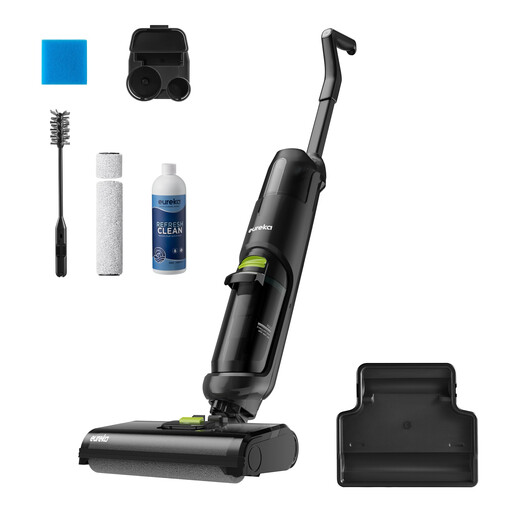
Why this product suits this profile: This cordless wet and dry vacuum cleaner is designed for sealed hard floors and picks up both dry and wet everyday dirt in a single pass.
According to the manufacturer, the two-tank system keeps clean and dirty water separate. The self-cleaning function rinses the roller and internal lines, but does not replace emptying and drying the tanks.
Self-propulsion, flexible brush-head steering and up to 30 minutes of cordless runtime according to the manufacturer.
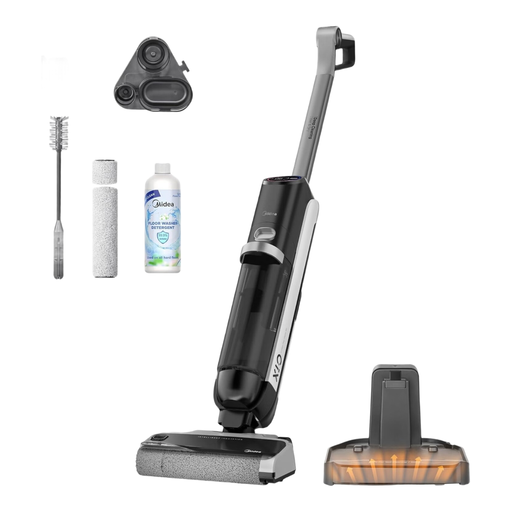
Why this product suits this profile: Suitable for users who want to combine automatic adjustment, edge cleaning and a structured care routine after mopping.
The stated dirt-detection system adjusts suction power and water flow. The station’s 60-degree hot-air drying tackles the often-overlooked moisture left in the brush roller.
Anti-tangle brush, edge-cleaning brush, LED display and 170-degree recline according to the product specifications.
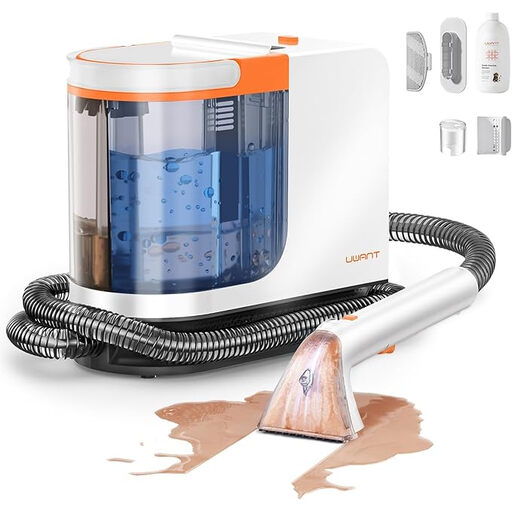
Why this product suits this profile: Ideal for pet owners and families who want to tackle upholstery, carpets, car seats or individual stains in a targeted way.
As a specialist carpet cleaner, this appliance should not be treated as a floor wet and dry vacuum cleaner. Its clear specialisation helps prevent unrealistic expectations about everyday hard-floor cleaning.
According to the product specifications, 18 kPa suction power and cleaning tools for carpets, upholstery, sofas and vehicle interiors.
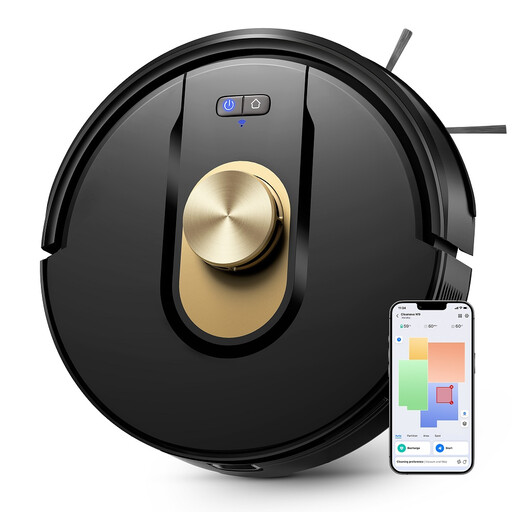
Why this product suits this profile: This robot vacuum cleaner with LiDAR navigation is suitable for users who want to plan rooms via an app and automate everyday maintenance cleaning.
According to the manufacturer, the app supports up to five maps, no-go zones and adjustable water flow. This allows carpets and sensitive areas to be planned more precisely.
LiDAR mapping, app control, up to 150 minutes of stated runtime, plus automatic charging and resume functions.
We have put together a complete, regularly updated list of products that fully meet these strict selection criteria and the safety regulations applicable in the EU.
After every wet-cleaning session, empty and rinse the dirty-water tank. Rollers and mop pads must be allowed to dry as instructed. Only wash filters under water if the manufacturer expressly permits this; they must be completely dry before being refitted.
With robot vacuums, you should also check the sensors, side brushes and charging contacts regularly. Remove cables, small objects and loose textiles from the floor. Use only approved cleaning solutions, and do not exceed the specified temperature for appliances with a water tank.
That depends on the design. Many wet and dry vacuum cleaners are primarily intended for sealed hard floors. For carpets, you need a separate dry-cleaning function, a suitable brush roller or a robot with carpet detection and mop lifting. A carpet cleaner also uses spray water and extraction and is designed for stains and upholstery.
Runtime varies depending on the suction level, brush motor and mopping operation. Manufacturer figures of 30 to 70 minutes often refer to lower or standardised modes. For larger homes, a replaceable battery, a large dust container or an automatic charging and resume function are useful features to consider.
In addition to electricity consumption, filters, brushes, cleaning solution and, with robot vacuums, dust bags or replacement pads can create ongoing costs. Appliances with washable filters or bagless stations can reduce the amount of consumables required. Before buying, check the prices and availability of original replacement parts.