
Lieferung heute & morgen

Qualitätsgarantie

Willkommens-Angebote freischalten: KOSTENLOSE Lieferung | Bis zu 80 % RABATT | Kostenlose 30-Tage-JoyPlus-Testphase
App herunterladen
A wet and dry vacuum cleaner with a mopping function can pick up dry dirt, liquids and light messes in a single pass. For families, pet owners and larger homes, this initially sounds like a significant simplification of floor care. In practice, however, the results depend heavily on the design, tank capacity, battery life and maintenance required.
Figures such as Pascal values or wattage only describe part of the performance. What matters is how the brush roll, water flow and dirty-water tank work together. Even a cordless vacuum mop with high suction power may require frequent brush cleaning when dealing with hair. Conversely, a model with more moderate technical specifications may be perfectly adequate for everyday cleaning in kitchens and hallways.
A cordless vacuum mop needs a charging break after a certain amount of use. For smaller flats, this may be perfectly sufficient. In larger homes, you should consider battery life, charging time and tank capacity together. A device offering 30 minutes of operating time and a four-hour charging period may be less suitable for cleaning an entire home than a corded model.
A self-cleaning vacuum mop generally rinses the brush roll and internal lines. The dirty-water tank, filters and seals still need to be emptied, rinsed and dried. If dirty water remains in the appliance for an extended period, unpleasant odours may develop. Before buying, therefore, check whether the tanks and filters are easy to access.
Many vacuum mops are designed for sealed hard floors, tiles, vinyl or laminate. Unfinished wood, delicate natural stone and heavily textured surfaces are often subject to restrictions. Follow the manufacturer’s instructions and use only a small amount of water on laminate or parquet flooring. A floor cleaner for laminate and tiles should offer controllable water dispensing and leave no standing moisture behind.
The cleaning solution is also important. Some appliances require a specific branded liquid, while others may only be operated with water or an approved solution. Unsuitable cleaning products can cause foaming, residue or damage to the seals.
An appliance with separate fresh- and dirty-water tanks prevents the same liquid from being put back onto the floor. For larger areas, tank capacities from around 500 millilitres are practical, although actual consumption depends on the amount of water dispensed and how dirty the floor is.
Also pay attention to emptying the tank: a dirty-water tank should be removable and rinseable without complicated individual steps. Automatic self-cleaning is useful, but it is no substitute for manually cleaning the tank.
The brush width and distance from the wall determine how much additional work is needed around skirting boards. Some models state edge-cleaning performance in millimetres or centimetres. These figures should be understood as technical guidance, not a guarantee that every corner will be completely free of dirt.
A flat reclined position is practical in homes with low furniture. Check the stated height and range of movement. For battery-powered devices, battery life in the relevant cleaning mode, charging time and the availability of a replacement battery should also be included on your checklist.
The following models differ in terms of power supply, design and features. The information is based on the respective product descriptions.
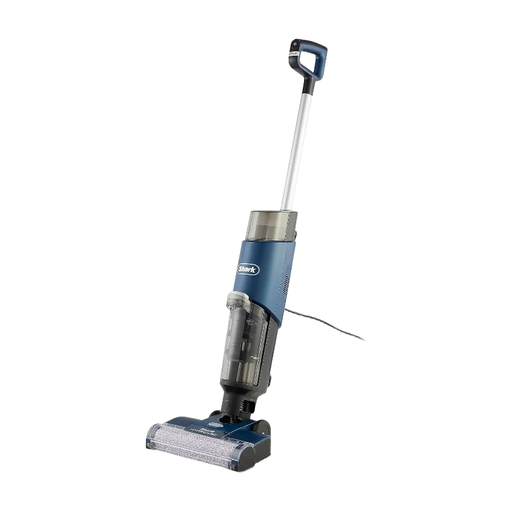
Why this product suits this profile: The corded model is ideal for users who do not want to plan around battery life and prefer a constant power supply. The 25-foot cable is approximately 7.6 metres long.
The corded power supply prevents an unexpected interruption caused by a flat battery. The product description also mentions a self-cleaning function and separate dirty-water filtration.
3-in-1 function for vacuuming, washing and cleaning; 500-millilitre capacity and self-cleaning brush roll according to the product information.
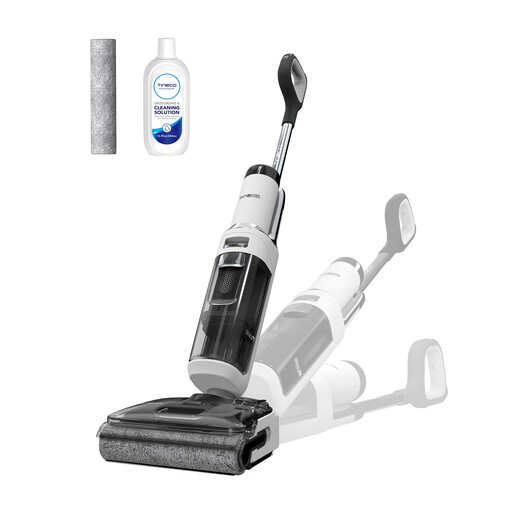
Why this product suits this profile: This cordless appliance combines a low-profile design with a stated 180-degree recline, making it suitable for cleaning underneath low furniture.
The stated 13-centimetre reclined height addresses a common limitation of many upright vacuum mops. The product description also specifies 40 minutes of operating time and a 5-minute FlashDry self-cleaning cycle.
Three-sided edge cleaning and a drying function in the station according to the product description; suitable for sealed hard floors, laminate and tiles.
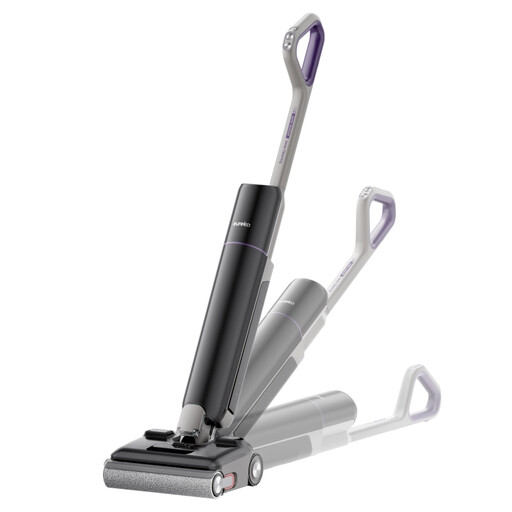
Why this product suits this profile: For larger homes, the operating time of up to 60 minutes stated in the product description may be particularly useful. The appliance is designed for hard floors.
The stated operating time reduces potential interruptions for recharging. According to the description, the Anti-Tangle technology is designed to reduce the amount of hair collecting on the brush roll.
Stated suction power of 24,000 Pa, 180-degree reclined design and three-sided edge cleaning according to the product data.
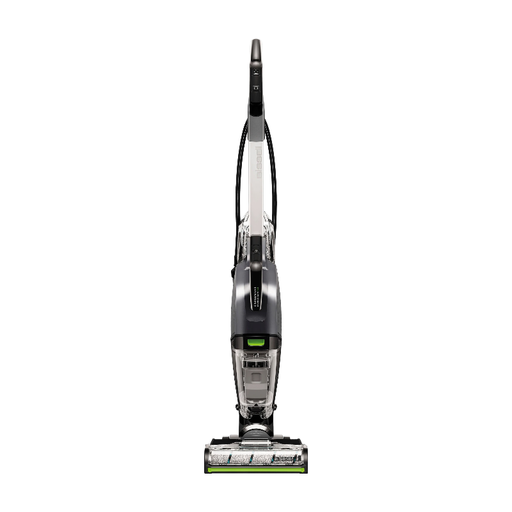
Why this product suits this profile: The product description highlights a design specifically aimed at pet hair, a self-cleaning brush head and a corded power supply.
The corded design avoids battery limitations. The two-tank system keeps fresh water separate from dirty water, while cleaning the brush head supports subsequent maintenance.
Combination of vacuuming, mopping and steam functions; 1,000-watt motor power according to the product information. Suitability and steam use should be adapted to the specific floor covering.
To keep a wet and dry vacuum cleaner hygienic and fully functional over the long term, the following routine is recommended:
We have put together a complete, regularly updated list of products that fully meet these strict selection criteria and the safety regulations applicable in the EU.
That depends on the sealant and the operating instructions for the particular model. Use only a small amount of water, mop slowly and do not leave moisture standing on the floor. A wet and dry vacuum cleaner may not be suitable for delicate or unsealed floors.
Operating time varies depending on the model and cleaning mode. Product specifications often refer to a particular mode. When deciding what to buy, you should also consider charging time, the size of the area and any reduction in performance when dealing with heavier dirt.
In addition to electricity consumption, you may incur costs for cleaning products, filters, brush rolls and batteries. Corded appliances do not suffer from battery wear, while cordless models prioritise mobility. The purchase price is therefore not the only important factor; the availability and price of replacement parts also matter.