
Lieferung heute & morgen

Qualitätsgarantie

Willkommens-Angebote freischalten: KOSTENLOSE Lieferung | Bis zu 80 % RABATT | Kostenlose 30-Tage-JoyPlus-Testphase
App herunterladen
The selection of wet cat food on the shelf can be overwhelming. Countless brands, varieties, and advertising claims make it difficult to keep track. Many cat owners wonder what really matters and how to find products that meet their cat's needs without falling for marketing hype.
This guide will help you understand the crucial criteria. We'll show you the pitfalls to watch out for when making your selection and which objective features you should look for to make an informed decision for your cat.
In the competition for cat owners' attention, many terms are used that promise more than they deliver. Here are two common marketing traps you should be aware of:
To objectively assess the quality of wet food for cats, you should focus on the facts on the label.
The type of declaration provides insight into the manufacturer's transparency.
An open declaration is generally a sign of higher product quality.
The analytical constituents provide information about the food's nutrient profile. The following values are relevant for a balanced diet:
A cat's needs vary depending on its life stage and health condition. Look specifically for products that address these needs, such as wet food for sterilised cats or grain-free wet cat food for intolerances. Packaging also plays a role: cat food pouches guarantee freshness with every meal, while larger cans or a bulk pack of cat food are practical and often more cost-effective for multi-cat households or for stocking up.
Based on objective criteria such as transparent declaration, balanced composition, and specific benefits, we have compiled a selection of products for different requirement profiles.
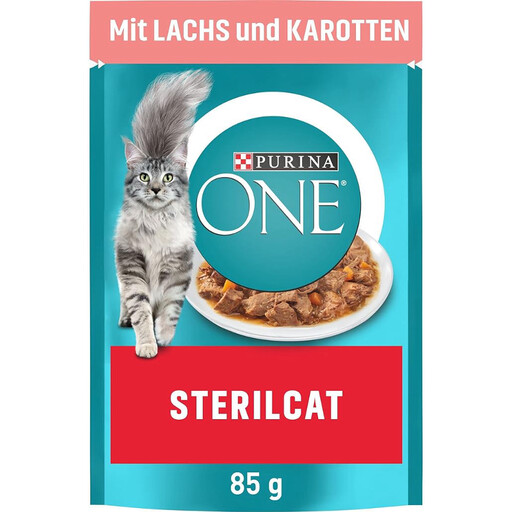
Why this food is a great fit: After neutering, a cat's metabolism changes. This food is specially tailored to the needs of sterilised cats to help maintain weight and promote urinary tract health.
Instead of vague "light" promises, this food offers a targeted formula that, according to the manufacturer Purina ONE, is designed to maintain a healthy metabolism and support the urinary tract after neutering.
The formula is designed to control mineral levels, which can help maintain urinary tract health. It contains antioxidants like Vitamin E to support the immune system.
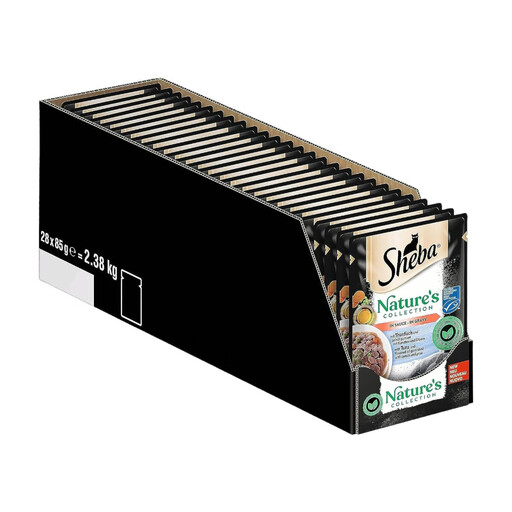
Why this food is a great fit: For owners who value traceable origins and natural ingredients. The formula is grain-free and uses fish from certified sustainable fisheries.
Instead of a generic "fish" content, this product uses MSC-certified tuna. The MSC seal is an external, verifiable proof of sustainable fishing, bypassing the trap of non-specific ingredients.
The grain-free formula is suitable for cats with sensitive digestion. According to the manufacturer Sheba, no artificial colours or preservatives are added.
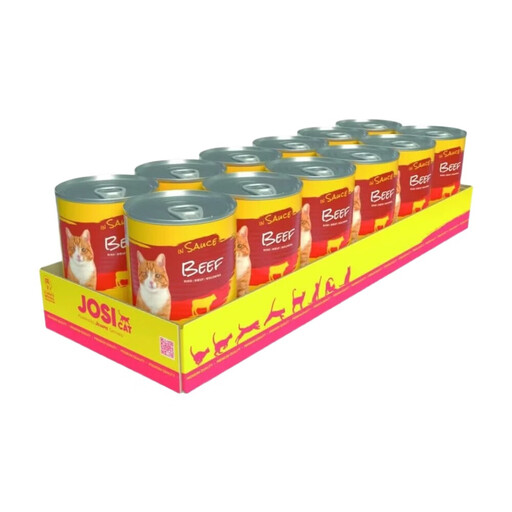
Why this food is a great fit: Ideal for owners of multiple cats or for anyone looking to build a practical stock. The large 415g cans offer great value for money and reduce packaging waste.
This product focuses on the essentials. It avoids "gourmet" names and clearly states that it is made without added soy, dairy products, or artificial colours and preservatives.
The bulk pack of cat food with 12 cans ensures long-lasting and straightforward feeding. The formula is enriched with Vitamin E to support cell protection and Vitamin D3 for bone development.
We have compiled a complete, up-to-date list of products that fully meet these strict selection criteria and UK regulations.
The required amount of food depends on several factors, including the cat's weight, age, activity level, and individual metabolic rate. The energy density of the food also plays a role. As a guideline, an average 4 kg cat needs about 200 to 250 grams of wet food per day, divided into at least two meals. Always observe the manufacturer's feeding guidelines on the packaging and adjust the amount as needed.
Cats are natural carnivores and have no nutritional requirement for grains. Grain-free wet cat food is therefore more closely aligned with their natural diet. It is a good choice for cats with a known grain intolerance or sensitive digestion. However, for most healthy cats, a small amount of grain in their food is not problematic. The decision depends on the individual cat's tolerance and the owner's preference.
Once a can or cat food pouch is opened, the food should be consumed promptly or stored correctly. Transfer any leftovers to an airtight container and store it in the refrigerator, where it will typically last for up to two days. Serve the food at room temperature, as most cats dislike cold food from the fridge. To do this, take it out about 15-20 minutes before feeding.