
Lieferung heute & morgen

Qualitätsgarantie

Willkommens-Angebote freischalten: KOSTENLOSE Lieferung | Bis zu 80 % RABATT | Kostenlose 30-Tage-JoyPlus-Testphase
App herunterladen
As a Joybuy Product Recommendation Officer, I see countless cat owners standing in front of the wet cat food aisle every day, feeling overwhelmed by the sheer number of options. Vague marketing promises and unclear labels don't make the decision any easier. The goal of this guide is to provide you with objective criteria so you can make an informed choice for your cat.
Before we dive into the selection criteria, let's look at two common marketing traps that often lead to poor purchasing decisions.
To find the right food, focus on these three objective features that you can check directly on the packaging.
The ingredients list is your most important guide. An open declaration is always preferable. It lists exactly which types of meat and by-products are included and in what quantities (e.g., "70% chicken, consisting of hearts, meat, liver, gizzards"). A closed declaration simply groups these under "meat and animal derivatives." Ensure that meat is the first item on the ingredients list. Another essential additive is Taurine, a vital amino acid for cats that their bodies cannot produce in sufficient amounts.
A cat's preferences are individual, but the food's texture plays a major role in its palatability.
The packaging affects freshness, handling, and the price per kilogram.
Here are a few product recommendations tailored to the different needs of cat owners.
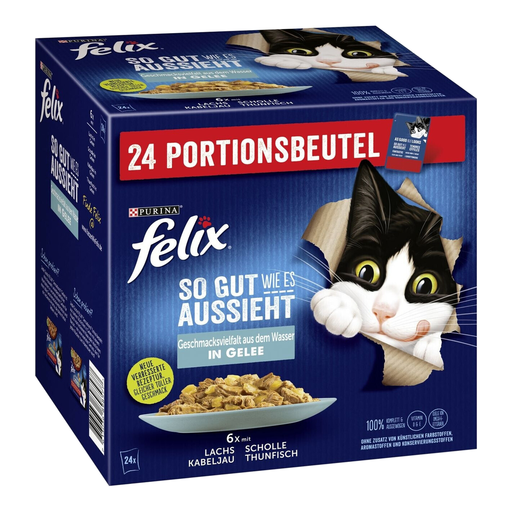
Why it's a great fit: Ideal for owners looking for a reliable and cost-effective feeding solution. The wet cat food multipack offers four different flavours, ensuring variety and preventing boredom with daily feeding. The Felix wet food brand is well-known for its high palatability.
This product offers a clear portion size in a cat food pouch, which helps prevent overfeeding and makes cost control easy without compromising on variety.
Bulk pack of 24 pouches provides a good stock. Four fish varieties in jelly ensure variety. Contains Omega-6 fatty acids and vitamins.
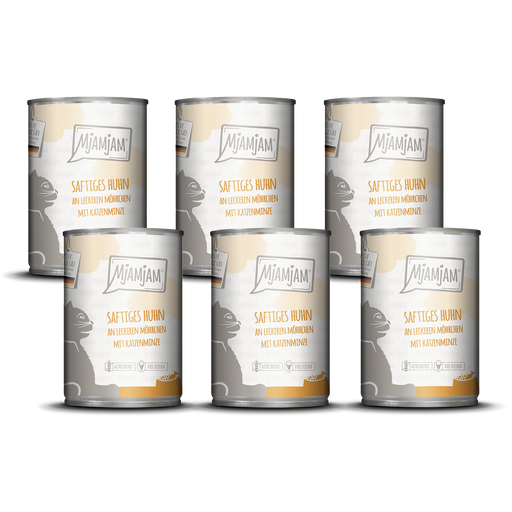
Why it's a great fit: For cat owners who value a transparent and high-quality composition. This food offers a very high meat content and consistently avoids grains and added sugar.
It bypasses the "4% trap" with an open declaration showing a 72.5% meat content (chicken meat, liver, hearts). It is a true grain-free wet cat food with no hidden fillers.
Very high, clearly declared meat content. Grain-free and sugar-free recipe. Contains all necessary vitamins and minerals, including 1500 mg/kg of taurine.
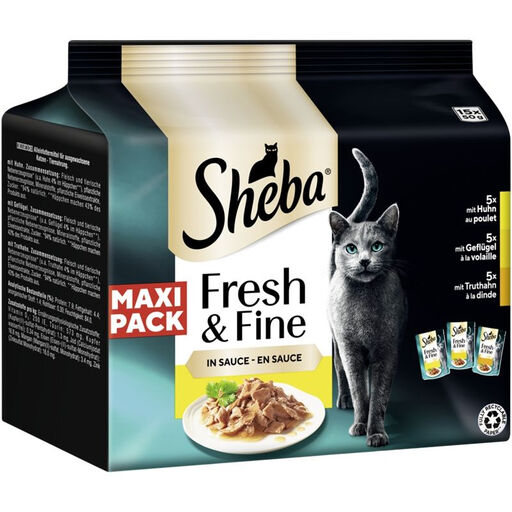
Why it's a great fit: Picky cats often prefer smaller, fresher meals. The 50g portions from Sheba cat food are ideal for ensuring every meal is served fresh, with no leftovers to dry out. The fine pieces in gravy are especially appealing to discerning palates.
It solves the problem of food waste with fussy eaters. Instead of opening a large can that the cat might not finish, the small portions offer a consistently fresh and appealing meal.
Small 50g portions for maximum freshness. High palatability thanks to fine pieces in cat food in gravy. Free from artificial colours or preservatives.
We have compiled a complete, up-to-date list of products that fully meet these strict selection criteria.
The required amount depends on the cat's weight, age, activity level, and individual metabolism. An average, active adult cat (approx. 4 kg) needs about 200 to 300 grams of wet cat food per day, divided into at least two meals. Always refer to the manufacturer's feeding guidelines on the packaging as a starting point and adjust the amount as needed to maintain a healthy body weight.
Yes, mixed feeding is a common practice. It combines the benefits of both food types: wet food ensures good hydration, while dry food can support dental care and is convenient to leave out during the day. It's important to monitor the total calorie intake to avoid overfeeding.
Opened wet food should be immediately transferred to a sealed container or covered securely and stored in the refrigerator. It will typically last for up to two days. Serve the food at room temperature, as most cats dislike cold food straight from the fridge.