
Lieferung heute & morgen

Qualitätsgarantie

Willkommens-Angebote freischalten: KOSTENLOSE Lieferung | Bis zu 80 % RABATT | Kostenlose 30-Tage-JoyPlus-Testphase
App herunterladen
As a cat owner, you face a huge selection of wet foods. Multipacks are particularly practical and often cost-effective. However, the sheer variety of brands, flavours, and advertising claims can be overwhelming. Vague ingredient lists or exaggerated marketing terms often lead to a purchase that meets neither the cat's needs nor your own standards for quality. This guide will help you identify the crucial features and make an informed choice.
The packaging often makes big promises, but a closer look is essential. Watch out for these three common pitfalls to avoid making the wrong purchase:
To objectively assess the quality of a wet food, you should focus on verifiable facts. The following three points are crucial for your selection.
The ingredient list is the heart of the product information. An open declaration lists all ingredients individually and with their percentages (e.g., "70% chicken, consisting of 50% chicken hearts, 20% chicken liver"). This creates transparency. A closed declaration groups ingredients under collective terms (e.g., "meat and animal by-products"), which obscures the exact composition. For cats with allergies or intolerances, a grain-free cat food is often the better choice, as grains are common triggers for digestive problems.
Cats get a large portion of their fluid intake from their food. Wet cat food with a high moisture content (typically around 80%) supports their hydration and can help prevent urinary tract diseases. The consistency—whether tender chunks in cat food in gravy, in jelly, or as a fine p?té—is ultimately a matter of your cat's preference. A multipack with different textures can help you discover your pet's favourite.
A cat's nutritional requirements change throughout its life. Wet kitten food is specifically formulated for the needs of growing young animals. It generally contains more protein and fat, as well as an adjusted calcium-phosphorus ratio for bone development. Adult or senior cats, in turn, have different needs that are met by adult or senior formulas.
Here are some product recommendations tailored to different profiles of cats and their owners.
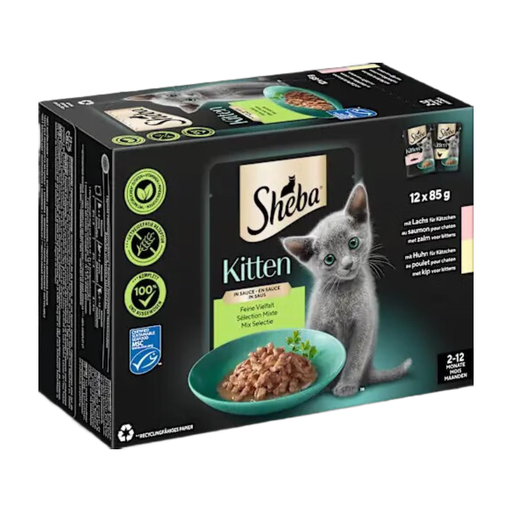
Why This Fits Their Persona: Ideal for kitten owners looking for a specially formulated food to support healthy growth. The small, tender pieces in sauce are easy to eat and digest.
This food is explicitly declared as wet kitten food and is tailored to the nutritional needs of young cats. It is grain-free and contains no artificial preservatives, thus avoiding the pitfalls of unsuitable fillers and additives.
According to the manufacturer, the recipe supports healthy growth. The mix of poultry and fish varieties provides welcome variety.
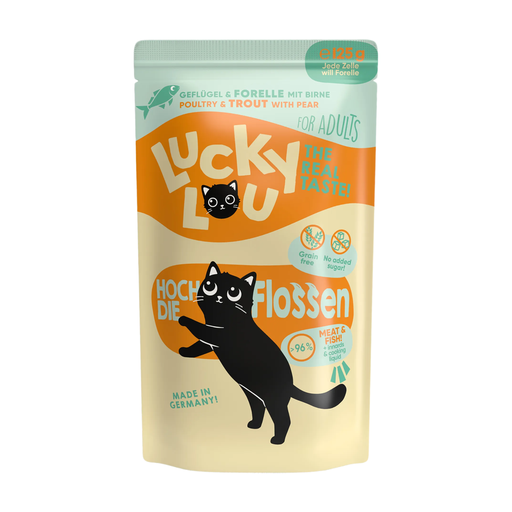
Why This Fits Their Persona: Perfect for owners who value a transparent and species-appropriate composition, especially for cats with dietary sensitivities.
This food avoids the vague declaration trap with a stated content of over 94% meat/fish, offal, and cooking broth. It is grain-free, gluten-free, and has no added sugar, making it a great choice for sensitive animals.
High protein content (10.4%) to support muscle mass and an open declaration that builds trust. Made in Germany.
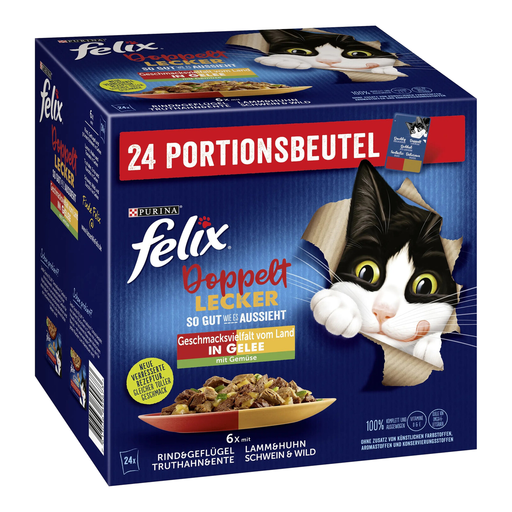
Why This Fits Their Persona: A practical and economical solution for daily feeding. This bulk pack of cat food offers variety and is well-accepted by many cats.
This product doesn't position itself with exaggerated "gourmet" claims but as a solid everyday food. It provides a balanced, complete meal without artificial preservatives or flavourings at an accessible price point.
Offers four different flavours in one package for more variety. Enriched with Vitamins D & E as well as Omega-6 fatty acids.
We've compiled a complete, up-to-date list of products that fully meet these strict selection criteria and UK regulations.
Opened pouches or trays of wet food should be stored in the refrigerator immediately. Cover the leftovers well to protect them from drying out and absorbing other odours. As a rule, the food should be consumed within two days. Serve it at room temperature, as most cats dislike cold food.
An abrupt change in food can lead to digestive problems. Over a period of seven to ten days, gradually mix an increasing amount of the new food with the familiar food. Start with a ratio of 25% new to 75% old, and increase the proportion of the new food every few days until the transition is complete.
Cats cannot taste sweetness and do not require sugar in their diet. Small amounts added for colouring (e.g., as caramel) are generally not immediately harmful but offer no health benefits. A food without added sugar is always preferable, as sugar can contribute to obesity and dental problems in the long term.