
Lieferung heute & morgen

Qualitätsgarantie

Willkommens-Angebote freischalten: KOSTENLOSE Lieferung | Bis zu 80 % RABATT | Kostenlose 30-Tage-JoyPlus-Testphase
App herunterladen
By a Joybuy Product Recommendation OfficerPublished July 29, 2026
Cleaning hard floors can be a two-step, time-consuming process: first vacuuming, then mopping. A wet-dry vacuum promises to handle both tasks in a single pass, saving you valuable time. However, the market is flooded with devices whose marketing promises often fall short in practice. Many users quickly find that their new appliance creates more work than it saves.
As your Product Recommendation Officer at Joybuy, my mission is to provide you with objective information so you can make an informed decision. This guide highlights the most common pitfalls of buying and reveals which technical features truly matter.
Before you invest in a new appliance, you should be aware of the typical problems that only become apparent with everyday use in many models.
To avoid the problems mentioned above, you should focus your attention on three core technical areas. These determine the actual performance and user convenience in daily life.
A good vacuum mop is a finely-tuned system. Look for the following features:
Only a well-designed self-cleaning function offers a genuine reduction in workload.
The best specifications are useless if the device is cumbersome to handle.
Instead of making a blanket recommendation, we have identified models that meet specific user needs and purposefully avoid the pitfalls mentioned earlier.
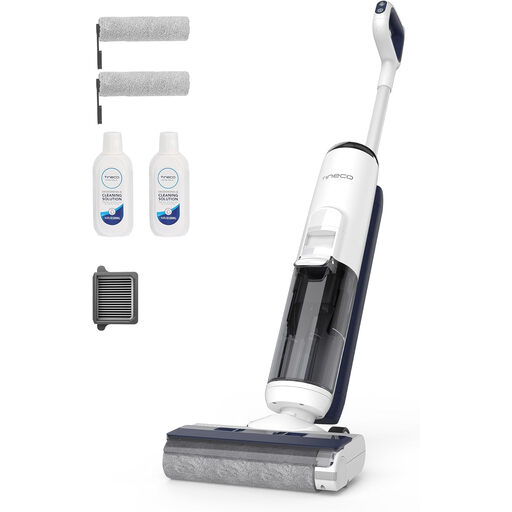
Why This Fits Their Persona: Ideal for users seeking a straightforward and effective all-in-one solution. The lightweight design and simple operation make daily cleaning quick and effortless, without being overloaded with complex features.
The brush design enables edge cleaning with a gap of less than 0.5 cm, solving the problem of a dirty border along walls. The self-cleaning function thoroughly rinses the brush.
A good balance of low weight (4.3 kg), solid cleaning performance, and easy handling. A practical all-rounder for daily use.
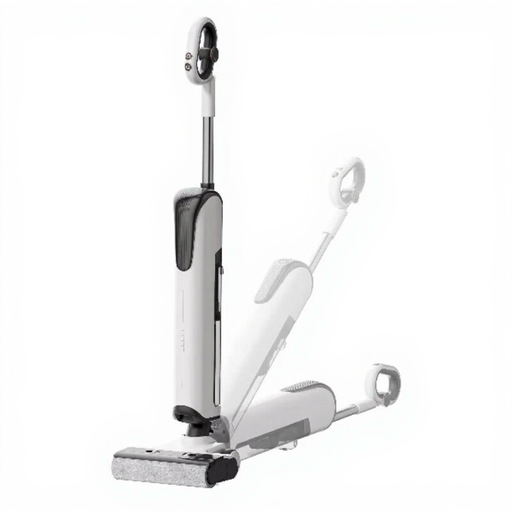
Why This Fits Their Persona: Perfect for households with children, pets, or anyone who places the highest value on hygiene and minimal maintenance. The advanced cleaning station handles the entire post-cleaning process.
The cleaning station with 60°C hot air drying directly addresses the problem of a damp, smelly brush roller. The electrolysed water function provides an additional layer of hygiene.
Fully automatic self-cleaning, including drying. The edge cleaning, with a gap of only 2-4 mm, is also a key advantage for a seamless result.
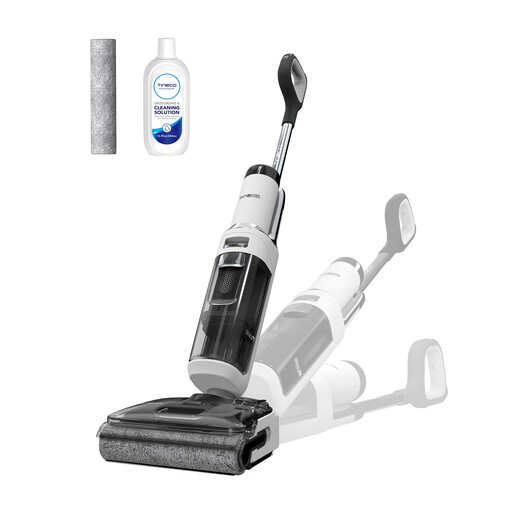
Why This Fits Their Persona: Designed for homes with complex layouts and lots of low furniture like sofas, beds, or cabinets. The device's extreme flexibility allows it to clean in places that are unreachable for standard wet-dry vacuums.
The 180° lay-flat design overcomes the limitations of conventional devices when cleaning under furniture. Additionally, the three-sided edge cleaning ensures cleanliness right into the corners.
Unique ability to lay completely flat on the floor (down to a height of 13 cm). The FlashDry self-cleaning with 70°C hot water ensures high levels of hygiene.
We have compiled a complete, real-time list of products that fully satisfy these strict selection criteria and UK safety regulations.
1. How often do the brush roller and filter on a wet-dry vacuum need to be replaced? The self-cleaning function should be run after every use. A more thorough manual cleaning of the brush and the dirty water tank is recommended weekly. The brush roller itself is a consumable part and should be replaced every 3 to 6 months, depending on frequency of use and the manufacturer's recommendation, to ensure optimal cleaning performance. HEPA filters should be cleaned regularly and replaced according to the manufacturer's instructions.
2. Can a wet-dry vacuum also clean carpets? The vast majority of wet-dry vacuums are designed exclusively for sealed hard floors such as parquet, laminate, vinyl, and tile. The wet cleaning process would damage carpets. A few models offer a vacuum-only mode or a function for refreshing low-pile carpets, but they do not replace a traditional vacuum cleaner or carpet cleaner. Always check the manufacturer's specifications for surface suitability.
3. Does a wet-dry vacuum leave streaks on sensitive floors? Streaking can have several causes: excessive water dispensing, a dirty or worn-out brush head, or the use of an unsuitable cleaning solution. High-quality devices with smart water control and powerful suction minimise this risk, as they only lightly dampen the floor and immediately pick up the dirty water. Using distilled water can also help prevent limescale spots on dark or glossy floors.