
Lieferung heute & morgen

Qualitätsgarantie

Willkommens-Angebote freischalten: KOSTENLOSE Lieferung | Bis zu 80 % RABATT | Kostenlose 30-Tage-JoyPlus-Testphase
App herunterladen
A wet and dry vacuum cleaner can pick up dry dirt, spilled liquids and, depending on the design, even stubborn stains. However, not all devices are suitable for the same tasks. A compact mop vacuum for the kitchen works differently from a large workshop vacuum with a 20-litre tank or a carpet and upholstery washer.
Figures like pascals, air watts or motor power describe different technical characteristics. A high number alone tells you little about how well a device works on edges, carpets or with liquids. What really matters are the floor nozzle, the brush construction, the filtration and the ability to switch correctly between dry and wet operation.
A wet vacuum cleaner for the garage or workshop needs different features from a cordless mop vacuum for daily hard floor cleaning. So before you buy, you should be clear about the main area of use.
A self-cleaning mop vacuum can automatically rinse the roller after use. However, you still need to empty, clean and dry the dirty water tank, filter and seals regularly. Otherwise, odours can develop or the air and water flow can be affected.
Also check whether the station only rinses or also dries with warm air. These functions are not the same on every device.
A small fresh water tank can be enough for a kitchen or a small flat. For larger areas, several children or pets, separate tanks for clean and dirty water are more practical. For workshop and car cleaners, on the other hand, a large collection container is more important than an integrated mopping function.
A wet vacuum cleaner for hard floors is typically designed for sealed wood, tiles, vinyl or laminate. Check the instruction manual to see which surfaces are explicitly approved. Some mop vacuums can also freshen up low-pile carpets or runners, but they don't automatically replace a specialised carpet cleaner.
For carpets, upholstery and car seats, devices with spray and extraction functions are more suitable. They dispense water or cleaning solution and then suck up the dirty liquid. For dry dust, pet hair and crumbs, a classic dry vacuum cleaner with a motorised brush is often sufficient.
A two-tank system keeps fresh and dirty water separate. Pay attention to:
For large areas, 650 to 900 millilitres of fresh water can be more practical than a very compact tank. Workshop vacuums with 20 or 30 litres are better suited for coarse dirt, renovation work or spilled liquids.
A cordless wet vacuum cleaner offers freedom of movement, but needs to be charged after use. Always compare the runtime with the selected mode: a maximum runtime in Eco mode can be significantly shorter in Turbo mode. According to the product specifications, the Dyson Cyclone V10 offers up to 60 minutes in Eco mode and up to 5 minutes in Max mode.
Corded devices provide a constant power supply during operation. They are interesting for large rooms, garages or workshops, but need a socket and a longer cable. Also important are dryable filters, easily accessible brushes and a clear separation between wet and dry operation.
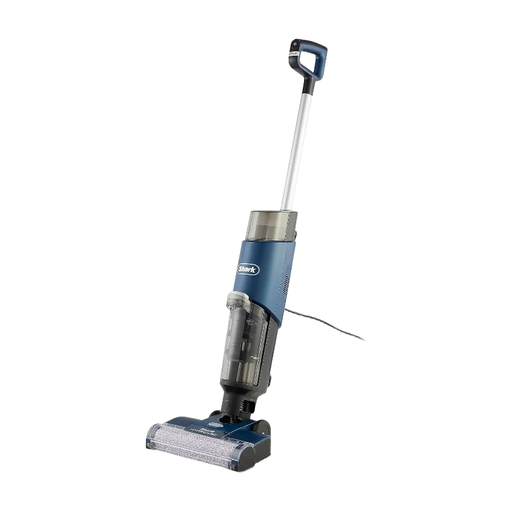
Why this product suits the profile: This corded 3-in-1 device vacuums and mops hard floors as well as selected carpets. The 25-foot cable offers a larger working radius without battery breaks.
The automatic self-cleaning reduces manual effort on the brush roller. The dirty water tank can be emptied separately.
Corded operation, 500-millilitre tank and functions for vacuuming, washing and cleaning in one pass.
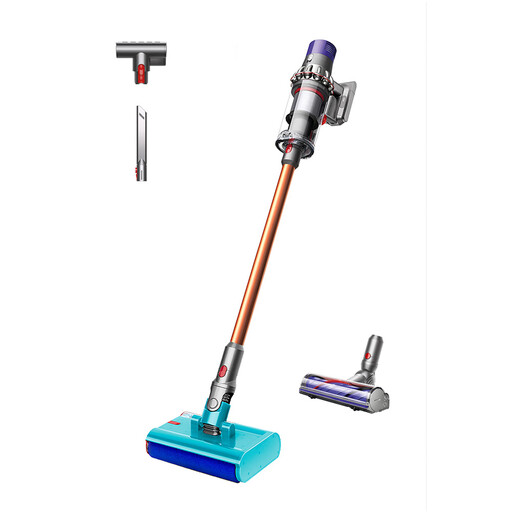
Why this product suits the profile: This cordless wet and dry vacuum cleaner combines cleaning sealed hard floors with a separate motorbar floor nozzle for carpets and dry dirt.
Wet cleaning is carried out with a motorised microfiber mopping head and separate water guidance. Different attachments are available for dry and wet work.
According to product specifications, 3.3 kilograms net weight, 0.76 litre container volume and up to 150 air watts in maximum mode.
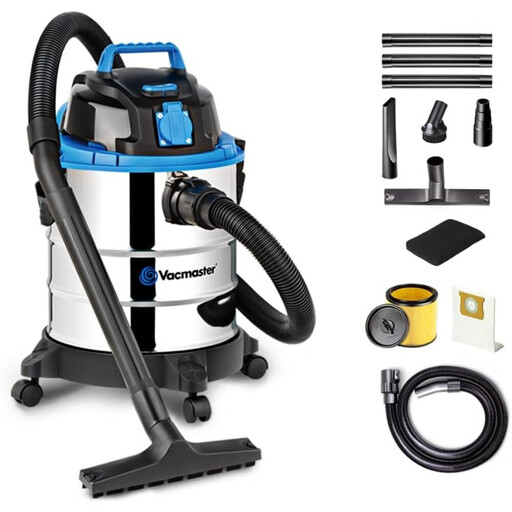
Why this product suits the profile: For the garage, workshop, car and larger cleaning jobs, this wet/dry vacuum cleaner offers a large container and an additional blower function.
The 20-litre capacity reduces frequent emptying. Suitable filters are provided for wet and dry operation and must be used according to the instructions.
1250-watt motor, 18 kPa stated suction power, stainless steel container, wash function and blower operation.
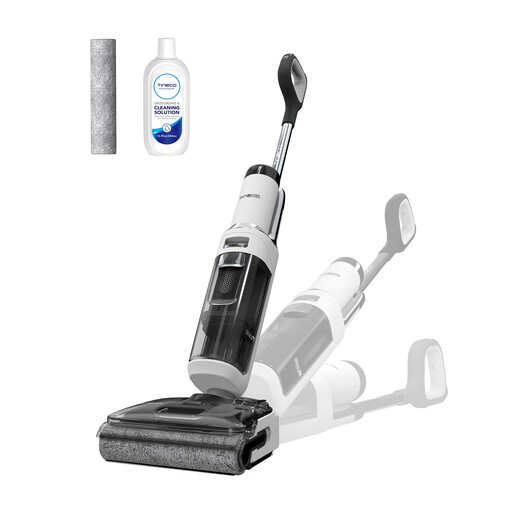
Why this product suits the profile: This cordless device is designed for hard floors and, according to the product description, can be tilted flat up to 180 degrees to reach under low furniture.
The intended use for hard floors is clearly stated. A self-cleaning and drying station, as well as a replacement roller and cleaning tool, are included in the scope of delivery.
40 minutes stated runtime, 4.5 kilograms weight and a flat design with 13 centimetres lying height.
We have put together a complete, regularly updated list of products that fully meet these strict selection criteria and the safety regulations applicable in the EU.
After every wet cleaning, you should empty the dirty water tank, rinse it out and let it dry completely. Only use the cleaning agents recommended by the manufacturer. Unsuitable additives such as aggressive chemicals, oils or bleach can damage seals and hoses.
Liquids containing flammable components, hot ash, sharp-edged objects and hazardous substances do not belong in a household wet vacuum cleaner. For battery-powered devices, charging time, replacement batteries and the availability of filters and brushes also count towards long-term costs.
That depends on the model. Many combination devices switch between dry and wet mode or use different filters for each. A workshop vacuum often needs a foam filter for liquids and a cartridge filter or dust bag for dry dirt. The instruction manual specifies which setup is permitted.
The lifespan depends on usage, filter care, brush wear and correct storage. Regularly emptying the dirty water tank, completely drying the components and using suitable replacement parts can maintain function over a longer period. Without specific manufacturer information, it is not possible to give a reliable general lifespan.
Consumption depends on power, cleaning mode, area and water dosage. Corded devices need mains power continuously during use, while cordless mop vacuums also need charging energy. An adjustable water output and separate tanks help to adapt use to hard floors, the level of soiling and room size.