
Lieferung heute & morgen

Qualitätsgarantie

Willkommens-Angebote freischalten: KOSTENLOSE Lieferung | Bis zu 80 % RABATT | Kostenlose 30-Tage-JoyPlus-Testphase
App herunterladen
A wet and dry vacuum cleaner can pick up dry dust, spilled liquids and stuck-on dirt in one go. Depending on the design, it may also be called a mop vacuum, vacuum mop, hard floor cleaner or wet vacuum with mopping function. For British households with tiles, laminate, parquet or vinyl, however, not every model is suitable for every task.
What really matters isn’t just high suction power figures or lots of automatic features. Water tanks, brush maintenance, battery life, floor clearance and suitability for delicate surfaces have a much bigger impact on day-to-day usefulness.
Specs like 23 kPa or 18,500 Pa describe the suction power or negative pressure under certain conditions. On their own, they tell you very little about how clean edges, grout lines or dried-on spots will be. Brush shape, water flow and automatic adjustment to dirt levels also play a part.
A cordless mop vacuum with more modest technical specs can be more practical for everyday kitchen floors than a machine that stands out mainly because of a high number on the data sheet.
A self-cleaning station rinses the brush roll and – depending on the model – can also dry it. However, the dirty water tank, filter, seals and brushes still need to be checked and cleaned. If these parts stay damp or dirty, odours can develop.
With stations that offer hot water mop washing, you should also check what temperature is actually stated and whether the brush is dried afterwards.
Many machines are designed for sealed hard floors such as tiles, vinyl, laminate or treated wood. Unsealed parquet, carpets, very rough surfaces and delicate coatings may have different requirements. The manufacturer’s care instructions should always take priority.
Even a robot vacuum with a mopping function needs clear pathways, suitable cleaning zones and occasional manual cleaning in hard-to-reach areas.
The tank size affects how long you can clean without interruption. A model with a 3-litre water tank is better suited to larger areas or longer cleaning sessions. Smaller tanks can be enough for flats with only a few hard floor areas, and also reduce weight and storage space.
A clear separation between fresh and dirty water is important. The dirty water tank should be easy to remove and rinse out completely.
The stated runtime often applies to a specific cleaning mode. High power, hot water functions and strong brush movement can reduce the actual usage time. For a small flat, 30 to 40 minutes may be enough; for larger areas, you should factor in the charging time.
A cordless floor cleaner gives you freedom of movement. However, the battery must be built in or charged according to the manufacturer’s instructions. Damaged lithium-ion batteries must not be opened, crushed or exposed to excessive heat.
A low-profile design matters if you need to clean under sofas, beds or cupboards. Some models allow the main body to be laid flat. Edge cleaning should ideally be specified on both sides, or at least with a small gap from the wall.
If you often clean stairs, grout lines or vertical surfaces, you may also need an electric cleaning scrubber. This doesn’t replace a wet and dry vacuum, but complements it in the bathroom, kitchen and hard-to-reach areas.
The following recommendations place specific products into context based on usage scenarios and verifiable product data. Figures such as runtime, temperature and tank volume come from the respective product information.
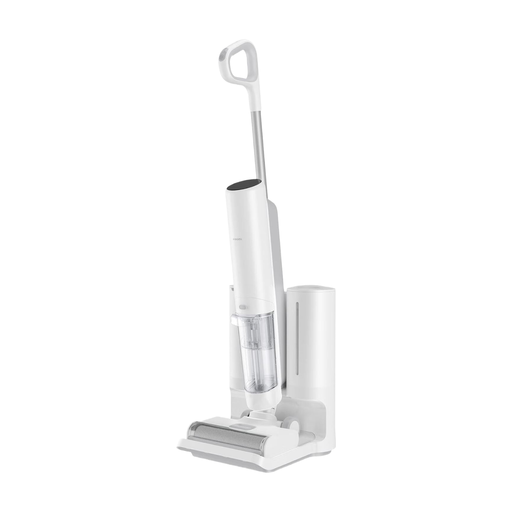
Why this product fits the profile: This machine combines vacuuming and mopping, shows operating data on a 3.2-inch LED display and offers up to 35 minutes of battery life for typical flat-sized areas.
The 3-litre capacity reduces frequent tank stops. The station supports cleaning and drying; maintenance of the filter and tanks is still required.
Up to 75 °C in high-temperature mode, 55 °C drying according to the product information, and cordless use.
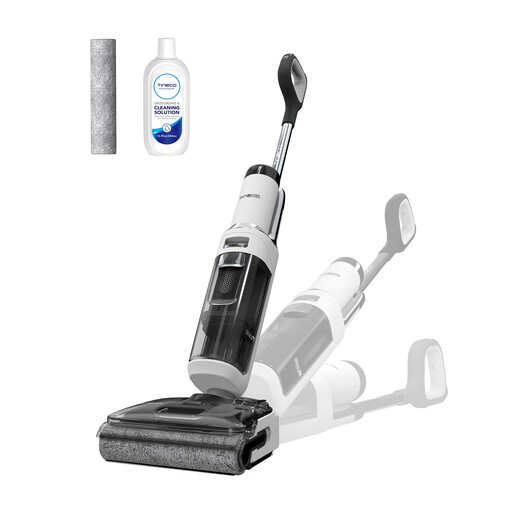
Why this product fits the profile: The flat 180-degree design with a stated lying height of 13 cm is aimed at cleaning under low furniture.
The design addresses the common limitation of tall cleaning heads. Suitability remains limited to appropriate, smooth hard floors.
Triple edge cleaning according to the product description, 70 °C function and a stated runtime of up to 40 minutes.
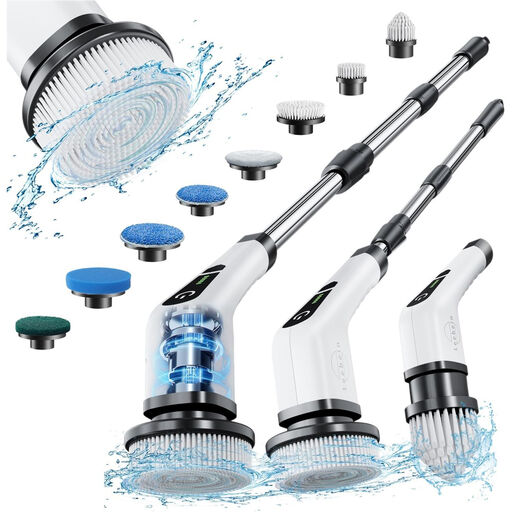
Why this product fits the profile: This electric cleaning scrubber is designed for grout lines, tiles, the bathroom, kitchen and other targeted scrubbing tasks.
With seven or more interchangeable brush heads, the attachment can be adapted to different tasks, rather than overworking a single brush.
Up to 90 minutes of runtime, extendable handle up to 137 cm and an IPX7 rating for rinsing after use.
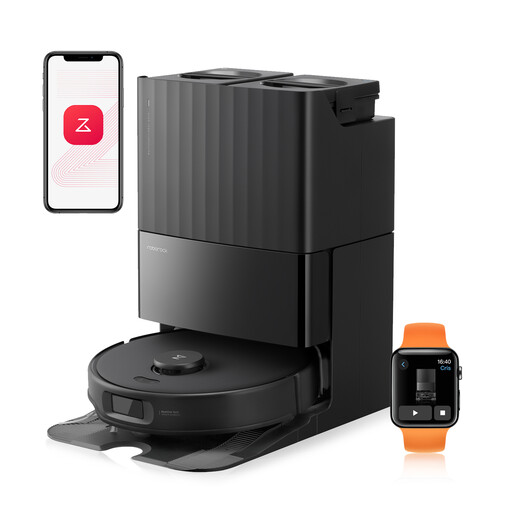
Why this product fits the profile: This robot vacuum with mopping function handles routine floor care via app control, smart mapping and automatic mop washing.
The station handles mop washing and dust collection. Cables, small objects and narrow passages still need to be considered before operation.
Stated 18,500 Pa, FlexiArm edge cleaning and 75 °C warm mop washing according to the product data.
A wet and dry vacuum is guided actively and is ideal when you need to clean up spilled liquids, sticky spots or individual rooms. A mop robot works independently on a schedule, but needs a prepared environment and regular station maintenance.
For households with pets or children, a combination can make sense: the robot handles the regular basic cleaning, while a mop vacuum or floor cleaner is on hand for unexpected messes. An additional electric scrubber is particularly useful for grout lines, showers and stairs.
We’ve put together a complete, regularly updated list of products that fully meet these strict selection criteria and the safety regulations in force in the EU.
First, charge the battery, fill the fresh water tank and check that the brush roll and filter are fitted correctly. Remove any large objects before mopping. After each use, the dirty water tank, brush and filter should be part of your basic care routine; clean them according to the instructions and dry them thoroughly.
The runtime depends on the mode, the floor area and the level of soiling. Product claims of around 30 to 40 minutes are sufficient for many individual cleaning sessions. For larger homes, you should consider the charging time or an additional battery – if one is available from the manufacturer.
Ongoing costs include electricity, water, cleaning solution and, if necessary, replacement parts such as brush rolls or filters. Stations with hot water and drying functions use more energy than simple charging stations. So before you buy, it’s worth checking the recommended consumables and maintenance intervals.