
Lieferung heute & morgen

Qualitätsgarantie

Willkommens-Angebote freischalten: KOSTENLOSE Lieferung | Bis zu 80 % RABATT | Kostenlose 30-Tage-JoyPlus-Testphase
App herunterladen
A spilled glass of juice on the carpet, muddy paw prints in the hallway, and everyday dust on hard floors—the idea of tackling all this mess with a single device is tempting. A wet vacuum cleaner promises just that: an all-in-one solution for a hygienically clean home. In practice, however, the wrong choice often leads to frustration over poor cleaning performance, complicated maintenance, or a rapidly degrading battery.
Before you make a purchase, it's crucial to understand the common pitfalls often hidden behind shiny marketing promises.
This guide will help you navigate these issues and find a device that truly fits your needs.
To make an informed decision, you should focus on the technical features that directly impact daily use and cleaning quality.
A fundamental quality feature for any wet-dry vacuum or carpet cleaner is a consistently separate dual-tank system. This ensures you are always cleaning with fresh water, while the vacuumed dirty water is collected in a separate container. Pay attention to the tank capacity:
An easily removable and simple-to-clean dirty water tank is essential for the long-term hygiene of the device.
The effectiveness of a wet vacuum cleaner largely depends on its brush roller. A simple roller may clean open areas, but it often fails at edges and in corners. Models with an edge-to-edge brush design can pick up dirt right along baseboards and furniture edges. For households with pets or for deep cleaning carpets, a brush combining firm bristles with soft fibres is a great choice for loosening hair and embedded dirt.
The choice between a cordless model and a corded device depends on your primary use case.
Here are some recommendations tailored to specific needs and household types.
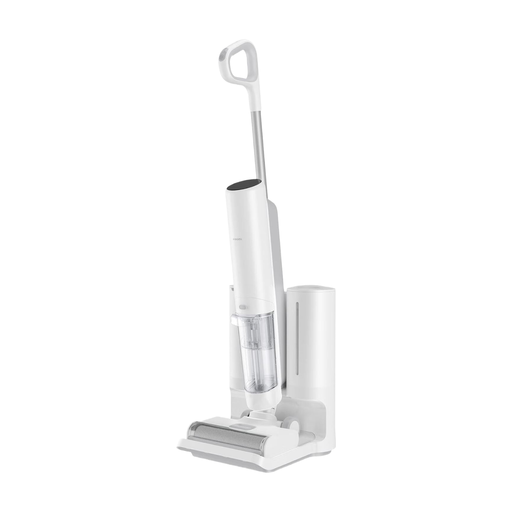
Why this model fits: Ideal for modern households that value maximum automation and hygiene. The combination of vacuuming, mopping, and a fully automatic cleaning and drying station significantly minimises manual effort.
The all-in-one station with 55°C hot air drying directly addresses the weakness of poor self-cleaning. It actively prevents the formation of odours and mould in the brush roller.
High-temperature mode that heats water to 75°C to dissolve stubborn stains. Intelligent dirt detection automatically adjusts cleaning power.

Why this model fits: A compact and corded specialist device designed as a targeted stain remover for carpets, sofas, and car seats. Its strength lies in portable, powerful deep cleaning of textiles.
This device doesn't try to be a jack-of-all-trades. As a dedicated upholstery cleaner, it focuses on one job and does it well with a powerful motor and a practical design, rather than compromising on floor cleaning.
Integrated 1.8-metre hose for excellent reach in corners or in the car. The dual-tank system ensures hygienic cleaning even in this compact format.
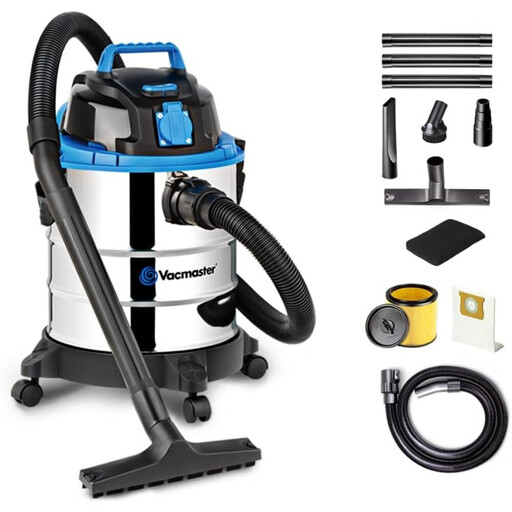
Why this model fits: A robust workhorse for users who need high capacity and versatile functions for demanding tasks—from carpet washing and vacuuming up liquids in the basement to workshop cleaning.
This model avoids the trap of exaggerated promises by focusing on fundamental yet powerful features. Instead of smart electronics, it relies on a strong 1250-watt motor and a large 20-litre container.
Large 20-litre stainless steel container for long jobs without emptying. The additional blower function makes the device even more versatile, e.g., for clearing leaves.
We have compiled a complete, up-to-date list of products that fully meet these strict selection criteria and safety standards.
For homes with predominantly hard floors, a modern wet-dry vacuum can often replace a classic vacuum cleaner, as it vacuums and mops in one step. In households with a lot of carpet or a high volume of dry debris (e.g., pet hair), a powerful dry vacuum may remain a useful supplement, as wet vacuums are primarily optimised for wet and combination cleaning.
Maintenance intervals vary depending on the model and frequency of use. As a general rule:
Streaking can have several causes: excessive water dispensing, a dirty brush head, or cleaning solution residue. To avoid this, select a low water setting on a hard floor cleaner for sensitive floors like sealed parquet or laminate. A functional self-cleaning feature and regular manual cleaning of the brush are also crucial for a streak-free result.