
Lieferung heute & morgen

Qualitätsgarantie

Willkommens-Angebote freischalten: KOSTENLOSE Lieferung | Bis zu 80 % RABATT | Kostenlose 30-Tage-JoyPlus-Testphase
App herunterladen
Wet wipes are practical, but not every product is suitable for every use. Wet surface-cleaning wipes should never be used on the skin, disinfectant wipes are not baby wipes, and moist toilet tissue should only be disposed of according to the instructions on the packaging. If you only look at the number of sheets or a low price per item, you can easily end up buying something that does not meet your actual needs.
Three pitfalls are particularly common:
A bulk pack of wet wipes is not automatically more economical either. If they are used infrequently, the wipes may dry out before the pack is finished. For families or frequent users, keeping a supply can make sense, provided the packaging can be reliably resealed.
First, establish what the wipes are intended for:
For wet household wipes, you can find products for kitchen worktops, bathrooms, plastic, tiles or stainless steel, for example. Testing material compatibility on an inconspicuous area remains advisable.
The following verifiable information on the packaging and product page can help you choose:
The number of sheets should match your usage. Small packs are suitable for handbags, cars or travel. Several individual packs may be more practical in a family household than one large container, as fewer wipes are open at the same time.
A resealable tab or a secure lid helps retain moisture. The pack should be closed immediately after each wipe is removed. With moist toilet tissue, you should also check whether, and in what quantity, the product may be flushed according to the packaging. Wipes for skin, household cleaning and disinfection should generally go in general waste unless the product information states otherwise. Wipes that are not flushable must not be put down the toilet.
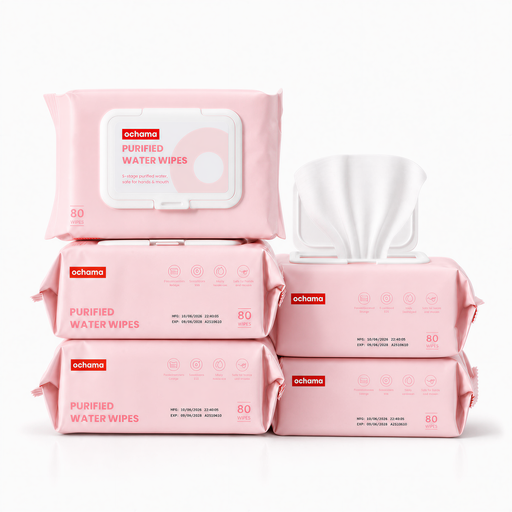
Why this product suits this profile: Five packs containing 80 wipes each are suitable for regularly cleaning hands, face and body at home.
The alcohol-free formula is described as EDI-pure water with unspecified cleaning components. The pack size is more manageable than a supply containing 1,600 wipes.
400 wipes, an alcohol-free formula and resealable packaging. Do not use in the toilet.
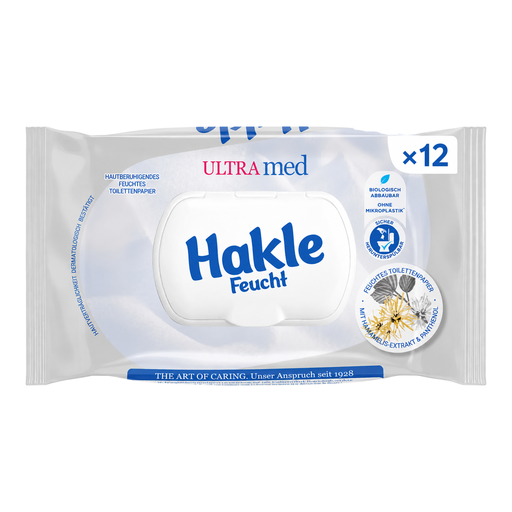
Why this product suits this profile: This fragrance-free moist toilet tissue is designed to complement dry toilet paper for everyday use and when out and about.
The product description states that it is biodegradable and water-soluble. Even so, the instructions on the maximum amount that may be flushed must be followed.
42 wipes per pack, fragrance-free, with panthenol and witch hazel extract according to the product information.
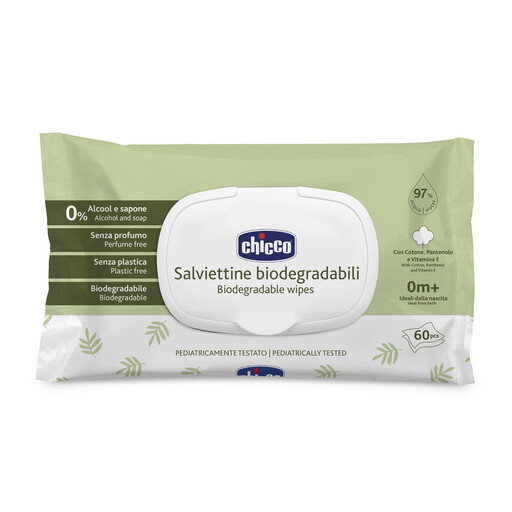
Why this product suits this profile: According to the product information, these wipes are suitable from birth and are intended for nappy changes, as well as hands and face.
The material information states that the wipes are made from 100% biodegradable natural fibres and have an alcohol-free, soap-free formula. The wipes must not be put down the toilet.
720 wipes in 12 packs, plus panthenol, vitamin E and cotton extract according to the manufacturer’s information.
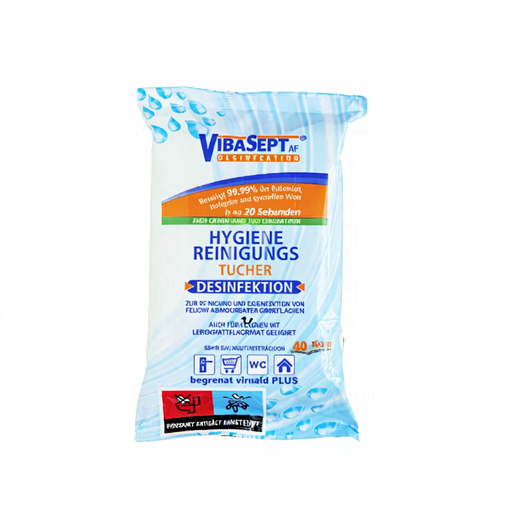
Why this product suits this profile: For targeted surface disinfection of hard surfaces, such as those in the kitchen, bathroom or sanitary areas, a designated disinfectant product is more appropriate than general cleaning wipes.
The instructions specify a contact time of 30 seconds. They also clearly state the limitations: do not use on textiles, acrylic glass or for personal hygiene.
Ready-to-use format with 40 wipes, specifically intended for hygienic disinfection of hard surfaces.
We have put together a complete, regularly updated list of products that fully meet these strict selection criteria and the safety regulations applicable in the EU.
Opened packs should be stored in a cool, dry place away from direct sunlight. The resealable tab or lid must be closed after every wipe is removed. For babies and sensitive skin, it is advisable to test the product on a small area of skin first. If irritation occurs, stop using the product.
The relevant material-care instructions apply to furniture, leather and screens. Leather-care wipes, for example, are not intended for suede or nubuck leather. Disinfectant wipes may only be used on compatible, hard surfaces; depending on the product, surfaces that come into contact with food may subsequently need to be treated with clean water.
There is no general time frame. The packaging, manufacturer’s instructions and condition of the wipes are what matter. If they have dried out, changed colour or developed an unusual smell, they should no longer be used.
Products with a clearly stated intended use, preferably without alcohol or perfume, may be suitable. The complete ingredients list remains important, as other components may also cause individual intolerances. If skin problems persist, the cause should be investigated by a medical professional.
Not automatically. Biodegradable describes the fibre or material, not necessarily its suitability for the sewage system. Only if the packaging expressly states that the wipes may be flushed should you follow the stated maximum quantity. As a general rule, household wipes, baby wipes and disinfectant wipes should be disposed of in general waste.