
Lieferung heute & morgen

Qualitätsgarantie

Willkommens-Angebote freischalten: KOSTENLOSE Lieferung | Bis zu 80 % RABATT | Kostenlose 30-Tage-JoyPlus-Testphase
App herunterladen
A wet and dry vacuum cleaner should pick up dry crumbs, liquids and stuck-on dirt in a single pass. For families, pet owners and households with hard floors, a wet and dry vacuum can combine several separate cleaning steps. However, the appliances vary considerably: a cordless vacuum mop is often designed for sealed hard floors, while a carpet cleaner with spray extraction can also tackle carpets and upholstery.
If you focus only on high wattage or Pascal figures, you may overlook important details. These three common buying traps can mean that an appliance is less practical in everyday use than expected.
Figures such as 13,000 Pa, 18,000 Pa or 20,000 Pa describe the stated suction power, but they do not provide a complete comparison of cleaning performance. Brush design, water flow, the air channel, filter and clearance from the floor also affect the result.
A machine with high stated suction power may be impractical when dealing with pet hair or larger food debris if the brush becomes clogged quickly. So also look for anti-hair technology, an easily accessible brush roller and straightforward cleaning.
The self-cleaning function usually rinses the brush roller and parts of the water system. The dirty-water tank still needs to be emptied and rinsed. Filters, seals and brushes require regular care.
Check the following before buying:
A self-cleaning wet vacuum reduces the amount of manual work, but it does not replace cleaning and maintenance after every wet-cleaning session.
Many floor cleaners with a mopping function are designed for tiles, vinyl, laminate or sealed wood. Carpets can be damaged by too much water, unsuitable brushes or a lack of extraction function.
For carpets and upholstered furniture, a dedicated carpet cleaner or carpet washer with spray and suction nozzle is often more suitable. A traditional wet vacuum for hard floors, on the other hand, is designed to dispense water in a controlled way and leave the surface as dry as possible.
A separate fresh-water and dirty-water system is practical in the home because the brush works with clean water. Tank capacity and accessibility are crucial. Smaller tanks reduce the weight of the appliance, but they require more frequent interruptions when cleaning larger areas.
For a flat with several rooms, specifications such as 600 to 900 ml of fresh water and a separate dirty-water tank are useful points of reference. A carpet washer may require considerably larger tanks.
A cordless wet vacuum can be moved flexibly between the kitchen, hallway and living area. However, the stated runtime depends on the selected mode. Intensive programmes generally use more energy. Check whether the runtime is suitable for the area you actually need to clean and how long a full charge takes.
Corded models provide a consistent power supply and are suitable for longer cleaning sessions. However, you will need to take sockets, cable length and trip hazards into account.
Edge cleaning within just a few millimetres can reduce the need for follow-up cleaning along skirting boards. A low reclining angle is also important if you want to clean underneath sofas, beds or low cupboards.
Look for:
The stated figures should always be assessed in relation to the layout of your home and the type of flooring.
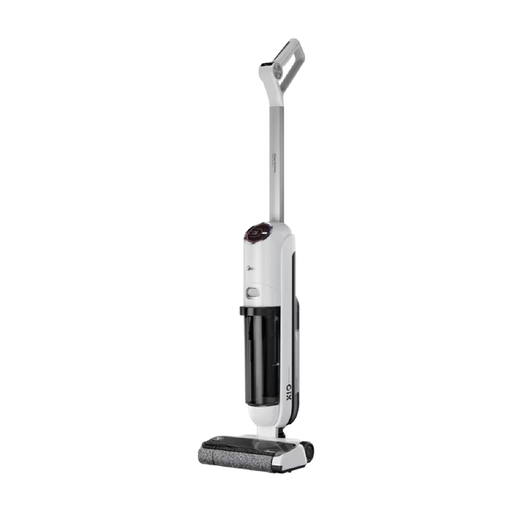
Why this product suits this profile: This cordless 2-in-1 appliance combines vacuuming and mopping on hard floors, with a stated runtime of up to 35 minutes.
Separate cleaning functions, a 700 ml tank and a cleaning station make the specification easy to understand. The stated hot-air drying applies to the brush roller, not the entire appliance.
3-in-1 functionality with vacuuming, mopping and drying; 170-degree lie-flat design; LED display.
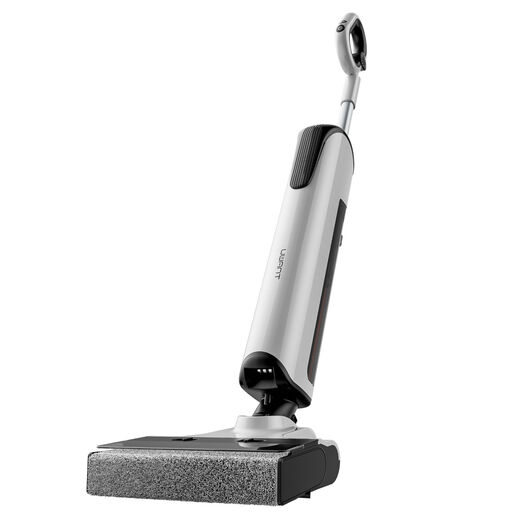
Why this product suits this profile: For larger households, the model offers a stated runtime of up to 45 minutes and automatic adjustment of cleaning intensity, according to the product information.
The three-stage water regulation allows you to adjust the appliance for wood, tiles or stone. The dirty-water tank must still be emptied and rinsed after use.
20,000 Pa stated suction power; 180-degree lie-flat design; 2 mm edge cleaning; thermal brush cleaning with drying.
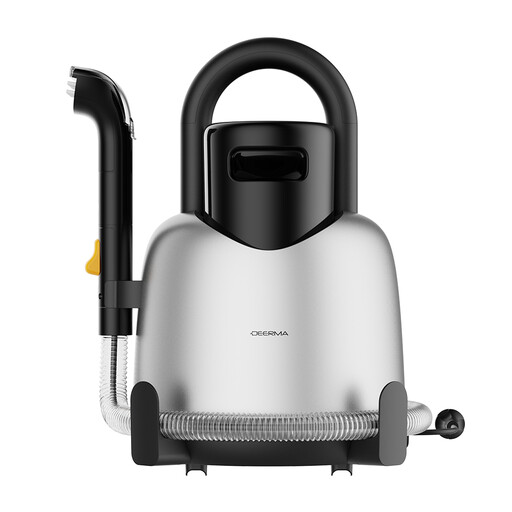
Why this product suits this profile: This corded carpet washer is designed for spot-cleaning carpets, upholstery, car seats and textiles.
Its suitability for textiles is more clearly defined than that of a hard-floor vacuum mop, thanks to several attachments, separate tanks and three water modes.
1,700-watt rated power; 13 kPa suction power according to the product data; 1.7-litre fresh-water tank and 1.4-litre dirty-water tank; steam and hot-water operation.
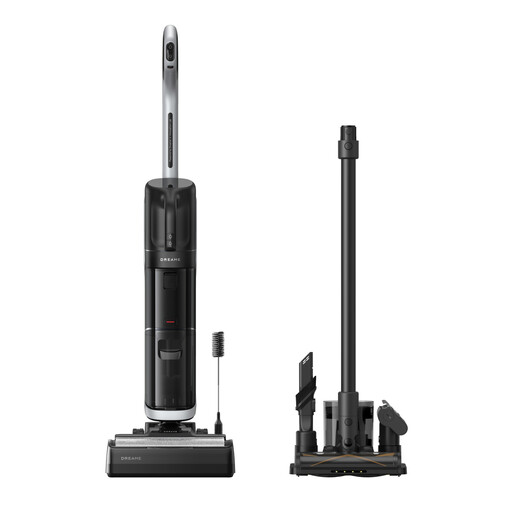
Why this product suits this profile: With a stated runtime of up to 75 minutes and a 0.88-litre fresh-water capacity, this model is aimed at larger homes requiring regular wet cleaning.
The specifications clearly distinguish between runtime, tank capacity and self-cleaning. If you plan to use it on carpets, check the stated surface recommendations separately before buying.
18,000 Pa stated suction power; 180-degree lie-flat function; 60-degree hot-water cleaning and 5-minute warm-air drying according to the product information.
We have put together a complete, regularly updated list of products that fully meet these strict selection criteria and the safety regulations applicable in the EU.
Empty the dirty-water tank after every use and allow washable parts to dry completely. Use only cleaning products approved by the manufacturer. For appliances with a battery, use only the supplied charger and follow the specified charging conditions.
Ongoing costs include cleaning solution, replacement filters, brush rollers and electricity. With a corded appliance, energy consumption depends on its rated power and how long it is used. For cordless models, check whether the battery can be replaced and which spare parts are available. A low purchase price may be offset by consumables that are difficult to source.
Only if the manufacturer explicitly lists carpets as a suitable surface and compatible washing or extraction attachments are included. For deeper carpet cleaning, a carpet washer with a spray function is usually more suitable than a vacuum mop designed solely for hard floors.
Its lifespan depends on usage, care, battery quality and the availability of spare parts. Regularly rinsing the dirty-water tank, keeping filters dry and cleaning the brush roller can help maintain reliable operation. Without information from the manufacturer, it is not possible to give a reliable fixed service life.
The electricity cost of charging is usually only one part of the total cost. You should also factor in cleaning solution, filters, brush rollers and, where applicable, a replacement battery. For a realistic comparison, consider the stated runtime, charging time and area covered per tank together.