
Lieferung heute & morgen

Qualitätsgarantie

Willkommens-Angebote freischalten: KOSTENLOSE Lieferung | Bis zu 80 % RABATT | Kostenlose 30-Tage-JoyPlus-Testphase
App herunterladen
Soju has evolved from a traditional Korean spirit into a global phenomenon. However, anyone looking to buy soju is often faced with a growing selection that can quickly become overwhelming. The decision is complicated by marketing jargon and a multitude of flavours. This guide will help you understand the key differences and make an informed choice that suits your palate.
A common pitfall is assuming all soju tastes the same. In reality, there are significant differences in alcohol content and flavour profile that greatly impact the drinking experience. Another factor is the choice between major brands, whose different production methods lead to subtly different results. Without this knowledge, it's easy to pick the wrong bottle.
To make the right choice, three key parameters are crucial: the alcohol content, the brand and production method, and the flavour profile.
Alcohol content is a primary distinguishing feature among soju varieties and an indicator of the taste experience.
Although there are many producers, two brands dominate the market: Jinro and Lotte (Chum Churum). Their different approaches to production result in noticeable differences.
Choosing the right flavour is crucial. While some prefer the pure, unadulterated character, others are looking for new, sweet, or creamy notes.
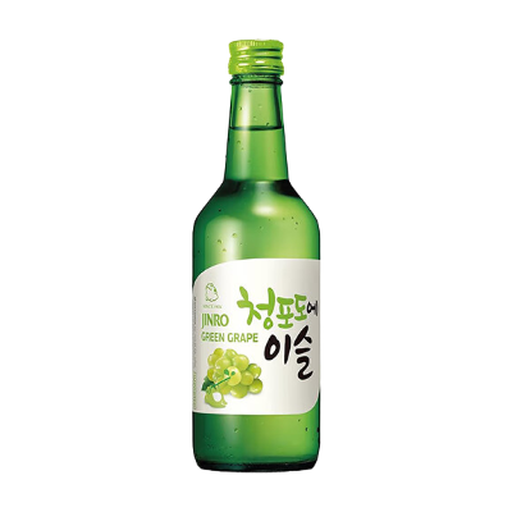
Why It's a Great Fit: Ideal for anyone trying soju for the first time. The green grape flavour is extremely popular, refreshing, and not overly complex. Its moderate alcohol content makes it approachable and pleasant to drink.
This product bypasses the risk of choosing a soju that is too strong or has an acquired taste. The fruity sweetness balances the taste of alcohol, ensuring a positive first experience.
Alcohol Content: 13.0% ABV.
Flavour: Pronounced sweetness with the aroma of green grapes.
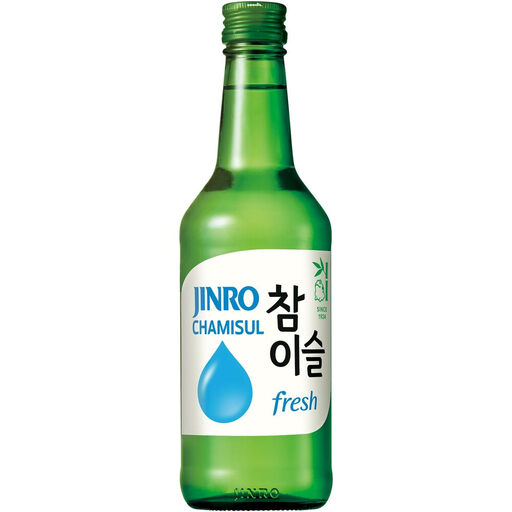
Why It's a Great Fit: For lovers of the authentic soju experience. This variety represents the modern standard of a clear, clean soju, as it is most commonly enjoyed in Korea. Perfect as an accompaniment to Korean dishes.
This product avoids the excessive sweetness of fruit sojus. It offers the unadulterated, clean taste that defines the versatility of this Korean spirit.
Alcohol Content: 16.5% ABV.
Production: Multiple filtrations through bamboo charcoal for an exceptionally clean taste.
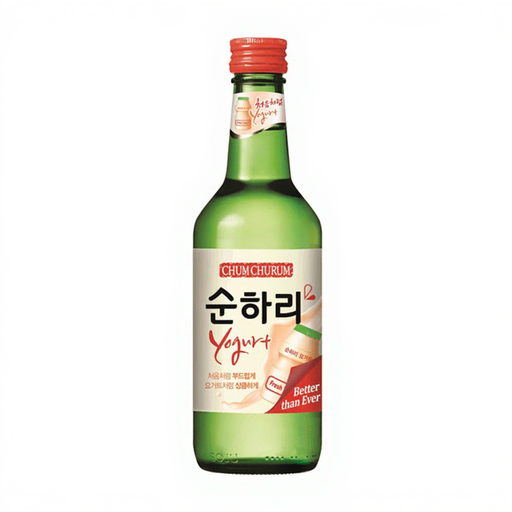
Why It's a Great Fit: For those seeking an unconventional flavour experience. The combination of mild soju and the sweet-and-sour taste of a yoghurt drink is unique and refreshing.
This product deliberately breaks from the expectations of a typical fruit soju. It offers a completely distinct profile, preventing disappointment if standard fruit flavours don't appeal.
Alcohol Content: 12% ABV.
Flavour: Creamy, sweet, and slightly tart, reminiscent of popular yoghurt drinks.
We have compiled a complete, up-to-date list of products that fully meet these strict selection criteria.
Soju is traditionally served well-chilled and neat in small glasses. It is customary to pour for each other rather than pouring your own glass. Fruit soju is often enjoyed straight from the chilled bottle, while classic soju is an excellent accompaniment to grilled meats (Korean BBQ), spicy stews, and other flavourful dishes.
Although both are Korean alcoholic beverages, they are fundamentally different. Soju is a clear, distilled Korean rice spirit (often also made from other starches like tapioca or barley) with a higher alcohol content. Makgeolli, on the other hand, is an unfiltered, fermented rice wine. It is milky, slightly sparkling, sweet-and-sour in taste, and has a much lower alcohol content (usually 3-6% ABV). If you're interested in an alternative, you can also buy makgeolli.