
Lieferung heute & morgen

Qualitätsgarantie

Willkommens-Angebote freischalten: KOSTENLOSE Lieferung | Bis zu 80 % RABATT | Kostenlose 30-Tage-JoyPlus-Testphase
App herunterladen
As a Joybuy Product Recommendation Officer, I see every day how overwhelming the sports nutrition market can be. Especially with whey protein, there is a flood of products all promising rapid muscle-building results. However, not every protein powder is suitable for every goal, and many marketing promises lead to expensive purchasing mistakes. This guide will help you understand the important criteria and make an informed decision.
Before we dive into the key features, let's identify the typical stumbling blocks that often lead to disappointment and wasted money.
To find the right product for your needs, you should focus on three crucial factors instead of marketing buzzwords.
The base of every whey protein is whey, but the processing method determines the final product's characteristics.
Amino acids are the building blocks of protein. Particularly important for muscle growth and recovery are the branched-chain amino acids (or BCAAs): leucine, isoleucine, and valine. A high-quality protein powder made from whey naturally contains a high proportion of BCAAs. A look at the label, which often lists the BCAA content per serving, can provide insight into the quality. A good post-workout shake should quickly supply the body with these essential building blocks.
A short and clear ingredient list is often a good sign. Pay attention to the following points:
Based on the criteria above, we have selected some products from our range for different needs and goals.
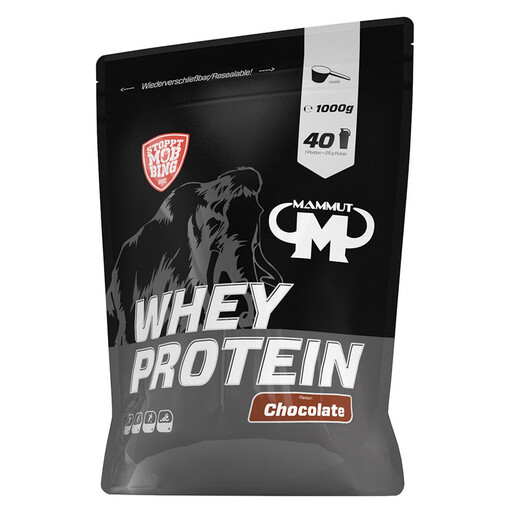
Why This Fits Their Persona: Ideal for athletes looking for a solid and reliable protein source without paying for expensive extras. It offers excellent value for money for regular use after training or as a high-protein snack.
This product relies on a pure whey protein concentrate. It deliberately avoids an expensive isolate or hydrolysate blend, instead offering an honest, effective foundation for muscle building.
Offers a high protein content per serving (27g when prepared with milk) and excellent solubility. The included measuring scoop makes dosing easy.
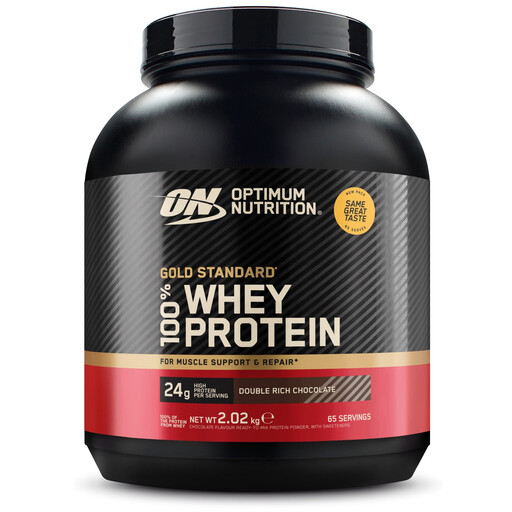
Why This Fits Their Persona: For ambitious athletes who value rapid nutrient delivery and minimal fat and sugar content. The blend is designed for maximum purity and fast absorption.
This product justifies its price with a clear, high-quality formulation. Its main ingredient is whey protein isolate, which backs up the "isolate hype" with a verifiable product feature rather than just a buzzword.
Delivers 24g of protein per serving with low sugar content. Naturally contains 5.5g of BCAAs to support recovery. The blend of isolate, concentrate, and hydrolysate ensures a staggered nutrient release.
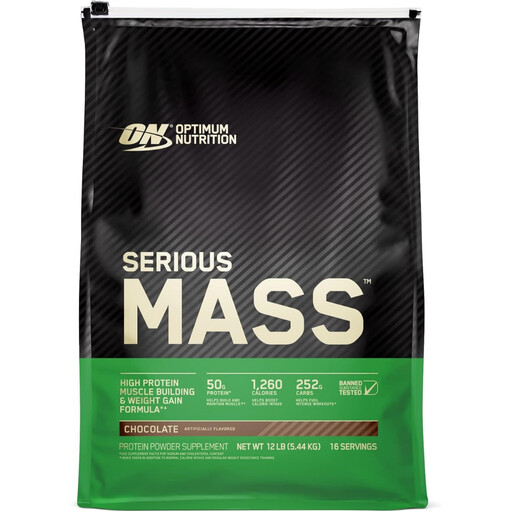
Why This Fits Their Persona: Specifically for individuals who have difficulty gaining weight and muscle mass ("hardgainers"). This product is not a pure whey protein but a calorie-dense shake that specifically supports the calorie surplus needed for mass building.
This product is honest about its purpose: it's a weight gainer, not a diet shake. It avoids the trap of being an "all-in-one" product and instead focuses on the specific needs of mass building with a transparent, high-calorie formula.
Delivers over 1,250 kcal and 50g of protein per serving. The formula is also fortified with 3g of creatine, L-glutamine, and 25 vitamins and minerals to meet the intense demands of mass building.
We've compiled a complete, real-time updated list of products that fully meet these strict selection criteria and German regulations.
The recommended daily intake depends on your body weight, physical activity, and goals. A general guideline for athletes is 1.6 to 2.2 grams of protein per kilogram of body weight per day. A protein shake with 20–30g of protein after a workout or as a supplement to a meal can help meet this need. However, it's important to note that supplements should only complement, not replace, a balanced diet. Adhere to the consumption recommendations on the product packaging.
Yes, whey protein can also be used on non-training days or by non-athletes to increase daily protein intake. Protein helps maintain muscle mass, which is also important with age or with less physical activity. A shake can enhance a low-protein meal or serve as a satiating snack.
The main difference lies in the manufacturing process and the resulting nutrient composition. Whey concentrate is the less processed form with a protein content of about 70–80% and contains small amounts of lactose and fat. Whey isolate is further filtered to achieve a protein content of over 90% and to almost completely remove lactose and fat. Isolate is therefore more beneficial for people with lactose intolerance or during very strict diet phases, while concentrate offers better value for money for most users.