
Lieferung heute & morgen

Qualitätsgarantie

Willkommens-Angebote freischalten: KOSTENLOSE Lieferung | Bis zu 80 % RABATT | Kostenlose 30-Tage-JoyPlus-Testphase
App herunterladen
The whey protein market can be overwhelming. Countless brands, flavours, and marketing claims make the decision difficult. Many fitness enthusiasts and athletes wonder what truly matters when buying protein powder. The wrong choice not only leads to disappointment in taste but also to wasted money on products that don't deliver on their promises.
As your Joybuy Product Recommendation Officer, I'm here to help you navigate the marketing jungle. We'll shine a light on the most common pitfalls and show you which objective criteria are crucial for making your selection.
Before we dive into the details, let's identify the typical marketing traps that often lead to a poor purchase:
To find the right Whey Protein for your goals, you should focus on three verifiable core parameters.
The type of whey protein determines its properties, price, and ideal use case.
A quick glance at the nutritional panel per serving is essential. A good protein shake to support muscle growth should have a high protein content while being low in sugar and fat. Pay special attention to the "of which sugars" value. Many products contain less than 2 grams of sugar per serving, which is ideal for most diet and fitness goals.
Proteins are made up of amino acids. The branched-chain amino acids (short: BCAA) are particularly important for muscle tissue: leucine, isoleucine, and valine. Leucine is considered the primary trigger for muscle protein synthesis. A high-quality whey protein naturally provides a complete amino acid profile with a high BCAA content. A typical value is 5–6 grams of BCAAs per 25–30 gram serving.
Instead of making a blanket recommendation, we have matched products to different needs and goals.
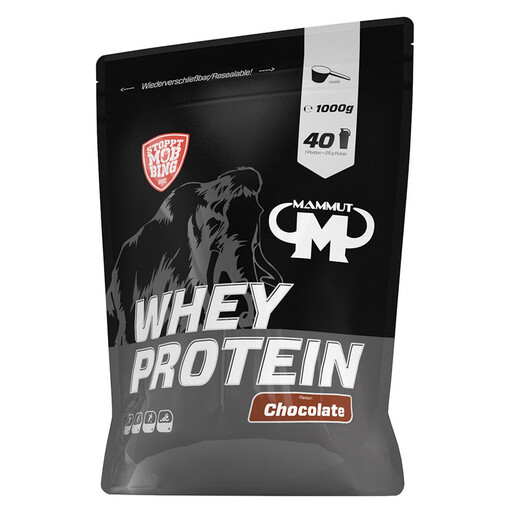
Why This Fits Their Persona: Ideal for anyone looking for a solid and reliable protein powder without paying extra for flashy marketing. It offers excellent value for money for daily use.
This product is a pure whey protein concentrate and avoids expensive "special matrices." You pay for what you need: high-quality protein.
Delivers a solid 27 g of protein per serving (when prepared with milk) and has a naturally high BCAA content. The mixability is very good.
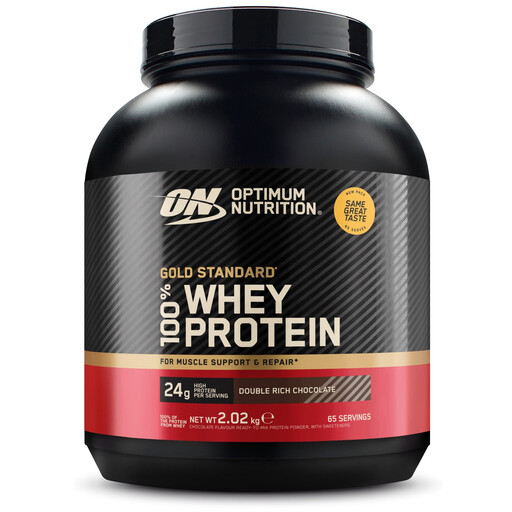
Why This Fits Their Persona: For athletes who prioritise rapid recovery and a clean nutrient intake. Ideal as a post-workout protein shake to quickly supply muscles with amino acids.
The main ingredient is whey protein isolate, which justifies the higher price and cuts through the jargon jungle. The composition is transparent and designed for performance.
Provides 24 g of protein per serving with only 1 g of sugar. The blend of isolate, concentrate, and hydrolysate ensures rapid yet sustained protein delivery. Contains 5.5 g of naturally occurring BCAAs.
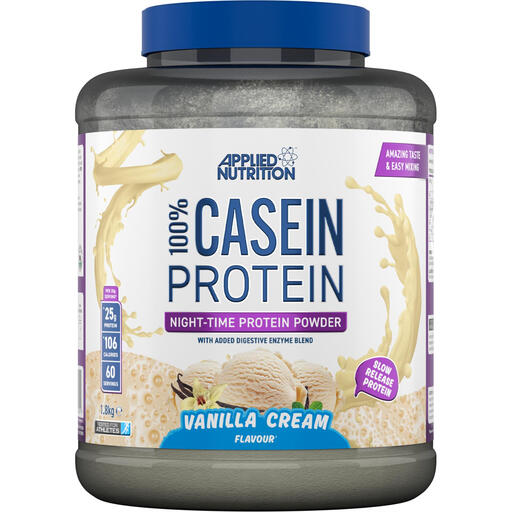
Why This Fits Their Persona: Perfect for athletes who want to ensure a sustained protein supply, especially overnight or during long periods between meals, to minimise muscle breakdown.
This product isn't whey, but micellar casein. It serves a clear, scientifically-backed purpose (slow digestion) and isn't a vague "special matrix."
Delivers approx. 25 g of slow-digesting protein per serving for a continuous release of amino acids. It also contains digestive enzymes (DigeZyme) and probiotics (LactoSpore).
We have compiled a complete, up-to-date list of products that fully meet these strict selection criteria.
The classic time for a post-workout protein shake is within one to two hours after your session. During this window, your muscles' ability to absorb nutrients and initiate protein synthesis is heightened. A fast-digesting whey protein is ideal here. However, a protein shake can also be beneficial at other times, such as a high-protein snack to curb cravings, or in the morning to supply your body with amino acids after a night's rest.
Protein powder is a dietary supplement, not a magic bullet. Its main purpose is to complement your daily protein intake. While it's primarily designed for athletes to support recovery and muscle growth, it can also be useful for non-athletes. Individuals on a diet, older adults looking to preserve muscle mass, or people who struggle to meet their daily protein needs through whole foods alone can benefit from a shake. However, the foundation should always be a balanced and varied diet.
In summary, you should look for the following points: