
Lieferung heute & morgen

Qualitätsgarantie

Willkommens-Angebote freischalten: KOSTENLOSE Lieferung | Bis zu 80 % RABATT | Kostenlose 30-Tage-JoyPlus-Testphase
App herunterladen
Whey protein powder can make it easier to hit your daily protein intake – whether after a workout, at the office, or as part of your breakfast. However, products vary significantly in protein content, protein source, sweeteners, serving size and solubility. A striking flavour or a bold marketing claim doesn’t necessarily tell you whether a protein shake will suit your routine.
Claims like “25 g protein” often refer to a single serving, not to 100 g of powder. For a fair comparison, you should check both values. Equally important is the serving size: 24 g of protein in 30 g of powder is different from 27 g of protein in a serving prepared with milk.
Whey Concentrate contains, alongside protein, certain amounts of carbohydrates and fat depending on the recipe. Whey Isolate is more heavily filtered and often has a higher protein content. Blends of concentrate, isolate and partially hydrolysed whey can have different nutritional profiles and prices. The ingredients list is therefore more informative than general marketing claims.
A protein powder in chocolate, vanilla or strawberry is usually the one you’ll use regularly. If the powder doesn’t dissolve easily or the sweetness doesn’t suit your taste, the tub may end up unused. To judge this, look at the preparation instructions, recommended liquid amount and any solubility notes. Even a low-sugar protein powder can contain sweeteners such as sucralose, acesulfame K or steviol glycosides.
Compare the protein content per 100 g and per serving. Optimum Nutrition Gold Standard 100% Whey states 79 g of protein per 100 g, or 24 g per 30 g serving, according to the product information. ESN Designer Whey Protein Vanilla Milk lists 75 g per 100 g. The strawberry cream variant is stated as 76 g per 100 g by the supplier.
You should also check sugar, carbohydrates, fat and calories. Optimum Nutrition Gold Standard 100% Whey is listed at 113 kcal and 1.0 g sugar per 30 g serving. Actual values may vary by flavour; the nutrition table on the individual pack is definitive.
Whey protein comes from milk and is not suitable for anyone with a milk protein allergy. Depending on the product, soya, gluten-containing cereals or other allergens may also be listed. Always check the full ingredients list before buying.
For a whey blend, it should be clear whether it contains concentrate, isolate or a combination. ESN Designer Whey Protein Almond Coconut contains, according to the product description, a blend of ultrafiltered whey concentrate and cross-flow microfiltered whey isolate. The almond-coconut flavour is complemented by 1.5% desiccated coconut.
A 300 g pack is a good choice if you want to try a flavour first. For daily use, a 1,000 g pack may be more practical. Roughly calculate the price per 100 g or per serving, rather than just comparing the total price.
For preparation, around 180 to 300 ml of water or milk is typically recommended, depending on the product. A shaker makes things easier, but it’s no substitute for checking solubility and dosage.
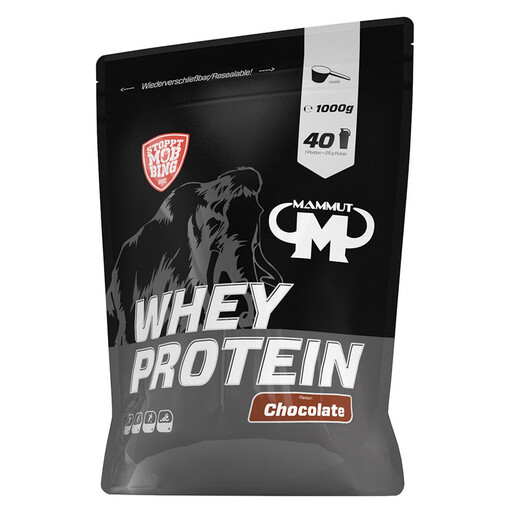
Why this product fits the profile: The 1,000 g pack is ideal for anyone who regularly makes a protein shake and prefers a larger supply. The chocolate flavour can be mixed with water or milk.
The product information states a serving size of 25 g, an ingredients list with 89% whey concentrate, and milk as an allergen. This allows beginners to compare the marketing claim with the actual data.
According to the product description, 27 g protein per serving when prepared with 300 ml semi-skimmed milk; scoop included in the bag and chocolate flavour.
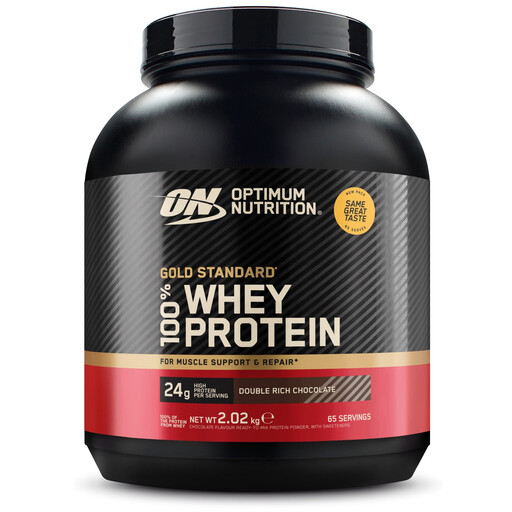
Why this product fits the profile: The recipe combines whey isolate, concentrate and hydrolysed whey. This suits users who pay closer attention to protein source, nutritional values and versatile preparation.
The information lists protein content, calories, sugar, allergens and the components of the whey blend. This makes it possible to assess the product using verifiable metrics.
24 g protein per 30 g serving, according to the product information 5.5 g naturally occurring BCAAs and 113 kcal per serving.
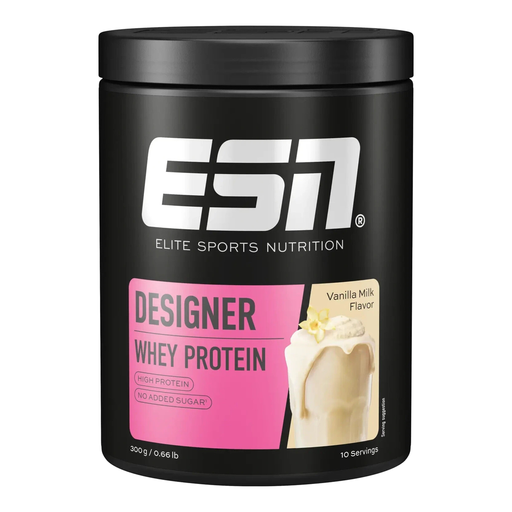
Why this product fits the profile: The 300 g pack offers a manageable way to try the vanilla flavour. According to the product description, the powder can be used with water or semi-skimmed milk.
The protein content is stated as 75 g per 100 g. The whey blend of concentrate and isolate, as well as the sweeteners used, are also listed.
30 g serving with 28.2 g whey protein blend according to the product information; suitable for protein shakes, snacks or post-workout consumption.
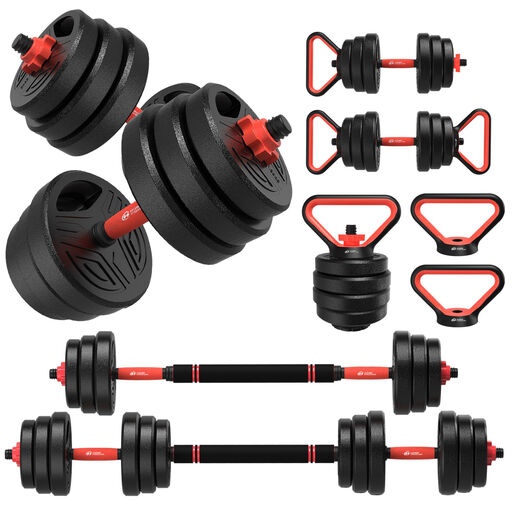
Why this product fits the profile: If you want to combine post-workout protein with regular home training, this adjustable dumbbell set offers options for various exercises and training styles.
The selection isn’t limited to a single weight: the set includes a bar, a kettlebell function and push-up handles. The weight plates must be securely tightened before each use.
20 kg total weight, adjustable plates and multiple grip options for home dumbbells and other exercises.
We’ve put together a full, regularly updated list of products that fully meet these strict selection criteria and the safety regulations in force in the EU.
Many people drink whey protein after a workout because it’s quick to prepare. However, a fixed time of day isn’t necessary for everyone. What matters most is your total protein intake throughout the day and how well you tolerate the product.
Check the best-before date and the instructions on the pack. After opening, keep the container or bag dry and well sealed. Moisture can affect the powder’s flow and solubility. If the smell, taste or appearance changes, or you notice any visible contamination, stop using the product.
This depends on the pack size, serving weight and selling price. Divide the price by the approximate number of servings, or compare the price per 100 g. A larger pack can work out cheaper, while a 300 g pack reduces the risk of being stuck with a flavour you don’t like long-term.