
Lieferung heute & morgen

Qualitätsgarantie

Willkommens-Angebote freischalten: KOSTENLOSE Lieferung | Bis zu 80 % RABATT | Kostenlose 30-Tage-JoyPlus-Testphase
App herunterladen
The right whey protein powder can make it easy to top up your daily protein intake. But big promises on the packaging don’t always help you choose the right product. What matters is the nutritional information per 100 g, the actual serving size, the ingredients list and the pack size.
“27 g of protein per serving” sounds clear enough. However, a serving could contain 25, 30 or 32 g of powder, depending on the product. In some cases, the figure may even refer to a shake made with milk. For a fair comparison, check the protein content per 100 g and the stated amount of powder.
The products featured here, for example, contain between around 71 and 79 g of protein per 100 g. Differences can be down to the flavour, cocoa, chocolate pieces or other ingredients.
Whey protein is a protein derived from milk. It commonly comes in three forms:
Whey protein isolate isn’t automatically the right choice for everyone. If you’re mainly looking for good value per gram, it’s worth comparing it with whey protein concentrate. If you have an intolerance or specific dietary requirements, check the ingredients and allergen information.
A 3 kg tub of whey protein may work out cheaper per serving, but it ties up more money and needs to be used regularly. If you haven’t tried a flavour before, a 300 g pack or a variety box is often a lower-risk option. If you use it frequently, 1 kg packs or larger tubs may be more practical.
It’s also worth being realistic about how well it mixes: even an easily mixable protein powder can become lumpy if you use too little liquid, warm milk or don’t shake it enough.
Start by comparing:
Optimum Nutrition Gold Standard 100% Whey, for example, is mixed with 30 g of powder and 200 to 300 ml of water or milk. The Delicious Strawberry flavour contains 79 g of protein per 100 g and 23.7 g per serving, according to the product information. Values may vary by flavour.
Whey protein comes from milk. Also look out for:
Some Cookies & Cream varieties, for example, may contain wheat. ESN products list milk and soy, depending on the variety. Always check the packaging for the specific flavour you’re buying.
Protein powder after a workout can be mixed with water or milk. Depending on your diet, you can also have it before a workout or as a protein-rich snack. When you take it doesn’t replace a balanced diet, and should be considered as part of your overall daily intake.
Store whey protein in a cool, dry place, with the pack sealed and away from direct sunlight. A prepared protein shake should be consumed promptly and not left unrefrigerated for long periods.
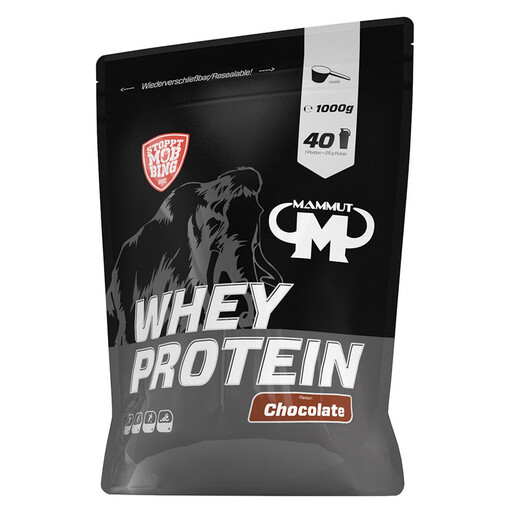
Why it suits this profile: The 1 kg pack is a manageable size for anyone who wants to use a whey protein concentrate regularly, without buying in bulk.
The serving is listed as 25 g of powder. This makes it easier to plan how much powder you’ll use than when comparing products based on servings made with milk.
1,000 g pouch, measuring scoop and chocolate flavour; 27 g of protein per serving when prepared with milk, according to the product information.
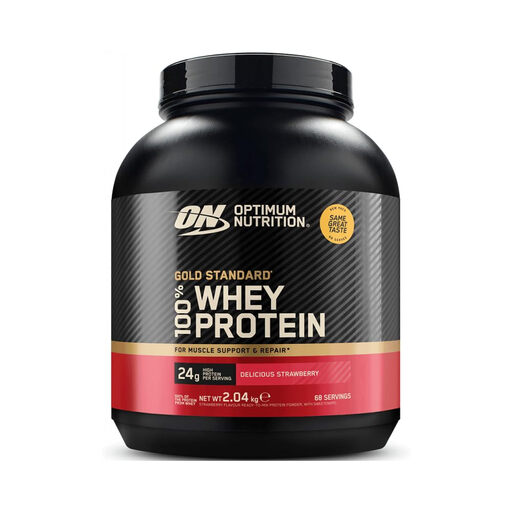
Why it suits this profile: The product information lists whey protein isolate as the protein source, with 79 g of protein per 100 g and 23.7 g per 30 g serving.
Nutritional values are listed per 100 g and per serving, so you can compare them regardless of how much milk you use.
30 g serving, 113 kcal according to the product information, and can be mixed with 200–300 ml of water or milk.
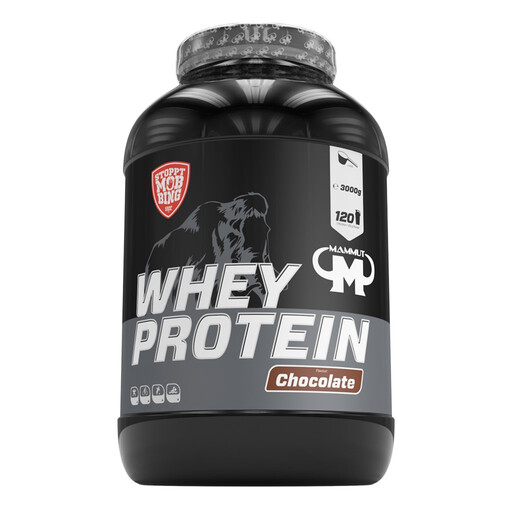
Why it suits this profile: The 3 kg pack is for people who make protein shakes regularly and prefer to stock up.
The pack size suits regular use and means you won’t need to reorder as often. Once opened, take particular care to follow the storage instructions.
120 servings according to the product description, 25 g per serving and a measuring scoop; whey protein concentrate as the main ingredient.
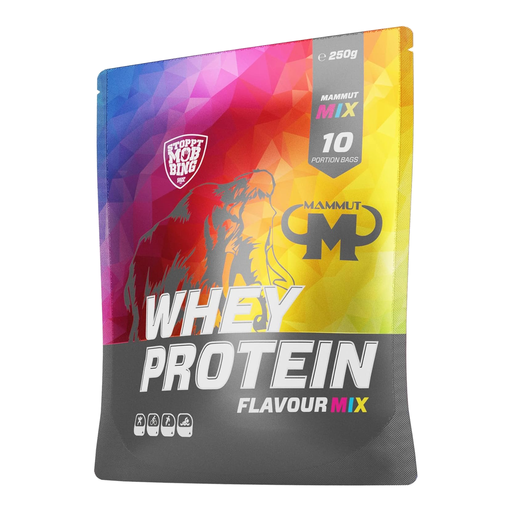
Why it suits this profile: Ten individual servings in different flavours make it easier to choose a favourite before buying a larger pack.
The sample size reduces the risk of buying 1 kg or 3 kg of a flavour you don’t enjoy day to day.
10 servings of 25 g in a selection of flavours, including vanilla, chocolate, strawberry and nut varieties, according to the product description.
We’ve put together a complete, regularly updated list of products that meet these strict selection criteria and fully comply with the safety regulations in force in the EU.
You can have whey protein after a workout, before a workout or between meals. Your total daily protein intake is what matters. A single serving is no substitute for a balanced diet.
Check the best-before date and the manufacturer’s instructions. Once opened, store the powder in a cool, dry place, with the pack sealed and protected from moisture. If its smell or taste has changed, or the powder has become lumpy, don’t use it.
It depends on the pack size, offers and protein content. Compare the price per 100 g of protein rather than just the price per pack. Concentrate may have a lower upfront price, while the cost per gram of protein may work out differently for isolate. The ingredients list and nutritional information for each product are still key.