
Lieferung heute & morgen

Qualitätsgarantie

Willkommens-Angebote freischalten: KOSTENLOSE Lieferung | Bis zu 80 % RABATT | Kostenlose 30-Tage-JoyPlus-Testphase
App herunterladen
A protein shake can help supplement your daily protein intake, but it is no substitute for a varied diet. If you’re looking to buy whey protein powder, you’ll find a wide range of flavours, pack sizes and marketing claims. It’s often the nutritional information, protein source and ingredients list that matter most — not the eye-catching flavour.
Claims such as ‘24 grams of protein per serving’ may seem straightforward at first. However, serving sizes can vary. For a fair comparison, it’s better to look at protein per 100 grams of powder. You should also check the sugar, fat and carbohydrate content.
Whey protein isolate is a concentrated protein source that usually has a higher protein content. However, that doesn’t automatically make every isolate the right choice for you. Flavour, sweeteners, price per serving and personal tolerance all matter. Whey protein concentrate may also be a suitable option for many people, and is often positioned at a different price point.
A 3 kg tub can bring down the price per 100 grams. But if you find the flavour or texture isn’t right after a few servings, you could be left with a lot of unused powder. A smaller pack may be a better choice if you’re just starting out. If you use protein powder regularly, also check how long it keeps once opened and store it in a dry place.
First, compare the protein content per 100 grams, then check the protein per serving. Figures vary between products. For example, Optimum Nutrition Gold Standard 100% Whey lists around 74 to 79 grams of protein per 100 grams, depending on the variant. A serving contains around 22.2 to 24 grams of protein.
How you prepare your shake also affects its nutritional values. Water adds no extra calories, while milk changes the energy, sugar and protein content of the finished shake. Always refer to the nutritional information on the product packaging.
A classic whey product is made with whey protein. Check whether it contains whey protein isolate, whey protein concentrate or a blend. A multi-source protein combines different protein sources, such as whey, milk, egg, soya or other ingredients.
The ingredients list also tells you which sweeteners, flavourings, thickeners and emulsifiers are used. If you have allergies or intolerances, pay particular attention to milk, lactose, soya, egg and cereals containing gluten. Ingredients may vary between flavours in the same product range.
The powder should mix with water or milk as directed by the manufacturer. Claims such as ‘mixes easily’ should be considered alongside specific instructions on the recommended amount of liquid and serving size. A scoop makes measuring easier, but it’s no substitute for kitchen scales when you need an exact amount.
Packs of 300 to 500 grams are manageable if you only use protein powder occasionally. If you regularly make a protein powder for muscle building shake or a drink after training, you could consider a larger tub. Always work out the price per 100 grams or per serving.
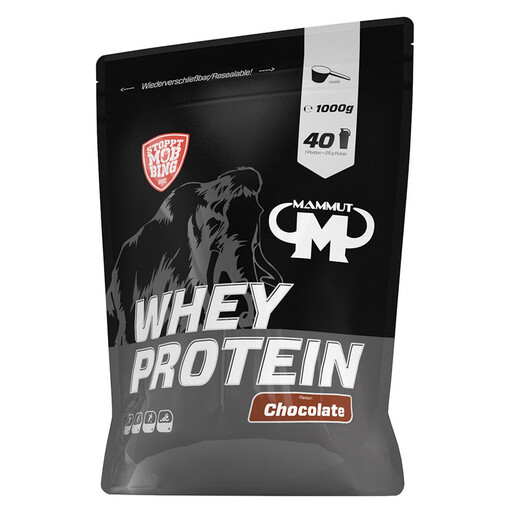
Why this product suits this profile: The 1 kg pack offers a manageable way to get started. According to the product information, a serving made with 25 g of powder provides 27 g of protein when prepared with milk. The powder is made mainly from whey protein concentrate.
The smaller pack reduces the risk of being left with a large supply of a flavour you don’t like. The ingredients list states that it contains 89% whey protein concentrate, as well as sweeteners.
1,000 g pack, measuring scoop and, according to the product information, suitable for use with water or milk.
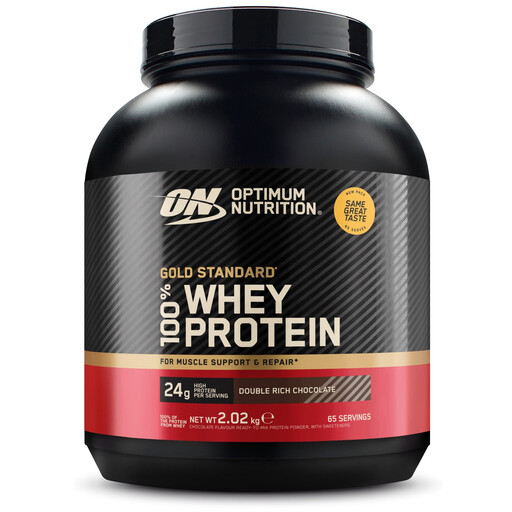
Why this product suits this profile: According to the product information, it combines whey protein isolate, concentrate and hydrolysed whey protein ingredients. A 30 g serving provides 24 g of protein and 113 kcal.
The nutritional information lists protein, fat, carbohydrates and sugar both per 100 g and per serving. This makes it easier to compare the product fairly with other varieties.
2,020 g pack, 24 g of protein per serving and, according to the product description, versatile enough for shakes, smoothies and recipes.
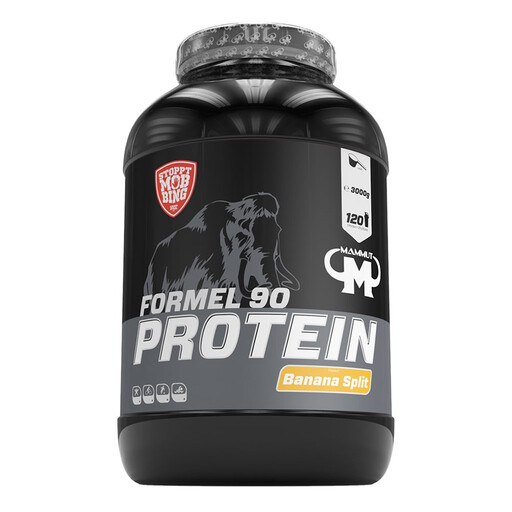
Why this product suits this profile: The 3 kg pack is aimed at people who make protein shakes regularly. According to the product information, the recipe combines soya, milk, whey and egg protein.
Describing it as a multi-source protein makes the different protein sources clear. According to the product information, allergens including milk, soya, egg and ingredients containing gluten should be taken into account.
3 kg tub, 29 g of protein per serving according to the description, plus vitamin B6 as an additional ingredient in the recipe.
We’ve put together a complete, regularly updated list of products that meet these strict selection criteria and fully comply with the safety regulations in force in the EU.
Follow the serving instructions on the packaging. Typically, around 25 to 30 grams of powder is mixed with 180 to 300 millilitres of water or milk. A shaker makes preparation easier. Drink your shake soon after making it, and don’t leave it unrefrigerated for an extended period.
No. Protein powder after training is a convenient way to supplement your daily protein intake. Your overall diet is what matters most. Timing is less important than getting the right amount of energy and protein overall. If you have a medical condition, reduced kidney function, take medication or are unsure, it’s a good idea to seek medical advice.
A BCAA protein product contains branched-chain amino acids, while whey naturally provides BCAAs already. Creatine protein usually refers to a combination of protein powder and creatine. With combination products, check the amount and serving instructions for each ingredient. If needed, pure creatine can also be measured and taken separately. Always follow the information on the relevant product label.