
Lieferung heute & morgen

Qualitätsgarantie

Willkommens-Angebote freischalten: KOSTENLOSE Lieferung | Bis zu 80 % RABATT | Kostenlose 30-Tage-JoyPlus-Testphase
App herunterladen
Whey protein can provide a simple way to supplement your daily protein intake – in a protein shake after training, at work or as a protein-rich snack. However, the range of products available is extensive. Terms such as “High Protein”, “Whey Isolate” or “BCAA” alone reveal little about whether a product suits your diet plan and budget.
Three common purchasing misconceptions particularly often lead to unnecessary spending:
Where possible, compare protein powders using the nutritional values per 100 g and additionally per serving. A high protein content reduces the proportion of other ingredients such as carbohydrates or fat. For the products considered here, the figures range from around 71 to 79 g of protein per 100 g of powder, for example.
The recommended serving size is also relevant. Depending on the variant, Optimum Nutrition Gold Standard 100% Whey is prepared with approximately 30 to 31 g of powder and provides around 22.2 to 24 g of protein according to the product information. ESN Designer Whey Protein uses 30 g of powder; according to the product description, the Vanilla Milk variety contains 75 g of protein per 100 g.
Whey protein is usually described as whey concentrate, whey isolate or hydrolysed whey. In addition to protein, concentrate typically contains somewhat more milk components, fat and carbohydrates. Isolate is more heavily filtered and often has a higher protein content. Hydrolysed whey has been partially broken down using enzymes.
When choosing a product, you should read the full ingredients list rather than just the name on the front. Important points include:
BCAAs such as leucine, isoleucine and valine occur naturally in whey protein. An additionally promoted BCAA product is therefore not automatically necessary if you are already using a complete whey protein.
If you want to keep an eye on calories and sugar, you should distinguish between the nutritional values of the powder and those of the prepared shake. Water does not alter the nutritional values of the powder, whereas milk adds extra calories, carbohydrates and protein.
Optimum Nutrition Gold Standard 100% Whey in the Double Rich Chocolate variant is stated to provide 113 kcal and 24 g of protein per 30-g serving. A 330-ml bottle of ready-to-drink Optimum Nutrition High Protein Shake contains 185 kcal and 25 g of protein. This is convenient for taking with you, but is usually more expensive per serving than powder.
Mixability is also part of everyday practicality. You should compare manufacturer claims such as “easy to mix” with the recommended amount of liquid. A shaker makes preparation easier, while a countertop blender can be useful for oats, fruit or frozen ingredients.
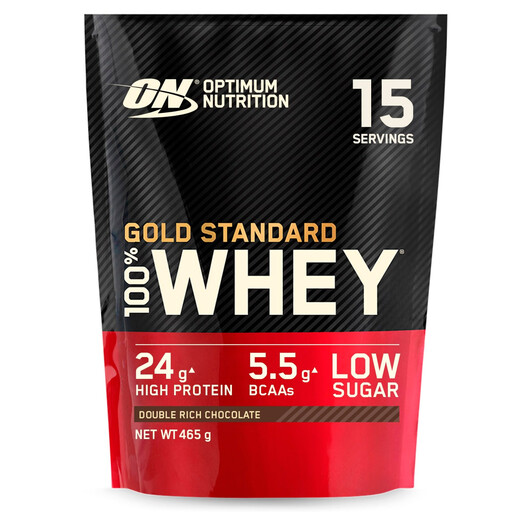
Why this product suits this profile: According to the product information, the smaller pack provides around 15 servings, making it suitable for trying out the flavour and how well you tolerate it in everyday use.
The nutritional information states around 22.2 g of protein and 113 kcal per 30-g serving. This makes it easier to compare the quantity with other products.
Whey blend containing isolate, concentrate and hydrolysed whey; according to the product description, with low sugar and fat content.
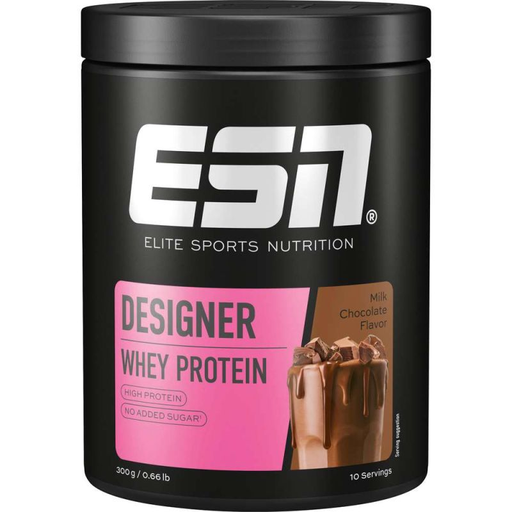
Why this product suits this profile: The combination of ultrafiltered concentrate and microfiltered isolate appeals to users who carefully assess the protein source and composition.
The ingredients list specifies a whey protein content of 92%, as well as sweeteners and allergens. You should still check the information on the packaging.
According to the product description, 76 g of protein per 100 g; suitable for shakes, porridge and baking recipes.
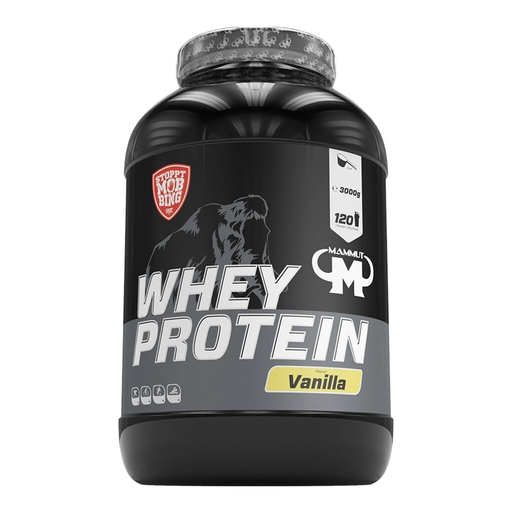
Why this product suits this profile: According to the description, the large pack provides around 120 servings and is aimed at people who regularly prepare a protein shake.
Depending on the information provided, the nutritional values state around 71 to 72 g of protein per 100 g. This allows frequent users to compare the large pack with smaller units and their own consumption.
Whey concentrate as the protein source, vanilla flavour and a measuring scoop; can be prepared with water or milk.
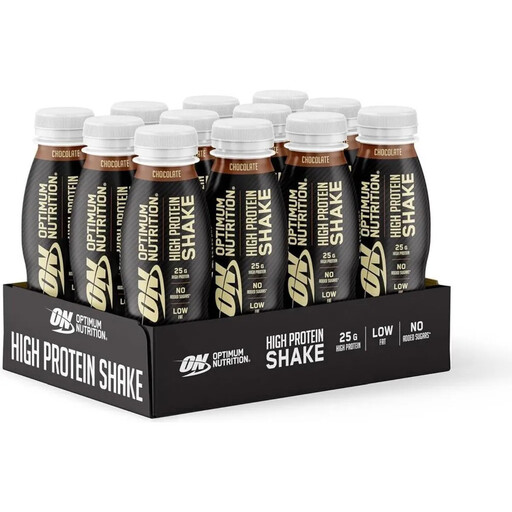
Why this product suits this profile: The ready-to-drink protein shake needs neither a measuring scoop nor a shaker, and can be taken with you after training or between appointments.
The bottle provides 25 g of protein and 185 kcal per 330 ml. This clearly defines the serving size and eliminates the need to mix the drink yourself.
Ready-to-drink format, 12 bottles per pack, low in fat and with no added sugar according to the product information.
We have put together a complete, regularly updated list of products that fully meet these strict selection criteria and the safety regulations applicable in the EU.
Protein powder is not a substitute for a varied diet. Claims regarding support for muscle growth and maintenance refer to protein intake as part of an overall balanced diet and physical activity.
This depends on the packaging, storage conditions and the manufacturer’s guidance. If kept dry, cool and airtight, the powder can be used up to the stated best-before date. Any changes in smell, flavour, colour or consistency are a reason to stop using the product.
No. Isolate may be of interest if you want a higher protein content and, in some cases, lower amounts of fat or milk sugar. Whey concentrate is sufficient for many athletes and active adults, and is often a suitable option in terms of price. The key factors are nutritional values, tolerance and your personal dietary goals.
With powder, the price per shake depends on the pack size, serving and protein content. Larger packs can reduce the price per serving, but are only worthwhile if you already know that you like the flavour and tolerate the product well. Ready-to-drink bottles save preparation time, but are often more expensive per serving. You should therefore compare the price per 100 g of powder or per 20 g of protein.