
Lieferung heute & morgen

Qualitätsgarantie

Willkommens-Angebote freischalten: KOSTENLOSE Lieferung | Bis zu 80 % RABATT | Kostenlose 30-Tage-JoyPlus-Testphase
App herunterladen
A protein shake is quick to prepare and can help supplement your daily protein intake. However, whey products vary considerably in their protein content, ingredients, serving size and price. If you focus only on bold marketing claims or eye-catching packaging, you could end up paying for features that make little difference in everyday use.
This buying guide from the Joybuy Product Recommendation Officer explains which details really matter when choosing whey protein powder, and which products suit different needs.
Depending on the brand, a serving might contain 25, 30 or more than 30 grams of powder. That’s why protein per 100 grams is a more useful figure for comparing products. A product with 24 grams of protein per serving could have a similar or lower protein content than a powder with 22 grams of protein per 30-gram serving if its serving size is larger.
Chocolate, vanilla and strawberry whey protein can have different nutritional values, even within the same product range. Ingredients such as cocoa powder, biscuit pieces or chocolate can affect the carbohydrate, sugar and allergen content. Always check the nutrition table for the specific flavour you’re considering.
A 2 or 3 kg tub can make sense if you use it regularly. But if you’re new to protein powder or like to switch flavours often, a smaller pack may be a lower-risk purchase. Before you buy, it’s worth comparing:
Whey protein is made from milk. Whey protein concentrate typically contains slightly more fat and carbohydrates alongside the protein. Whey protein isolate is more heavily filtered and often has a higher protein content. However, it’s the full product information that matters, not just the name on the front of the pack.
Examples from the product information:
Values can vary by flavour and recipe. Always refer to the information on the packaging.
If you’re looking for a low-calorie protein powder, don’t just look for “low sugar”. Compare calories, fat, carbohydrates and sugar per serving. The listed Optimum Nutrition products contain around 113 to 119 kcal per serving, depending on the variant. According to the product information, ESN Designer Whey also has varying nutritional values, partly depending on ingredients such as cereal pieces or chocolate.
Mixing the powder with milk rather than water increases the calories and carbohydrates. If you’re watching your calorie intake, remember to include this in your daily total.
Whey protein is made from milk, so it’s not suitable for anyone with a milk allergy. Products may also contain soy, gluten, wheat, barley, egg or nuts, or mention these as possible traces. BCAA protein isn’t necessarily a separate product: whey naturally contains branched-chain amino acids such as leucine, isoleucine and valine. Check the amino acid table or product description for the exact amount.
Also look out for:
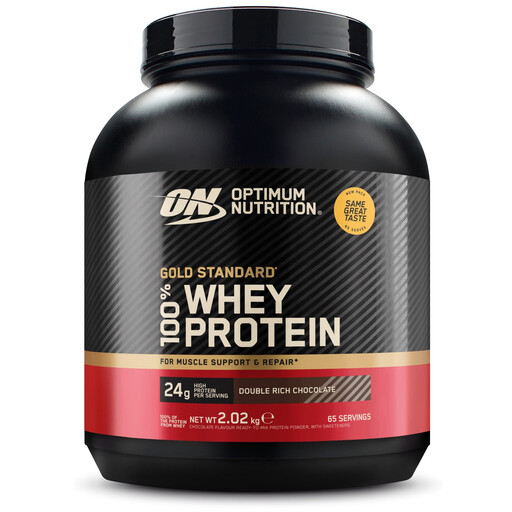
Why it suits this profile: The 2,020 g pack is a good fit if you train regularly and want a larger amount of a well-known whey protein product. It’s listed as containing 24 g of protein and 113 kcal per 30 g serving.
Nutritional values are given per 100 g and per serving, making it easier to compare the actual protein content with other powders.
The product information lists whey isolate as an ingredient in the blend. The powder is suitable for shakes, porridge and recipes.
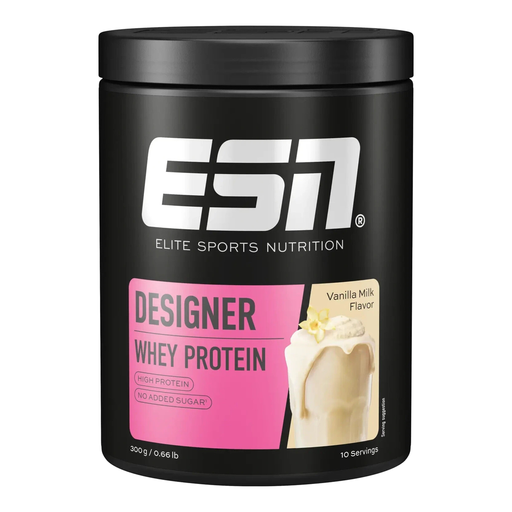
Why it suits this profile: The smaller pack is ideal if you want to try a flavour first and are looking for a blend of whey concentrate and whey isolate.
The 30 g serving size and recommended amount of liquid are stated, so you can assess the flavour, mixability and how well you tolerate it before buying a larger pack.
According to the product information, this variant contains 75 g of protein per 100 g and can be mixed with water or skimmed milk.
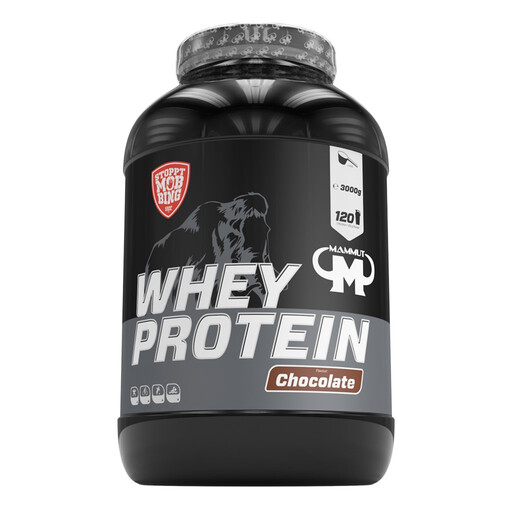
Why it suits this profile: This large tub is designed for regular users who make protein shakes often and prefer a chocolate flavour for everyday use.
The product information specifies a recommended serving of 25 g, storage below 25 °C and how soon to use the powder after opening.
The product description states that each serving contains 27 g of protein and is intended to be mixed with water or skimmed milk.
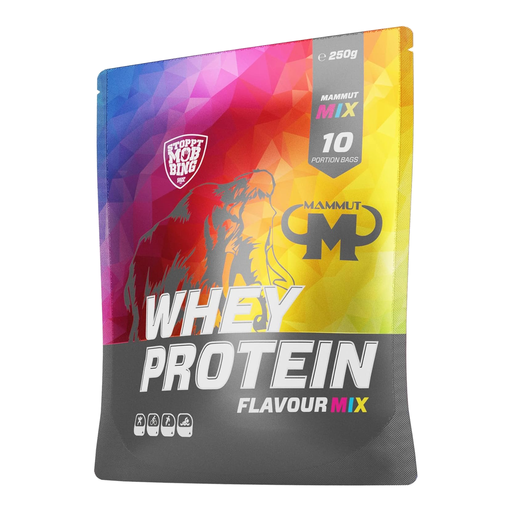
Why it suits this profile: The individual sachets are handy for taking on the go or to the office. They’re also useful if you want to compare flavours such as vanilla, strawberry, coffee and chocolate.
A sample pack reduces the risk of buying a large amount of a flavour you don’t like. The individual sachets also make it easy to measure out a serving.
The box contains ten servings, each with 25 g of powder. According to the product information, each serving provides around 27 g of protein when prepared with milk.
We’ve put together a complete, regularly updated list of products that meet these strict selection criteria and fully comply with the safety regulations in force in the EU.
For a classic protein shake, mix around 25 to 32 grams of powder with 180 to 300 millilitres of water or milk, depending on the product. A shaker makes it easy to prepare; if you want a smoother consistency, a blender may be useful. A protein shake can be a convenient option after a workout, but you don’t have to drink it only then. It can also help supplement your daily protein intake.
Store opened packs in a cool, dry place, tightly sealed and away from direct sunlight. Don’t use a damp scoop to measure out the powder. Drink a prepared shake promptly and don’t leave it unrefrigerated for long periods.
Follow the best-before date on the packaging. After opening, how long the powder keeps in practice depends on storing it in a dry place, using a clean scoop and keeping the pack tightly sealed. Clumps, moisture or noticeable changes in smell or taste are signs that you shouldn’t use it.
No. The right option depends on your needs, budget, protein content and how well you tolerate it. Isolate often has a higher protein content and fewer other ingredients. Concentrate may be enough for many people. Compare the full nutrition and ingredients lists.
A shake after a workout is a straightforward way to supplement your protein intake. What matters most is your overall diet throughout the day. If you have allergies or a medical condition, take medication, or aren’t sure how much protein you need, seek medical advice before using it.