
Lieferung heute & morgen

Qualitätsgarantie

Willkommens-Angebote freischalten: KOSTENLOSE Lieferung | Bis zu 80 % RABATT | Kostenlose 30-Tage-JoyPlus-Testphase
App herunterladen
By the Joybuy Product Recommendation Officer, Published on 2026-07-29
The market for Whey Protein is overwhelming. Countless brands, flavours, and marketing claims make the selection process a challenge. Many athletes and fitness enthusiasts invest in products that fail to meet their expectations or align with their goals. Before you buy a protein powder, it's crucial to know the typical pitfalls to make an informed decision.
This guide will help you separate marketing hype from facts and find the right product for your needs, whether for a protein shake for muscle growth or to supplement your general diet.
To avoid a bad purchase, you should focus on a few objective criteria rather than falling for loud marketing messages.
The most important metric is the protein content per 100g of powder. A good whey protein concentrate should have values between 70g and 80g. The protein source is also crucial:
Good mixability is no accident; it's the result of high-quality raw materials and the use of emulsifiers like lecithin (from soy or sunflowers). These ensure the powder dissolves in liquid without clumping. A look at the ingredients list also reveals which sweeteners (e.g., sucralose, acesulfame K) are used, which can be relevant to your personal taste preferences.
Branched-Chain Amino Acids (BCAAs: Leucine, Isoleucine, and Valine) are essential building blocks for muscle. A high-quality Whey Protein naturally provides these in sufficient amounts. A post-workout protein shake with a good whey product thus helps supply the body with these vital amino acids. Separate BCAA supplementation is therefore not strictly necessary for many recreational athletes.
Here are some product recommendations tailored to different needs and goals.
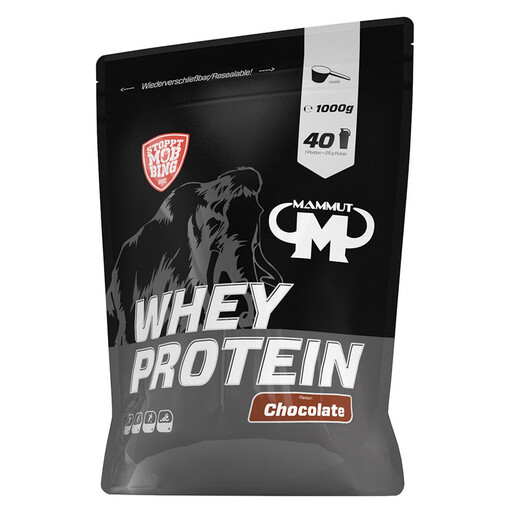
Why it's a great fit: Ideal for anyone looking for a solid, straightforward whey protein concentrate. It focuses on the essentials: a good protein source to support muscle growth and maintenance, without unnecessary and expensive additives.
This product avoids overloaded formulas and offers a clear, transparent composition. The focus is on pure whey concentrate, ensuring excellent value for money.
Based on high-quality whey protein concentrate. Its good mixability ensures easy, clump-free preparation.
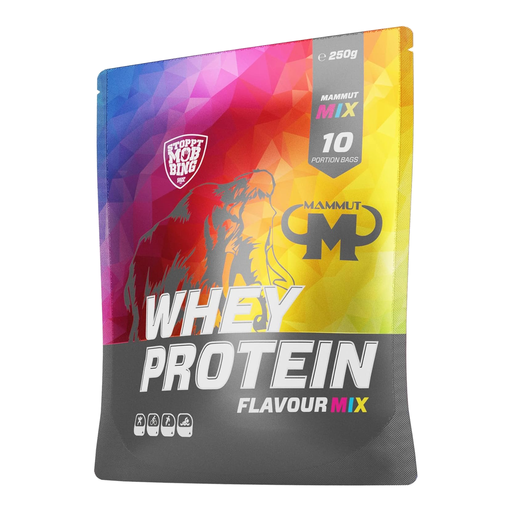
Why it's a great fit: Perfect for anyone who doesn't want to commit to a large tub without knowing the taste. This box offers 10 different flavours in convenient single-serving sachets to try.
It solves the problem of buying a large supply of a protein powder you might not like the taste of, preventing an expensive product from going to waste.
Allows you to sample 10 different flavours. The single-serving sachets are convenient for on-the-go use and ensure precise dosage.
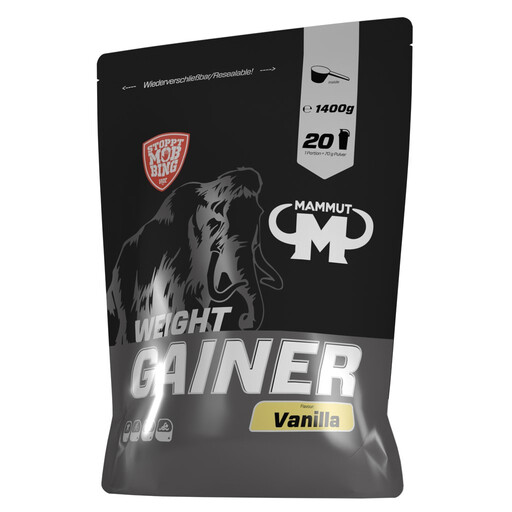
Why it's a great fit: Specially developed for athletes and "hardgainers" who need a calorie surplus to gain weight. This product is not a pure whey protein but a carbohydrate-protein concentrate.
It prevents the mistake of buying a pure protein powder when the actual goal is weight gain. Its clear positioning as a Weight Gainer ensures users get the right tool for their objective.
Offers a high carbohydrate content (approx. 80%) and a multi-component protein source to support mass building. Also contains added creatine.
We've compiled a complete, up-to-date list of products that fully meet these strict selection criteria.
The main difference lies in their composition and purpose. Whey Protein is a protein powder with high protein content and low carbohydrates or fat. It primarily serves to support muscle maintenance and growth. A Weight Gainer, on the other hand, is a high-calorie powder with a very high proportion of carbohydrates and a moderate amount of protein. It is designed to increase calorie intake and facilitate weight gain.
Modern protein powders like Mammut Nutrition Protein are designed for good mixability in both liquids. Preparing it with water provides a pure protein shake with fewer calories. Mixing it with milk makes the shake creamier and adds extra nutrients like protein, calcium, and calories. The choice depends on your personal preferences and dietary goals.
Most manufacturers recommend one serving per day, ideally right after your workout to support muscle recovery. However, a protein shake is a dietary supplement, not a replacement for a balanced diet. The total number of shakes should be adjusted to your individual protein needs and training intensity. Always follow the recommended usage on the product packaging.