
Lieferung heute & morgen

Qualitätsgarantie

Willkommens-Angebote freischalten: KOSTENLOSE Lieferung | Bis zu 80 % RABATT | Kostenlose 30-Tage-JoyPlus-Testphase
App herunterladen
Whey protein is a practical way for many adults, strength athletes and active people to supplement their daily protein intake. The choice ranges from small trial packs to large storage tubs. Differences can be found in protein content, protein source, sweeteners, allergens, flavours and the recommended serving size.
However, simply focusing on the brand name or pack size does not automatically mean you will make the right choice. Three common pitfalls occur particularly often:
First compare the nutritional table for the powder, rather than relying solely on advertising claims on the front of the pack. A whey protein containing 70 to 80 grams of protein per 100 grams may contain different proportions of carbohydrates, fat and flavourings depending on the recipe.
The serving size is also relevant: one serving may be 25, 30, 31 or 32 grams. For a fair comparison, use these values:
A low-sugar protein powder is not automatically free from sweeteners. You should therefore check the ingredients list. Products containing chocolate pieces, biscuit ingredients or cereals may contain additional carbohydrates and allergens.
Whey concentrate is a commonly used form of whey protein. The proportion of protein, lactose and fat depends on the specific recipe. Whey isolate is filtered more extensively and often has a higher protein content as well as fewer accompanying substances. A blend may combine concentrate, isolate and hydrolysed ingredients.
However, the name alone is not enough to base your purchasing decision on. The complete nutritional values and ingredients remain key. Anyone who needs to avoid milk or soya should check the allergen labelling directly on the product. If you have an intolerance or an existing medical condition, it is advisable to seek medical advice.
For a post-workout protein shake, clear dosing instructions and packaging that can be sealed securely are practical features. Typically, 25 to 32 grams of powder are mixed with around 180 to 300 millilitres of water or milk. The manufacturer’s specific recommendation is the one to follow.
A small pouch is ideal if you want to try a flavour first. Large packs can be a sensible choice for regular users, but they should be stored in a dry, cool, dark place and kept tightly sealed. A prepared protein shake should be consumed promptly and not stored for an extended period.
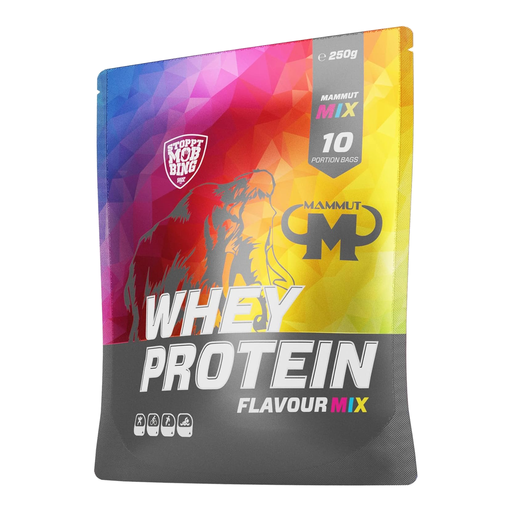
Why this product suits this profile: The box contains ten 25 g sachets in a range of flavours. This reduces the risk of buying a large pack in a flavour you do not enjoy.
The nutritional values and ingredients vary by flavour. You should therefore check the information on the relevant packaging before buying.
25 g servings, ten varieties and whey concentrate as the primary protein source according to the product description.
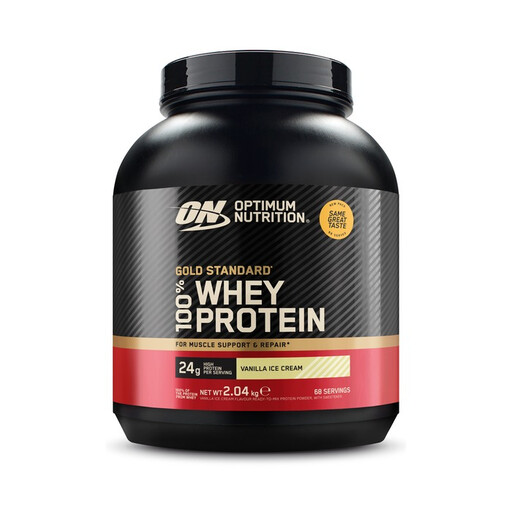
Why this product suits this profile: The stated 32 g serving provides 24 g of protein and 119 kcal. The blend contains isolate, concentrate and hydrolysed ingredients.
The serving size, calories, sugar, fat and allergens are clearly stated. Milk and soya are listed as allergens.
2.02 kg total weight including creatine servings; 63 whey servings according to the technical data.
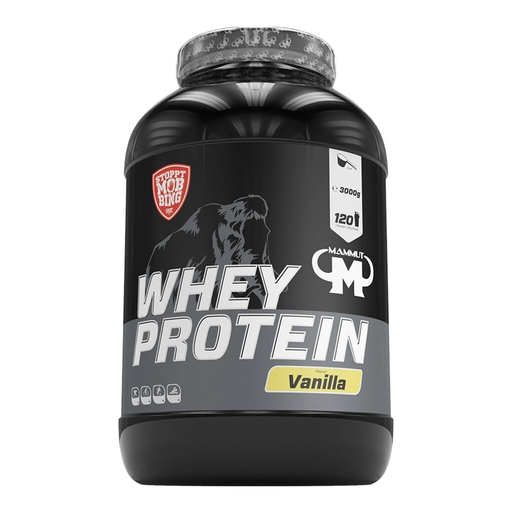
Why this product suits this profile: The large tub is designed for regular use. According to the product information, a 25 g serving contains an average of 27 g of protein when prepared with milk.
The figure with milk is not presented as the same as the powder value. For calories and sugar, refer to the table for the relevant flavour.
3 kg container, scoop and whey concentrate; after opening, follow the manufacturer’s storage and consumption instructions.
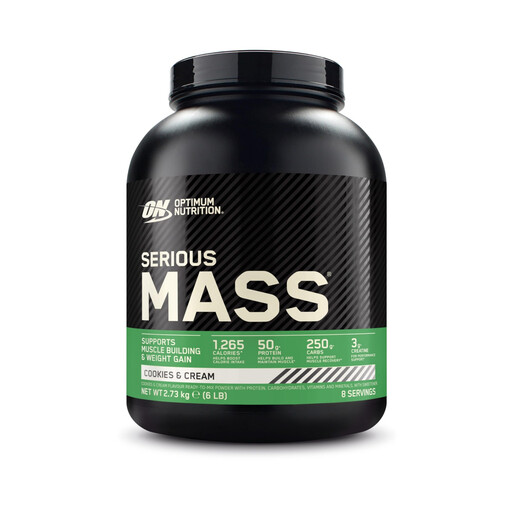
Why this product suits this profile: This is not a classic whey protein, but a high-calorie powder containing around 50 g of protein and more than 1,250 kcal per stated serving.
The very large serving of around 340 g makes it clear that this is not a low-calorie protein shake. This prevents it from being confused with standard protein powder.
50 g of protein, more than 1,250 kcal and 3 g of creatine per stated serving; also contains carbohydrates, vitamins and minerals.
We have put together a complete, regularly updated list of products that fully meet these strict selection criteria and the safety regulations applicable in the EU.
Depending on the product, around 25 to 32 grams of powder is usual. The dosing recommendation on the packaging is the one to follow. It is also important to consider how much protein you already get from your normal diet. A protein shake is a supplement, not a replacement for a varied diet.
No. Whey protein can be used after training, between meals or at another time of day. When choosing a product, protein content, tolerability, ingredients and calories are the main considerations. The exact timing is less important than an overall diet that suits your needs.
This depends on the pack size and how much you use. At 30 grams per serving, 450 grams will provide approximately 15 servings, while 2,000 grams will provide around 66 servings. The actual shelf life depends on the best-before date, storage conditions and the manufacturer’s information. If you notice moisture, an unusual smell or significant clumping, you should stop using the product.