
Lieferung heute & morgen

Qualitätsgarantie

Willkommens-Angebote freischalten: KOSTENLOSE Lieferung | Bis zu 80 % RABATT | Kostenlose 30-Tage-JoyPlus-Testphase
App herunterladen
Anyone looking to buy Whey Protein will quickly find a wide choice of brands, flavours and pack sizes. But an eye-catching label or high protein content alone says little about whether a product suits your everyday routine. What matters is the nutritional value per serving, the protein source, the ingredients list and the intended use.
This guide from the Joybuy Product Recommendation Officer helps athletes, strength trainers, fitness enthusiasts and active adults assess marketing claims objectively and avoid common purchasing mistakes.
Some manufacturers state the value per 100 g, while others give the protein content per serving or even per serving prepared with milk. A shake made with milk naturally contains more protein and calories than the same amount of powder mixed with water.
Always compare:
A product containing 75 g of protein per 100 g is not automatically better suited to every purpose than a powder containing 71 or 74 g. Taste, tolerability and serving size also play a part.
Whey Protein Isolate undergoes more processing than Whey Protein Concentrate and often has a higher protein content. However, it is still a dairy product and is not suitable for people with a milk or whey protein allergy. The lactose content also varies from product to product.
If you need to avoid dairy ingredients, check the allergen information on the packaging and do not rely solely on terms such as “isolate” or “light”.
A Mass Gainer is designed for people who want to consume additional calories and carbohydrates. Depending on the variant, Optimum Nutrition Serious Mass provides around 1,250 to 1,268 kcal, approximately 50 g of protein and more than 250 g of carbohydrates per large serving.
This means that such a product is not comparable with a classic Whey Protein as part of a calorie-conscious diet. If your main aim is to supplement your daily protein intake, a standard Whey Protein powder is usually the more targeted choice.
A classic Whey Protein usually consists of Whey Protein Concentrate, Whey Protein Isolate or a blend of both. Depending on the recipe, a concentrate may contain more carbohydrates and fat. An isolate often has a higher protein content. The specific nutrition table is more important than the wording on the front of the pack.
A multi-component protein, on the other hand, combines different protein sources, such as whey, milk, egg and soya protein. This means its composition can differ significantly from that of a pure Whey Protein. According to the product details, Mammut Nutrition Formula 90 Protein Powder Chocolate contains, among other ingredients, soya protein isolate, Whey Protein Concentrate, milk protein and egg protein.
Check how many servings a pack actually contains. Small 300-g packs are ideal for trying out a flavour, while 2- or 3-kg packs may be more economical for regular users. Depending on the product, a Protein Shake is prepared with around 180 to 300 ml of water or milk.
Also follow the manufacturer’s guidance on the recommended daily amount. Recommendations vary: some products suggest one to three servings per day, while others recommend a maximum of one serving. The powder should not replace a balanced diet.
A low-calorie protein powder should not only have a high protein content, but also contain moderate amounts of sugar, fat and carbohydrates. Flavoured products often contain sweeteners such as sucralose, acesulfame K or steviol glycosides.
Allergen information is particularly important. The products below list ingredients including milk, soya, egg or gluten-containing cereals. The information on the current packaging is always decisive.
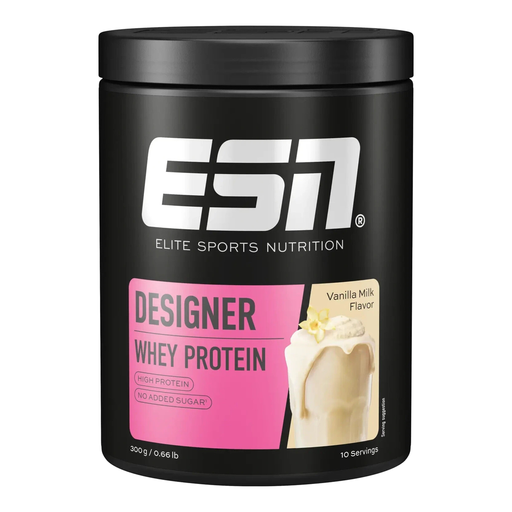
Why this product suits this profile: The 300-g pack offers an accessible introduction to vanilla-flavoured Whey Protein powder. According to the product details, each 30-g serving contains 28.2 g of whey protein blend.
The serving size and the blend of concentrate and isolate are clearly stated. This makes it easier to assess the nutrition table before buying.
300 g contents, 75 g of protein per 100 g according to the product description, and preparation with water or semi-skimmed milk.
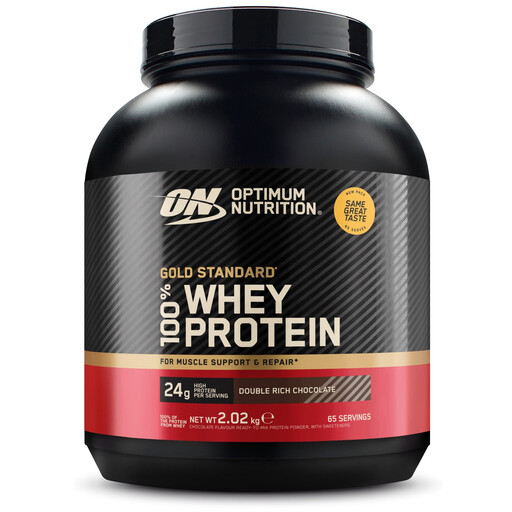
Why this product suits this profile: The large pack is designed for regular use. According to the product details, one 30-g serving provides 23.7 g of protein and 113 kcal.
Protein, calorie, sugar, fat and carbohydrate values are listed per 100 g and per serving. This makes comparison with other products easier.
2,020 g pack size, whey blend with isolate, plus variants including vanilla, chocolate and strawberry protein powder.
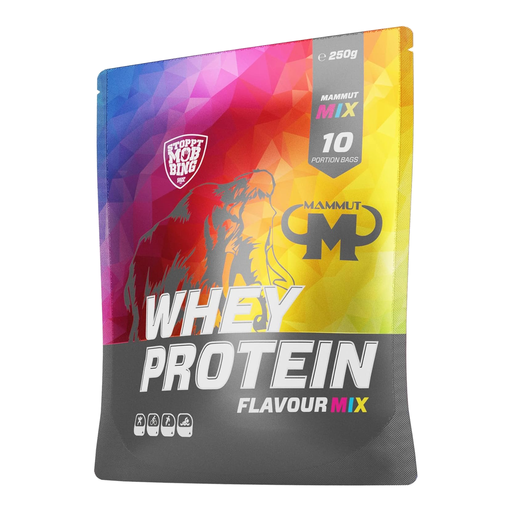
Why this product suits this profile: Ten individual servings in different flavours are ideal for trying new varieties and taking with you to the gym or office.
The individual sachets reduce the risk of buying a large pack in a flavour you do not enjoy. Ingredients vary by flavour and should be checked individually.
25 g per sachet, 27 g of protein per serving with milk according to the product details, and several flavours including chocolate, strawberry and vanilla.
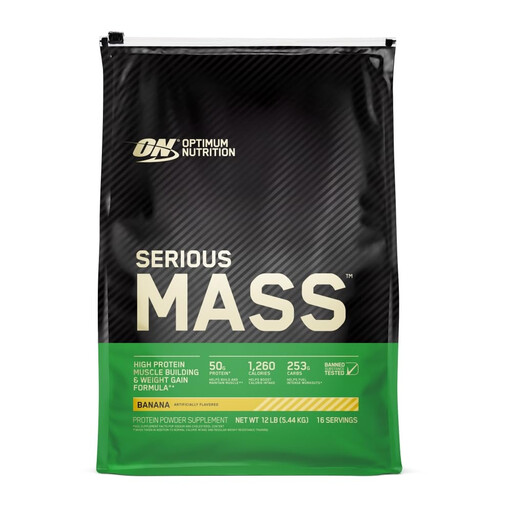
Why this product suits this profile: This Mass Gainer is intended for people who want to significantly increase their daily energy and carbohydrate intake and need a large pack.
The high calorie and carbohydrate content is clearly stated. This helps prevent accidentally confusing a Mass Gainer with a low-calorie protein powder.
5,450 g contents, providing 1,260 kcal, 50 g of protein and 250 g of carbohydrates per 335-g serving according to the product details.
We have put together a complete, regularly updated list of products that fully meet these strict selection criteria and the safety regulations applicable in the EU.
To prepare a Protein Shake, mix the powder with water, milk or a suitable plant-based drink according to the instructions on the packaging. A shake can, for example, provide protein after training or serve as a supplement between meals. The exact timing is less important than your overall daily diet and choosing an appropriate serving size.
Store Whey Protein powder in a dry place, tightly sealed and protected from direct sunlight. Shakes that have already been prepared should be consumed promptly and not kept unrefrigerated for extended periods. If you have allergies, an existing medical condition, are pregnant or breastfeeding, or take medication, it is advisable to consult a doctor.
When unopened, the best-before date shown on the packaging applies. Once opened, the powder should be stored in a dry place and kept tightly sealed. Some product details recommend using the contents within three to four months. The instructions from the relevant manufacturer are always decisive.
Whey Protein can contribute to your daily protein intake. According to authorised nutrition claims, protein contributes to the growth and maintenance of muscle mass. Building muscle also requires suitable strength training, sufficient energy intake, sleep and an overall balanced diet. Protein powder is not a substitute for a complete diet.
Whey Protein comes from whey and is usually available as a concentrate, isolate or blend. Multi-component protein contains several protein sources, such as milk, egg, soya and whey protein. The right choice depends on the nutritional values, tolerability, allergens, flavour and intended use.