
Lieferung heute & morgen

Qualitätsgarantie

Willkommens-Angebote freischalten: KOSTENLOSE Lieferung | Bis zu 80 % RABATT | Kostenlose 30-Tage-JoyPlus-Testphase
App herunterladen
Anyone looking to buy whey protein will find numerous products with similar packaging, different formulations and widely varying portion sizes. For athletes, strength trainers and active adults, the brand name alone is therefore not the deciding factor. More important are the actual protein content, protein source, nutritional values, ingredients list and intended use.
Depending on the product, one serving may weigh 25, 30, 31 or even 340 grams. A value such as “24 grams of protein per serving” is therefore only meaningful when the serving size is also taken into account. For a fair comparison, look at the protein content per 100 grams of powder.
Across the available products, this figure ranges from around 71 grams in certain Mammut or ESN variants to 79 grams in selected Optimum Nutrition varieties. Flavour, sweeteners and additional ingredients can affect these values.
Whey isolate and whey concentrate are different forms of whey protein. Isolate often has a higher protein content and lower amounts of fat or carbohydrates. Depending on the formulation, concentrate may contain more of the milk’s naturally occurring accompanying components.
Many products use a blend of isolate, concentrate and hydrolysed ingredients. This is not automatically a disadvantage. What matters is whether the blend suits your dietary goals, budget and desired tolerance.
Whey protein is a protein powder to supplement your daily protein intake. It does not replace a balanced and varied diet. Even a low-calorie protein powder can become a considerably more energy-dense drink when mixed with milk, oats, nut butter or fruit.
If you have allergies to milk, soya, gluten, egg or nuts, check the ingredients and allergen information on the relevant packaging. The details may vary depending on the flavour and pack size.
Start by comparing:
A product providing 24 grams of protein at around 113 to 119 kilocalories per serving may be suitable for a classic post-workout protein shake or as a supplement between meals. A weight gainer such as Optimum Nutrition Serious Mass, on the other hand, serves a different purpose: according to the product information, a serving of around 340 grams provides more than 1,250 kilocalories, at least 50 grams of protein and more than 250 grams of carbohydrates. This is not a low-calorie protein powder, but an energy-dense blend for people with increased calorie requirements.
Check whether the product consists mainly of whey isolate, whey concentrate or a combination of the two. With BCAA protein, it is also worth noting that BCAAs occur naturally in whey protein. An additional BCAA claim alone says nothing about the overall quality of the powder.
Additives are also relevant: sweeteners, thickeners, cocoa, chocolate pieces, enzymes or vitamin blends can affect flavour, nutritional values and tolerance. For example, ESN Designer Whey contains blends of ultrafiltered concentrate and microfiltered isolate. Depending on the variant, Mammut Whey Protein focuses on whey concentrate.
A powder that you use regularly should suit your personal taste and preparation method. Small packs or sample boxes reduce the risk of buying several kilograms of a flavour you do not enjoy. For frequent users, larger containers can reduce packaging waste and the price per serving, provided the product is used within the stated shelf life.
Preparation instructions often recommend 180 to 300 millilitres of water or milk. Water keeps the calorie content lower, while milk usually provides more overall energy and a creamier consistency. The finished drink should be consumed promptly, and the powder should be stored somewhere dry and cool in a tightly sealed container.
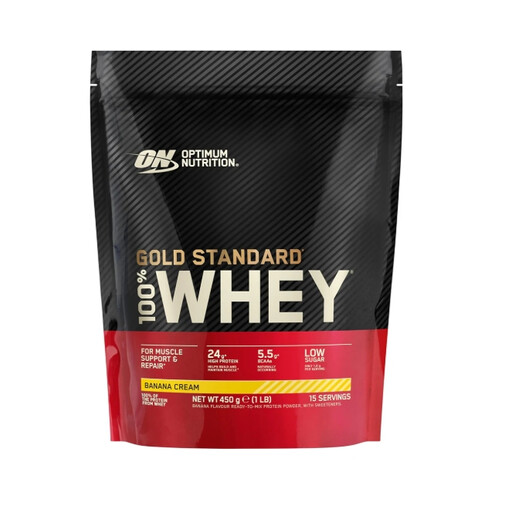
Why this product suits this profile: The 450 g pack offers an easy way to get started without committing to a large quantity. According to the product information, one 31 g serving provides around 24 g of protein and 115 kilocalories.
The smaller quantity reduces the risk of buying a large tub of a flavour that does not suit you.
A blend of whey isolate, concentrate and hydrolysed whey; can be prepared with water or milk.
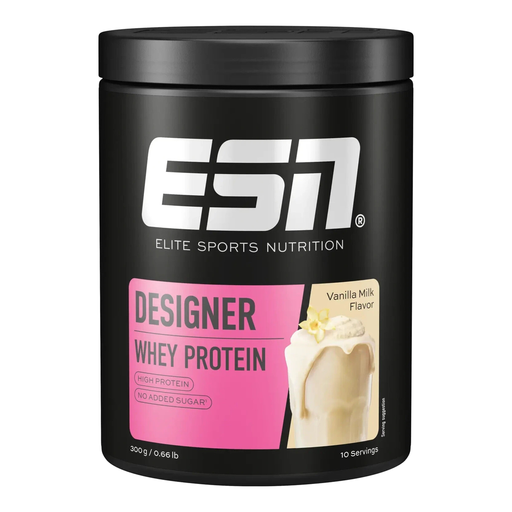
Why this product suits this profile: According to the product description, the formula combines whey concentrate and whey isolate. It provides 75 g of protein per 100 g.
Looking at the stated protein content prevents flavour or marketing claims from becoming the only purchasing criteria.
30 g serving; according to the product information, with 0.9 g of fat and less than 1 g of sweeteners per serving.
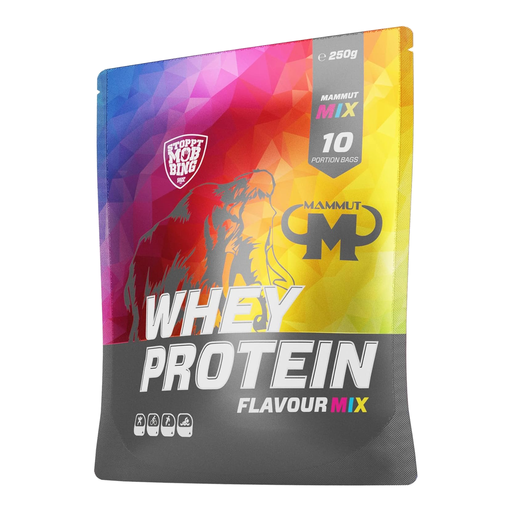
Why this product suits this profile: The sample box contains ten individually portioned flavours, making it ideal for taking on the go or comparing different varieties.
Individual sachets help prevent disappointing purchases of large packs and make portion control easier.
Whey concentrate base; according to the product description, 27 g of protein per serving and 13.2 g of BCAAs per 100 g.
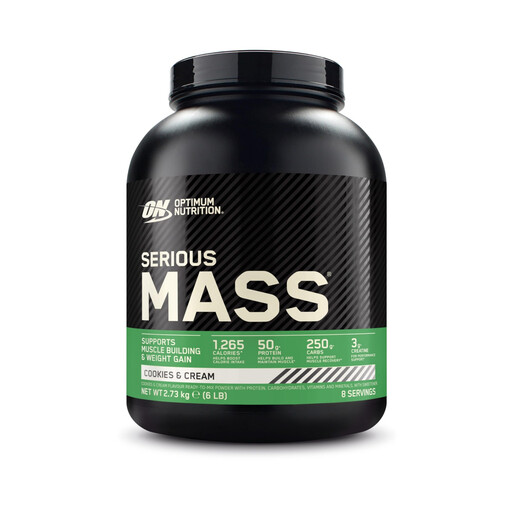
Why this product suits this profile: The formula is aimed at adults looking for a drink that provides not only protein but also a high intake of carbohydrates and calories.
Clearly identifying it as a high-calorie blend prevents it from being mistakenly compared with a low-calorie whey powder.
According to the product information, more than 1,250 kilocalories, at least 50 g of protein and 3 g of creatine per full serving.
We have put together a complete, regularly updated list of products that fully meet these strict selection criteria and the safety regulations applicable in the EU.
A post-workout protein shake is particularly convenient when a protein-rich meal is not readily available. However, your total daily intake, regular diet and individual energy requirements are what matter when choosing a product. Depending on the formulation, the powder can be mixed with water, milk or smoothies, or added to porridge and baked goods.
For products containing creatine, vitamins or minerals, follow the relevant intake recommendation on the label. Food supplements are not intended for children. If you have an existing medical condition, take medication, are pregnant or breastfeeding, seeking medical advice is recommended.
The best-before date and storage instructions on the packaging are the key reference points. Store the powder somewhere dry, cool and protected from light, and seal it tightly after every use. Moisture can affect its consistency and ease of preparation.
There is no single amount that suits everyone. You should take into account your body weight, training volume, diet and the protein sources you have already consumed. Do not exceed the recommended serving for the product in question. Whey protein supplements your diet and should not be used as your sole source of nutrition.
Not necessarily. Whey isolate may be appealing if you want a higher protein content and lower levels of fat or carbohydrates. Whey concentrate or a blend may also suit other users and budgets. The key factors remain the ingredients list, nutritional values, tolerance, flavour and price per 100 grams.