
Lieferung heute & morgen

Qualitätsgarantie

Willkommens-Angebote freischalten: KOSTENLOSE Lieferung | Bis zu 80 % RABATT | Kostenlose 30-Tage-JoyPlus-Testphase
App herunterladen
Anyone looking to buy whey protein will find a wide range of products, flavours and pack sizes. At first glance, many offers appear similar: whey protein powder, a creamy whey protein shake and a high protein content. However, differences become clear when you look at the protein source, ingredients list, serving size, calorie content and price per serving.
This buying guide from the Joybuy Product Recommendation Officer helps you assess marketing claims objectively and choose a whey protein that suits your training and eating routine.
A statement such as “24 g protein per serving” is only meaningful if the serving size is known. Depending on the product, one serving may weigh 25, 30 or more than 300 g. For a fair comparison, you should always consider the protein content per 100 g as well as the price per 100 g of protein.
Whey concentrate generally contains slightly more fat, carbohydrates and lactose alongside the protein. Whey isolate is filtered more extensively and often has a higher protein content per 100 g. A blend of isolate, concentrate and hydrolysed whey protein is not automatically better suited to everyone’s needs. The decisive factors are the nutritional values, ingredients list and your personal tolerance.
Chocolate pieces, biscuit ingredients or particularly elaborate flavourings can increase the carbohydrate and calorie content. Sweeteners, soya lecithin, milk ingredients and gluten-containing ingredients should also be checked before buying. If you are looking for a low-calorie protein powder, compare the energy content per serving mixed with water rather than relying solely on terms such as “light” or “low sugar”.
A classic protein powder for muscle building is often based on whey concentrate, whey isolate or a combination of both. According to the respective product information, the products listed here provide, for example, between 71 and 79 g of protein per 100 g of powder. This value refers to the powder itself, not to a shake prepared with milk.
A high protein content can be useful for people who want to supplement their daily protein intake. However, it is not a substitute for a varied diet. Body weight, training volume, dietary habits and personal goals are all relevant when determining your individual protein requirements.
For a serving of whey protein, you should compare at least the following values:
According to the product information, Optimum Nutrition Gold Standard 100% Whey provides approximately 113 kcal and around 22.2 to 24 g of protein per serving, depending on the variant. Nutritional values may vary according to flavour and recipe. The packaging for the selected variant should therefore always be regarded as definitive.
Small packs of 250 to 450 g are suitable if you want to try a flavour as part of your daily routine before buying a larger pack. For regular users, 2,000-g or 3,000-g packs can reduce the number of repeat purchases. To work this out, calculate the price per serving and take the recommended dosage into account.
A whey protein shake is usually mixed with water or milk. Milk increases the energy and carbohydrate content and can alter the consistency. For a more neutral nutritional comparison, water is the more suitable base.
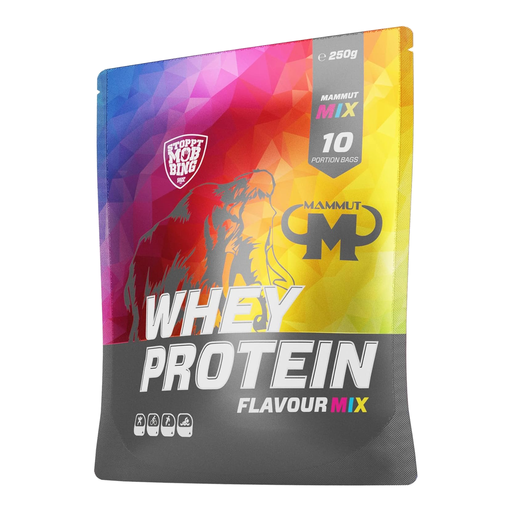
Why this product suits this profile: According to the product information, the pack contains ten servings in different flavours. This is practical if you want to try several varieties before committing to a larger pack.
The individual servings reduce the risk of buying a large pack in a flavour you do not like. Ingredients vary depending on the variety and should be checked individually.
Ten 25-g servings and several flavours; according to the product information, around 27 g of protein per serving when prepared with milk.
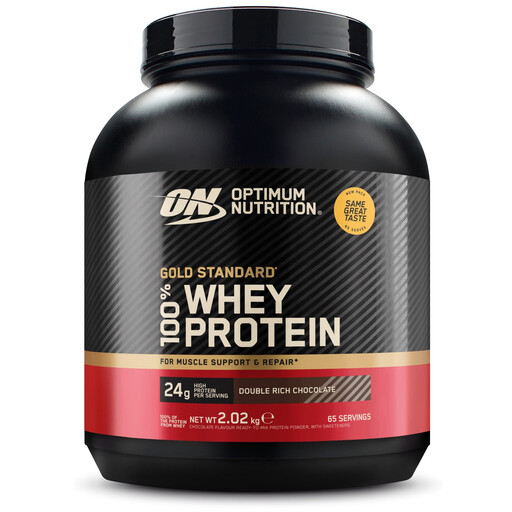
Why this product suits this profile: According to the product information, the recipe combines whey isolate, concentrate and hydrolysed whey. A large pack may be suitable for regular training sessions and daily protein shakes.
The product description provides specific serving and nutritional information. As these may vary depending on the flavour, you should check the selected variant before placing your order.
According to the product information, 24 g of protein and 113 kcal per 30-g serving; resealable large pack and versatile use in shakes, porridge or recipes.
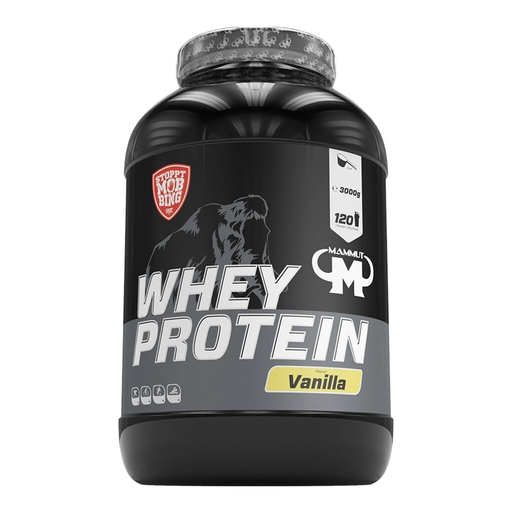
Why this product suits this profile: According to the product information, this large pack is aimed at users who prepare whey protein regularly and prefer to keep a larger supply at home.
The stated serving size and recommended storage conditions make planning easier. With large packs, the shelf life, dry storage and regular consumption should all be compatible.
3,000-g pack with scoop; according to the product information, around 27 g of protein per serving and several ways to use it, such as in a shake or as a snack between meals.
We have put together a complete, regularly updated list of products that fully meet these strict selection criteria and the safety regulations applicable in the EU.
For a classic post-workout protein shake, around 25 to 32 g of powder is mixed with 180 to 300 ml of water or milk, depending on the product. The specific dosage stated on the packaging is definitive. A shaker makes preparation easier; with mixtures that tend to clump, using enough liquid and storing the powder in a dry place can help.
BCAA protein is often not a separate product type. Whey naturally contains branched-chain amino acids such as leucine, isoleucine and valine. The overall protein and nutritional value of the product remain the key factors, rather than the highlighted BCAA content alone.
Look out for allergens such as milk, lactose and soya. If you have an existing medical condition, take medication, are pregnant or are unsure about using the product, it is advisable to seek medical advice. Food supplements are not a substitute for a balanced diet.
The best-before date applies to the unopened original packaging. Once opened, the powder should be stored in a dry, cool place away from light and kept tightly sealed. The manufacturer’s specific recommendation takes precedence. If the product develops an unusual smell, becomes damp or has an unusual taste, it should not be used further.
Depending on your daily routine, a whey protein shake can be consumed in the morning, between meals or around your workout. There is no need for everyone to follow a fixed timing. More important is ensuring that your daily protein intake is covered sensibly through your diet and, where appropriate, a supplement.
Not necessarily. Whey isolate often has a higher protein content and lower amounts of fat or carbohydrates. However, the actual values depend on the recipe, flavour and added ingredients. You should therefore always compare the nutrition table for the specific pack.