
Lieferung heute & morgen

Qualitätsgarantie

Willkommens-Angebote freischalten: KOSTENLOSE Lieferung | Bis zu 80 % RABATT | Kostenlose 30-Tage-JoyPlus-Testphase
App herunterladen
The protein powder market can be overwhelming. Countless brands make promises of rapid muscle growth, but not every product delivers. As a Joybuy Product Recommendation Officer, I'm here to help you separate fact from fiction. Before you buy your next Whey Protein, you should know the most common pitfalls that can lead to a poor purchasing decision.
A common marketing trap is vaguely labelled "protein blends." These often consist mainly of less expensive whey concentrate, while the proportion of higher-quality isolate is minimal. Another issue is hidden sugar. Some products contain a significant amount of carbohydrates and sugar, making them more of a "weight gainer" than a pure protein powder. Finally, exotic additives, often included only in trace amounts, drive up the price without offering any proven benefit.
To make an informed decision, you should focus on three objective parameters. These will help you evaluate the quality of a protein powder, regardless of marketing claims.
The type of whey protein is crucial for its properties. The three main forms are:
The "protein per serving" figure can be misleading, as serving sizes vary from one manufacturer to another (e.g., 25g vs. 40g). A more reliable indicator of quality is the protein content per 100g of powder. A high-quality product should have a value of at least 75g here. This metric allows for a direct and fair comparison between different products.
Take a close look at the ingredients list. A short list is often a good sign. Pay attention to the position of sugars and fillers. Ingredients like maltodextrin, glucose syrup, or fructose should only be present in small amounts, if at all. A good Protein Shake focuses on the essentials: high-quality protein to support your goals.
Based on the objective criteria mentioned above, we have compiled a selection of products suitable for different user profiles.
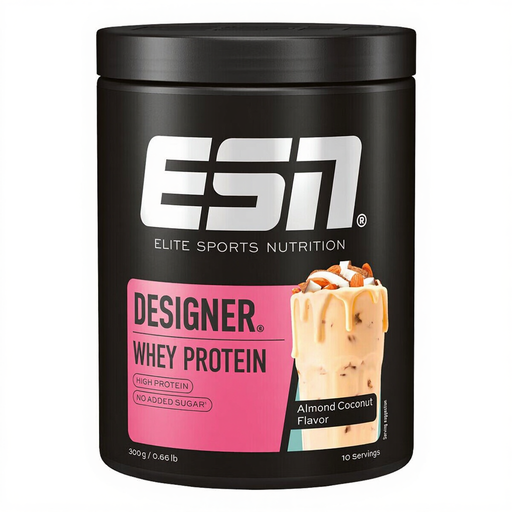
Why This Fits Their Persona: Offers a solid protein base of concentrate and isolate with a focus on taste and solubility, ideal for starting out without a high initial investment.
Transparent blend of concentrate and isolate, not hidden behind vague terms. The sugar content is low, as it's sweetened with safe alternatives.
A balanced nutritional profile and quality well-known in Germany, prized for its excellent solubility and taste.
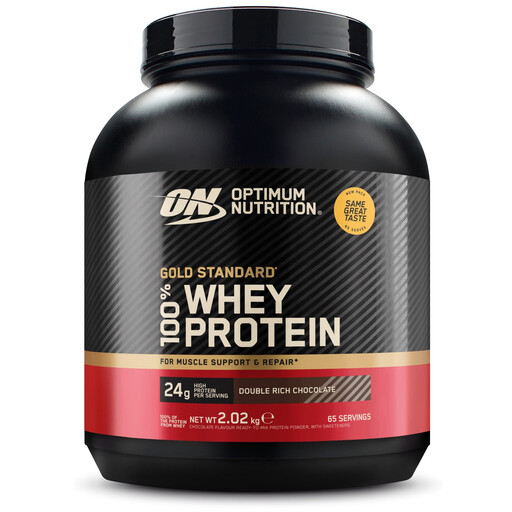
Why This Fits Their Persona: Ideal for athletes who prioritise rapid post-workout nutrient delivery and prefer a high degree of purity to maximise recovery.
The main ingredient is Whey Protein Isolate, the highest-quality form. This bypasses the trap of inferior blends. The sugar content is minimal, at around 1 gram per serving.
High protein content of approx. 79g per 100g and 5.5g of naturally occurring BCAAs per serving to support muscle growth.
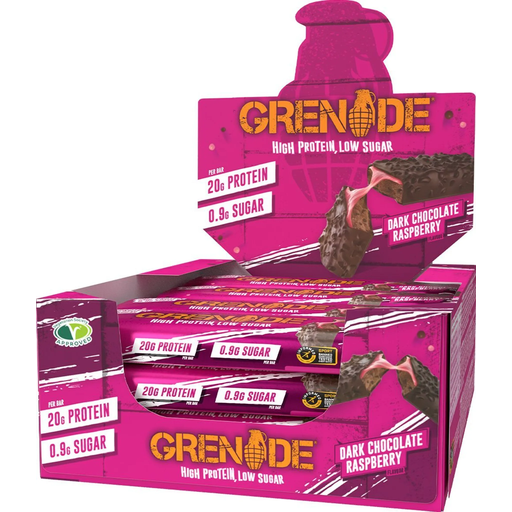
Why This Fits Their Persona: Perfect for individuals with an active lifestyle who need a quick and hassle-free protein source on the go or as a snack between meals.
Delivers 20g of protein with minimal sugar, thus avoiding the "disguised candy bar" trap common to many other protein bars.
Multi-layered texture for a satisfying taste experience, combined with a high protein content for satiety and muscle support.
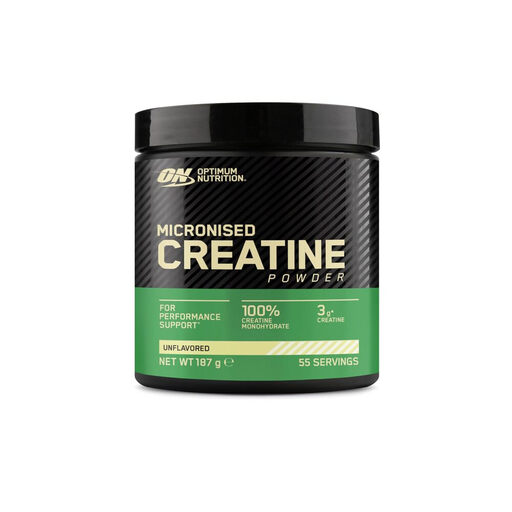
Why This Fits Their Persona: For athletes looking to boost their performance during short-term, high-intensity exercise and who want a pure, easily dissolvable addition to their Protein Shake.
Offers pure Creatine Monohydrate without unnecessary fillers or expensive, unproven additives. The focus is on a single, proven ingredient.
Micronised powder for excellent solubility. Unflavoured, making it flexible to combine with other drinks or shakes.
We have compiled a complete, up-to-date list of products that fully meet these strict selection criteria.
Whey protein is a macronutrient (protein) derived from milk that supplies the body with essential amino acids. It primarily serves to support muscle growth and maintenance. Creatine, on the other hand, is a substance naturally found in the body that plays a central role in the energy metabolism of muscle cells. A daily intake of 3g of creatine is proven to increase physical performance in successive bursts of short-term, high-intensity exercise. Both supplements work in different ways but can be combined to optimise performance.
The recommended amount depends on individual factors such as body weight, training intensity, and overall diet. A general guideline for active individuals is to take 1 to 2 servings (totalling approx. 20–40g of protein) per day. A Protein Shake is particularly beneficial after a workout to support muscle recovery. However, it should be viewed as a supplement to a balanced diet, not as a meal replacement.
Yes, taking whey protein on non-training days can be beneficial. Your muscles also recover and grow on rest days, for which a consistent protein supply is advantageous. A shake can help you meet your daily protein requirements, especially if it's difficult to achieve through your regular diet alone.