Lieferung heute & morgen

Qualitätsgarantie

Willkommens-Angebote freischalten: KOSTENLOSE Lieferung | Bis zu 80 % RABATT | Kostenlose 30-Tage-JoyPlus-Testphase
App herunterladen
There is a unique quality to the silence of an early morning. It is the time before the world awakens, where actions take on a special clarity and intent. Whether it's the rhythmic sound of running shoes on damp asphalt or the focused tension of a muscle under load, physical exertion is a dialogue with oneself. These moments of discipline are like the work of an architect: every building block, every repetition, and every deliberate pause contributes to the construction of a solid structure. Caring for the body follows principles similar to designing a well-conceived living space. It requires planning, high-quality materials, and a deep understanding of the underlying structures.
At its core, every form of strength training is a process of targeted breakdown and rebuilding. Microscopic tears in the muscle fibres signal to the body the need for repair and reinforcement. This regenerative process, known as muscle protein synthesis, is the biological foundation of muscle growth. To facilitate this efficiently, the body requires an adequate supply of building blocks—amino acids. Proteins are the macronutrients that provide these essential amino acids.
In this context, a protein powder serves as a functional tool. It allows for a precise and timely supply of the necessary nutrients to the body, especially in the critical windows before and after training. Choosing the right protein powder for muscle growth depends on individual goals, digestive tolerance, and the desired nutrient profile. The most common form is whey protein, a protein derived from whey, valued for its complete amino acid profile and rapid digestibility.
Within this category, there are further differentiations. Whey protein concentrate is the most basic form and contains small amounts of fat and lactose in addition to protein. For individuals with higher sensitivity or the goal of minimising carbohydrate and fat intake, whey isolate presents a more refined alternative. Through additional filtration processes, the protein content is increased while lactose and fat are almost completely removed. A crucial factor for effectiveness is the branched-chain amino acids (BCAAs): leucine, isoleucine, and valine. These specific amino acids, often available as a separate BCAA powder, play a key role in activating muscle protein synthesis. A high-quality whey protein is characterised by a naturally high content of these amino acids.
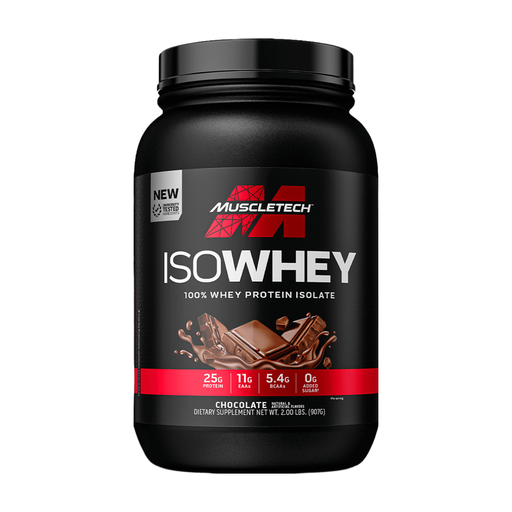
Selecting a protein powder is as personal a decision as choosing the materials for a home. It should be based on function, quality, and seamless integration into daily life. For athletes seeking a time-released nutrient delivery, a multi-component blend like the Mammut Nutrition Formula 90 Protein Powder can be beneficial. It combines various protein sources such as soy, milk, whey, and egg to ensure a staggered supply of amino acids. In contrast, a pure isolate like the MuscleTech ISO Whey 100% Whey Isolate provides rapidly available proteins, making it particularly suitable for immediate post-workout consumption.
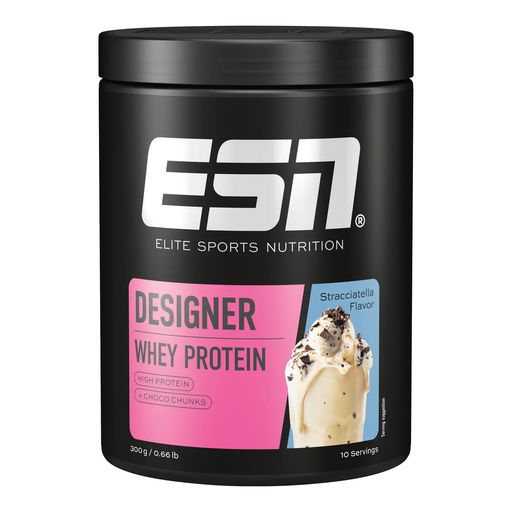
The protein shake has long been more than just a functional beverage. It is a ritual that marks the end of a training session and prepares the body for recovery. The sensory experience plays a role that should not be underestimated. Brands like ESN and Mammut Nutrition have recognised this and offer thoughtfully crafted flavour profiles. The ESN Designer Whey Protein Milk Chocolate combines whey concentrate and isolate for a creamy texture, while the Mammut Nutrition Whey Protein in Coconut White Chocolate offers a subtle alternative for those looking to vary from classic chocolate flavours. For an even richer experience, the Mammut Nutrition Whey Protein Powder, Strawberry Cheesecake Chocolate Chips even integrates small chocolate chips.
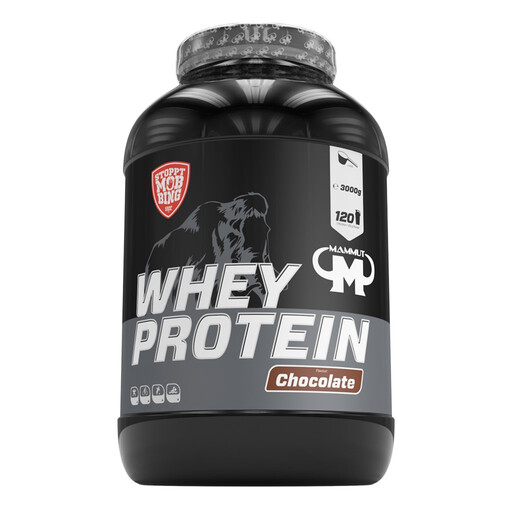
Some formulations go beyond pure protein supply and incorporate other functional ingredients. The MuscleTech Nitro Tech Whey Protein, for example, is enriched with creatine monohydrate, a substance that, according to studies, can increase physical performance in successive bursts of short-term, high-intensity exercise. Other products, like the Warrior Whey - White Chocolate, focus on a high protein content per serving to meet the specific needs of performance-oriented athletes. The availability in various package sizes, from the 1000g pack of Mammut Nutrition Whey Protein, Chocolate to the 3000g bulk tub of Mammut Nutrition Whey Protein - Coconut White Chocolate, allows for adaptation to individual usage frequency and storage.
For those who wish to explore an expanded selection of chocolate-flavoured proteins, the complete Chocolate Whey Protein directory offers further inspiration.