
Lieferung heute & morgen

Qualitätsgarantie

Willkommens-Angebote freischalten: KOSTENLOSE Lieferung | Bis zu 80 % RABATT | Kostenlose 30-Tage-JoyPlus-Testphase
App herunterladen
When buying whey protein powder, people often compare flavour, pack size and price first. These details matter, but they’re not enough on their own to help you choose the right product. Differences in protein source, nutritional values, sweeteners and allergens all affect how practical a protein shake will be in your daily routine.
The amount of protein per 100 g is an important point of comparison. However, a multi-source product may also contain casein, soy or collagen protein. That’s not necessarily a drawback, but it offers a different profile from pure whey made with whey protein concentrate and isolate.
So, check the ingredients list, not just the front of the pack. A whey protein with 75 g of protein per 100 g may be a better fit for your diet than a product with a higher figure if its flavour, tolerability and serving size suit your daily routine better.
A product may contain no added sugar and still provide carbohydrates or sugars from individual ingredients. In flavoured varieties such as vanilla whey protein or chocolate whey protein, cocoa, chocolate pieces or milk ingredients, for example, can affect the nutritional values.
So, compare the figures per serving and per 100 g. If you’re watching your calorie intake, the per-serving figure is particularly useful because it gives you a clearer idea of your actual daily intake.
A powder can mix well with water and still contain ingredients that some people don’t tolerate well. Depending on how it’s processed and the product itself, whey protein may also contain milk ingredients. Soy, lactose, gluten, egg and nuts may be relevant too.
Read the full allergen information. If you have a known allergy or intolerance, are pregnant or breastfeeding, or take medication regularly, seek medical advice before using a food supplement.
Whey protein is made from whey and is commonly sold as whey concentrate, whey isolate or a blend. Isolate may appear near the top of the ingredients list for some products, while concentrates can contain more fat or carbohydrates, depending on the formula. A multi-source protein powder combines different protein sources, which can give it a different consistency and amino acid profile.
These details are useful when comparing products:
Products with naturally occurring BCAAs – branched-chain amino acids such as leucine, isoleucine and valine – don’t necessarily need to contain added BCAA powder. Check whether BCAA values are listed and whether they’re given per serving or per 100 g.
A low-sugar protein powder may appeal if you want to keep the sugar content of your protein shake low. Sweeteners such as sucralose, acesulfame K or steviol glycosides can affect the flavour. If you want to avoid particular sweeteners, check the ingredients list before ordering.
The liquid you use also affects the nutritional values: a shake made with water will have different values from one made with milk. In some cases, the manufacturer’s figures refer specifically to preparation with semi-skimmed milk.
Useful details include the recommended amount of powder, the amount of liquid and whether the product is suitable for a shaker or mixing jug. Typical instructions recommend mixing around 25 to 32 g of powder with 180 to 300 ml of water or milk. Always follow the instructions on the individual pack.
Store protein powder in a dry, sealed place away from light, and follow the manufacturer’s storage instructions. Once opened, products may have a recommended period for use. Drink a prepared protein shake promptly and don’t leave it unrefrigerated for long periods.
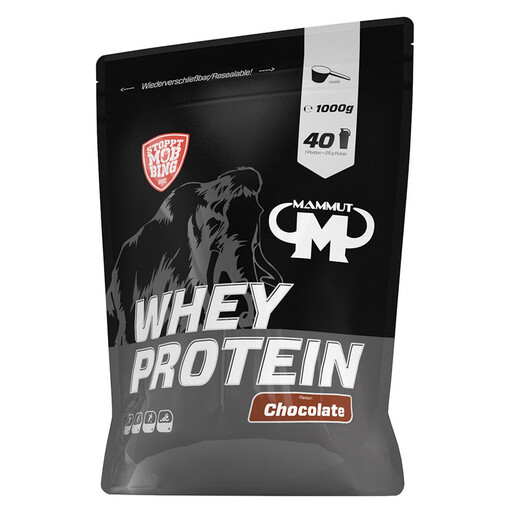
Why it suits this profile: The 1000 g pack offers a manageable way to try chocolate whey protein. According to the product information, one serving provides 27 g of protein when prepared with 300 ml of semi-skimmed milk.
The ingredients list identifies 89% whey protein concentrate. This makes the protein source easier to identify than in a blend whose ingredients aren’t specified in detail.
Whey concentrate, a measuring scoop and instructions for preparing it with water or milk.
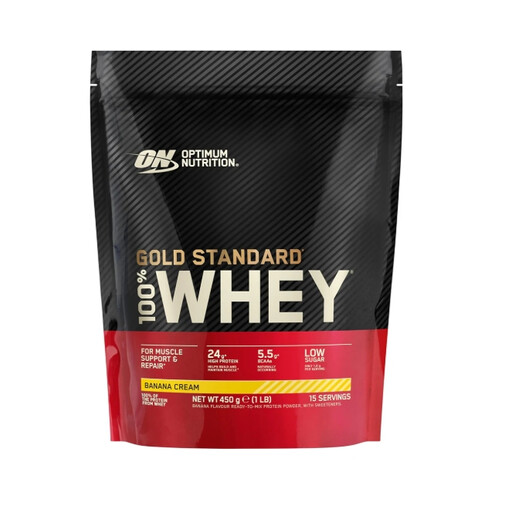
Why it suits this profile: According to the product information, the formula combines whey isolate, whey concentrate and hydrolysed whey peptides. Each 31 g serving provides 24 g of protein.
The nutrition table lists 77 g of protein, 4.4 g of carbohydrates and 2.2 g of sugars per 100 g, making it easy to compare with other products.
24 g of protein per serving and a stated 5.5 g of naturally occurring BCAAs per serving.
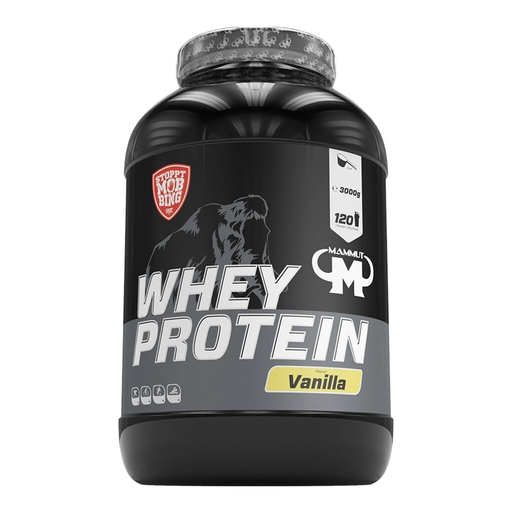
Why it suits this profile: This large pack is designed for regular use. According to the product information, a 25 g serving provides an average of 27 g of protein when prepared with milk as recommended.
The pack size and stated number of servings make it easier to assess the cost per serving, rather than looking at the pack price alone.
Vanilla flavour, a measuring scoop and, according to the supplier, the option to mix with water or milk.
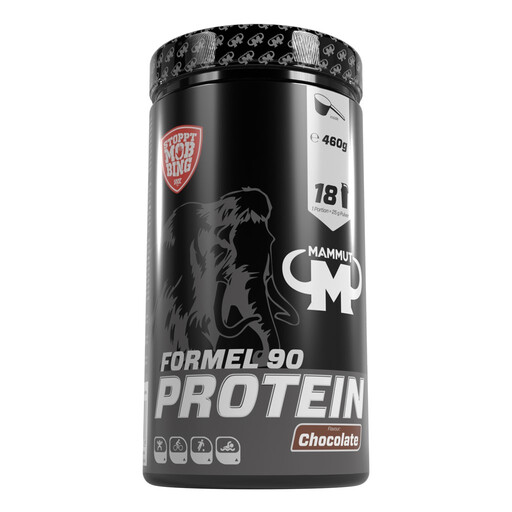
Why it suits this profile: According to the product description, this multi-source protein powder combines soy, milk, whey and egg protein. It’s aimed at adults who specifically prefer a blend of protein sources.
The individual protein sources are listed in the ingredients. This lets you check before buying whether soy, milk, egg and gluten are suitable for you.
78 g of protein per 100 g and vitamin B6, according to the product information; the supplier describes the formula as vegetarian.
We’ve put together a complete, regularly updated list of products that meet these strict selection criteria and fully comply with the safety regulations in force in the EU.
A post-workout protein shake is a convenient way to top up your daily protein intake. However, the exact timing matters less than your overall diet and choosing a suitable serving size. Depending on the product, 25 to 32 g of powder is mixed with water or milk.
Use this simple order of steps to help you choose:
Food supplements shouldn’t replace a varied, balanced diet. Always follow the directions for use and warnings on the relevant pack.
If unopened, follow the best-before date on the pack. Once opened, store the powder in a dry, sealed place away from light. Some suppliers also give a recommended period for use after opening. Follow this guidance and the specific instructions on the packaging.
Add the recommended amount of powder to a shaker, then pour in the amount of cold water or milk stated on the pack. Shake well. If you have a sensitive stomach, it may be sensible to start with a smaller serving and see how you tolerate it.
According to authorised nutrition claims, protein contributes to the maintenance and growth of muscle mass when it’s part of an appropriately balanced diet. Whey protein powder can help supplement your daily protein intake, but it’s no substitute for a balanced diet or suitable strength training.