
Lieferung heute & morgen

Qualitätsgarantie

Willkommens-Angebote freischalten: KOSTENLOSE Lieferung | Bis zu 80 % RABATT | Kostenlose 30-Tage-JoyPlus-Testphase
App herunterladen
Anyone looking to buy whey protein powder will quickly find a wide range of brands, flavours and pack sizes. However, the price alone says little about whether a product is suitable. The key factors are the ingredients list, the actual protein content and the portion size that suits you.
Terms such as “Premium”, “Performance” or “Muscle Formula” do not automatically describe the product’s composition. You should therefore compare the nutritional table per 100 g and per serving. A product providing 24 g of protein per serving may have a significantly different concentration depending on the serving size.
Terms such as BCAA protein should also be put into context. BCAAs are leucine, isoleucine and valine, and occur naturally in milk protein. An additional BCAA supplement is not automatically necessary if you have already chosen a whey product with a suitable amino acid profile.
A 2 or 3 kg container can be practical if you consume protein powder regularly. However, if you are still trying out different flavours, it ties up unnecessary money and increases the risk of storing the powder open for a long time. Smaller packs or individual sachets are better suited to trying a product for the first time.
When choosing protein powder for muscle building and a calorie-conscious diet, you should always check the complete nutritional table. Sweeteners, cocoa, cereal pieces and other added ingredients can affect the carbohydrate and energy content. Also check whether the nutritional values apply to the powder itself or to a shake already prepared with milk.
Whey protein concentrate typically contains not only protein but also milk components such as lactose and some fat. It is a popular base for classic protein shakes and is often associated with a creamy mouthfeel.
Whey protein isolate usually has a higher protein content and lower levels of fat and carbohydrates. An isolate or a blend containing isolate may be appealing if you are paying close attention to your macronutritional values. The exact composition is more important than the name on the front of the pack.
A blended product containing isolate, concentrate and hydrolysed whey can combine different protein fractions. Check the ingredients list in descending order: if protein appears near the top, this indicates that it makes up a substantial proportion of the recipe.
A useful comparison figure is the protein content per 100 g of powder. For the products listed here, this ranges from approximately 71 g to 79 g, depending on the recipe and flavour. You should also consider the recommended serving size:
Nutritional values may vary between flavours. The label on the specific pack is always decisive.
Whey protein contains milk components and may contain lactose. Some recipes also contain soya lecithin, cereals, egg, peanuts or other ingredients. Anyone with allergies or intolerances should check the allergen information before buying and again before consuming the product.
To make a protein shake, 25 to 40 g of powder is usually mixed with approximately 180 to 300 ml of water or milk. Water reduces the additional energy content, while milk can make the shake creamier but also adds extra calories and milk sugar. A shake after training is a convenient way to supplement your daily protein intake, but it is not a substitute for a balanced diet.
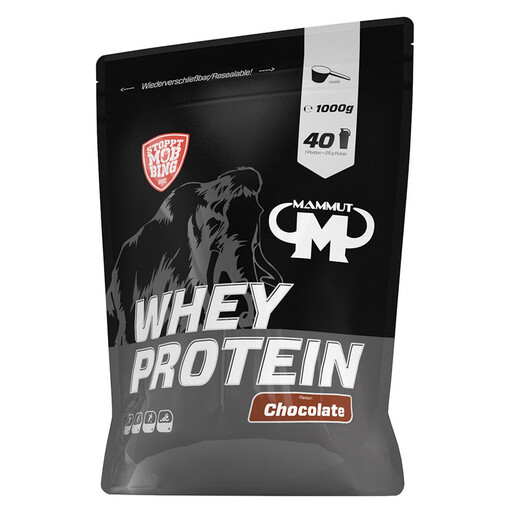
Why this product suits this profile: The 1000 g pack is a manageable size and is suitable for anyone looking to try a classic whey protein concentrate for everyday use or after training.
The ingredients list specifies 89% whey protein concentrate. This makes the protein base clear instead of asking you to rely solely on marketing claims.
27 g of protein per serving according to the product information, with a scoop included and the option to prepare it with water or milk.
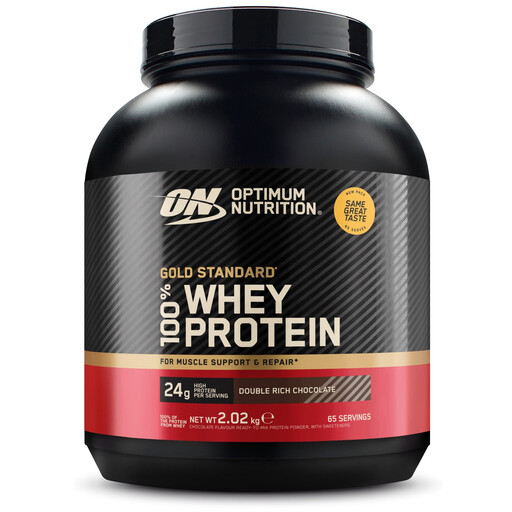
Why this product suits this profile: The recipe combines whey protein isolate, concentrate and hydrolysed whey. This makes it suitable for users who want to compare nutritional values and protein sources in detail.
The pack information states 24 g of protein and 113 kcal per 30 g serving. This allows buyers to compare the protein and energy values directly.
79 g of protein per 100 g according to the product description, a resealable container and versatile use in shakes, porridge or recipes.
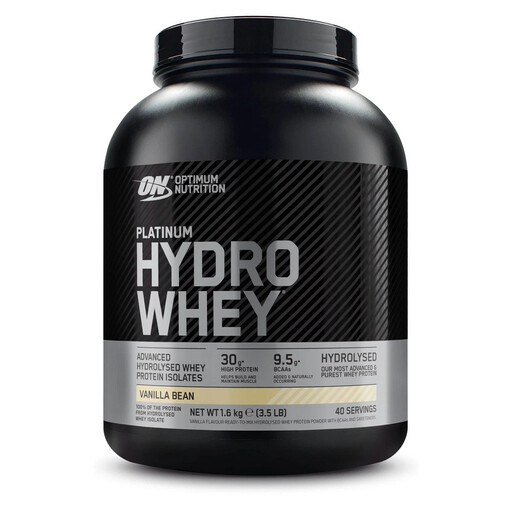
Why this product suits this profile: The recipe is aimed at adults looking for a hydrolysed whey protein isolate with clearly defined portions for intensive training days.
The product information clearly states the ingredients, allergens and serving size. It also specifies 30 g of protein and 8.8 g of BCAAs per 40 g serving.
30 g of protein and 140 kcal per serving according to the product data; prepared with 260 ml of liquid and approximately 40 servings per pack.
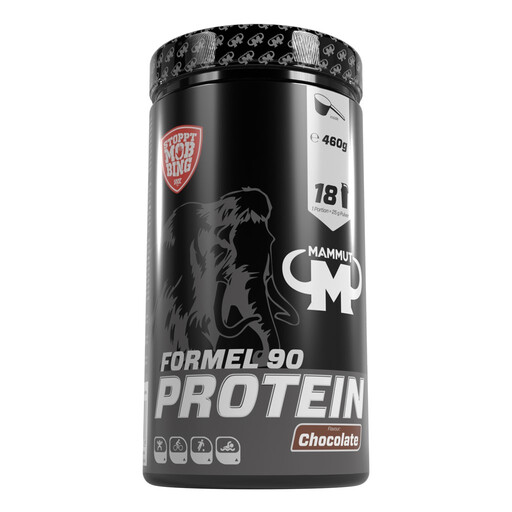
Why this product suits this profile: According to the product information, this multi-component protein combines soya, milk, whey and egg protein. It is therefore appealing to users who prefer several protein sources in one powder.
The four stated protein sources and the protein content of 78 g per 100 g are listed in the product description. This makes the composition easier to assess.
29 g of protein per serving according to the product information, with vitamin B6 included and a vegetarian recipe according to the product description.
We have put together a complete, regularly updated list of products that fully meet these strict selection criteria and the safety regulations applicable in the EU.
Mix the powder according to the instructions on the relevant packaging. A protein shake should ideally be consumed immediately after preparation and should not be left unrefrigerated for an extended period. Store both unopened and opened products in a dry, cool place, protected from light and tightly sealed.
Whey protein is intended for adults and generally contains milk. If you have known allergies, a medical condition, take medication, are pregnant or breastfeeding, seek medical advice before use. Food supplements are not a substitute for a varied and balanced diet.
A shake can be used after training, between meals or at another time of day when you want to supplement your daily protein intake. A specific timing window is not equally necessary for everyone. Your overall diet and individual requirements are what matter.
Follow the best-before date and the instructions on the packaging. Once opened, the powder should be stored dry, sealed and protected from heat. Moisture can affect its consistency and how easily it can be used. If it develops an unusual smell, taste or appearance, do not use the product.
Large packs often have a lower price per 100 g, but they are mainly worthwhile if you consume the product regularly and are confident about your flavour choice. For beginners or anyone who frequently changes flavours, 300 g to 1000 g packs or individual sachets offer greater flexibility. Always compare the price per 100 g rather than just the total price.