
Lieferung heute & morgen

Qualitätsgarantie

Willkommens-Angebote freischalten: KOSTENLOSE Lieferung | Bis zu 80 % RABATT | Kostenlose 30-Tage-JoyPlus-Testphase
App herunterladen
Whey protein powder can supplement your daily protein intake – for example after training, as part of breakfast or as a protein-rich snack. However, the range available can be confusing: similar packaging may promote BCAAs, rapid absorption or an especially creamy flavour, while the products can differ considerably in their ingredients, protein content and serving size.
A statement such as “24 g protein per serving” may initially sound clear. However, the serving size matters too. You should therefore compare the protein content per 100 g of powder, not just the amount per serving. A powder containing 24 g of protein in a 30 g serving should be assessed differently from a product containing 27 g of protein in 40 g of powder.
Preparation also affects the nutritional values: mixing the protein shake with milk instead of water increases its energy, fat and sugar content because of the milk.
Whey protein isolate often has a higher protein content and fewer carbohydrates or less fat than whey protein concentrate. However, this does not mean that isolate is necessary for every usage profile. If you regularly drink a shake as a snack and have no specific requirements regarding fat or carbohydrates, concentrate may also be worth considering.
The ingredients list also shows whether a product consists of a blend. Some varieties combine isolate, concentrate and hydrolysed ingredients.
“Creamy” and “easy to mix” are not uniform, measurable quality categories. Instead, check the recommended amount of liquid, the preparation method and the ingredients. Chocolate pieces, cocoa powder or cereal ingredients can alter the flavour and texture, but may also contain additional allergens and sugar.
For your first purchase, a smaller pack such as 300 g may be a sensible choice. This allows you to try a flavour such as vanilla protein powder, chocolate protein powder or Stracciatella before buying a larger pack.
First compare:
A low-sugar protein powder is not automatically free from carbohydrates. The nutritional table for the specific flavour is what matters. For Optimum Nutrition, for example, the product information states around 74 to 79 g of protein per 100 g, depending on the variety. The stated values for ESN Designer Whey are, for example, between 71 and 76 g per 100 g, depending on the flavour. Values may vary according to the recipe and variant.
Whey comes from milk and is therefore not suitable for people with a milk allergy. Products may also contain soya, gluten, egg, peanuts or nuts, or indicate that these may be present as traces. Read the complete ingredients and allergen information on the product page and packaging.
BCAA protein is not necessarily a distinct product type: leucine, isoleucine and valine occur naturally in milk proteins. An additional BCAA complex is therefore not automatically necessary if you have already chosen a whey product. The overall ingredients and protein content remain the key considerations.
Small packs are suitable for trying a product, while 1,000-g or 2,000-g containers may be more practical for regular users. A 3,000-g tub is mainly worthwhile if you already know that you like the flavour and tolerate the product well.
Store protein powder in a dry, sealed place away from direct light. Observe the best-before date shown on the packaging, as well as the instructions regarding use after opening. A prepared protein shake should be consumed promptly and not stored unrefrigerated for an extended period.
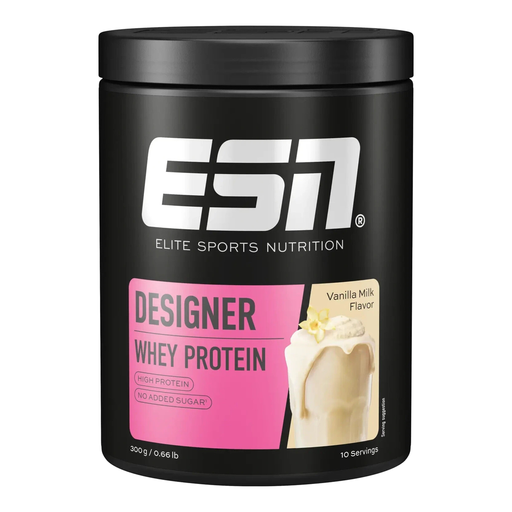
Why this product suits this profile: The 300-g pack limits the financial risk of your first purchase. According to the product information, the blend of concentrate and isolate contains 75 g of protein per 100 g.
The small pack lets you test the flavour before buying a larger pack. The ingredients and allergens are clearly listed.
300 g contents, vanilla flavour and recommended preparation with 30 g of powder and 200 ml of liquid.
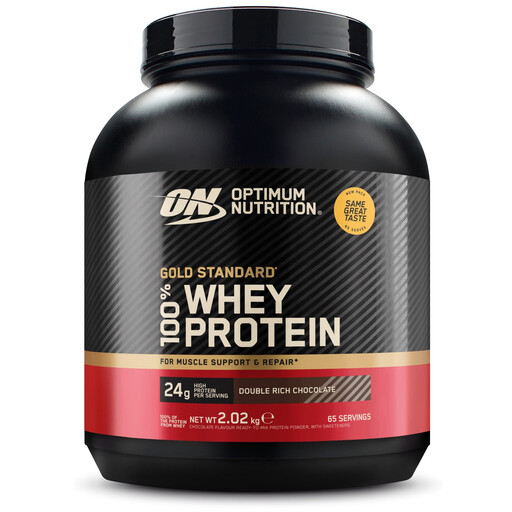
Why this product suits this profile: The product information states that a 30-g serving contains 24 g of protein and that the whey blend consists of isolate, concentrate and hydrolysed isolate.
The nutritional values per 100 g and per serving make comparisons easier. Check the packaging for the specific flavour.
2,020 g contents, approximately 113 kcal per 30-g serving according to the product information, and versatile use in shakes or meals.
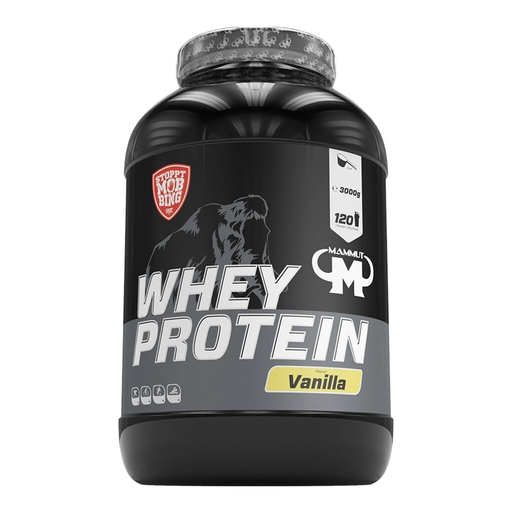
Why this product suits this profile: The 3,000-g tub is aimed at people who use whey protein regularly and prefer to buy a large supply. According to the product information, a 25-g serving provides an average of 27 g of protein when prepared with milk.
The serving size and recommended amount of liquid are specified. After opening, store the tub in a dry place and keep it tightly sealed.
Vanilla flavour, measuring scoop and, according to the product information, mixability with water or milk; smaller Mammut packs are also available.
We have compiled a complete, regularly updated list of products that fully meet these strict selection criteria and the safety regulations applicable in the EU.
Protein powder after training can be used when a protein-rich meal is not readily available. However, a fixed time of consumption is not decisive when choosing a product. A protein shake can also be enjoyed between meals, added to porridge or blended into a smoothie.
For preparation, follow the instructions on the packaging. Typically, around 25 to 32 g of powder is mixed with 180 to 300 ml of water or milk. Water reduces additional calories, while milk changes the flavour and nutritional values. If you have a sensitive digestion, it may be sensible to start with a smaller serving and monitor how well you tolerate it.
Descriptions such as “protein powder for muscle building” identify the target audience, but do not replace a balanced diet or an appropriate training programme. If you have allergies, a medical condition, take medication, are pregnant or breastfeeding, seek medical advice before use.
The best-before date and the instructions on the relevant packaging are decisive. After opening, store the powder in a dry, sealed place protected from heat and light. Moisture can affect its consistency and how easily it can be used.
Isolate often contains a higher proportion of protein and lower amounts of fat and carbohydrates. Concentrate may be sufficient for many users and is often used in classic whey blends. Compare the complete nutritional values, ingredients and price per 100 g instead of judging the product solely by its name.
The cost depends on the pack price, serving size and liquid used. Divide the product price by the total number of grams and multiply the result by your desired serving size. If you use milk, add its cost and nutritional values; with water, there is no additional cost or nutritional contribution.