
Lieferung heute & morgen

Qualitätsgarantie

Willkommens-Angebote freischalten: KOSTENLOSE Lieferung | Bis zu 80 % RABATT | Kostenlose 30-Tage-JoyPlus-Testphase
App herunterladen
Whey protein powder can be a simple way to supplement your daily protein intake – whether as a protein shake after training, at breakfast or as a snack. However, the range available from German online retailers is extensive: whey protein isolate, whey protein concentrate, blends of several sources, numerous flavours and pack sizes from 300 g to 3 kg can make direct comparisons difficult.
If you focus only on advertising claims such as “ultra-fast”, “maximum absorption” or “perfect taste”, you can easily overlook important product details. The following points will help you choose a protein powder that suits your everyday routine.
For example, a product may advertise 24 g of protein per serving. It is also important to check how large that serving is and how much protein the powder contains per 100 g. This is the only way to compare different products fairly.
Preparation also affects the nutritional values. According to the product information, Mammut Nutrition Whey Protein provides 27 g of protein per serving when mixed with 300 ml of low-fat milk. If the powder is mixed with water, the values of the finished drink will change.
Whey protein isolate generally has a higher protein content and often contains less fat and fewer carbohydrates than a pure concentrate. However, this does not mean that every isolate is the more sensible choice for every buyer. If you are looking for an everyday protein shake and are considering the price per serving, a blend of concentrate and isolate may also be suitable.
The ingredients list is therefore important: is whey protein isolate listed first, or is it whey protein concentrate or a combination of both?
Whey protein 2 kg or whey protein 3 kg can reduce the need to reorder. This is particularly worthwhile if you use it regularly. However, if you are not familiar with a flavour, buying a large pack increases the risk of ending up with a product you do not enjoy. For occasional use or trying a new flavour, 300 g, 450 g or 780 g is often a more manageable option.
You should also take the best-before date, storage conditions and recommended serving size into account. Opened packs should be stored in a dry, cool place, tightly sealed and protected from direct sunlight.
Start by comparing:
According to the product information, ESN Designer Whey Protein Vanilla Milk contains 75 g of protein per 100 g and a blend of whey protein concentrate and isolate. Optimum Nutrition Gold Standard 100% Whey, for example, is listed as containing 79 g of protein per 100 g or around 24 g per 30 g serving, depending on the variant. Values may vary by flavour; the relevant product label is always decisive.
Milk or whey is the main source ingredient in whey products. Many varieties also contain soya, for example as lecithin to improve mixability. Individual flavours may also contain gluten, nuts or other ingredients.
You should therefore check the following before buying:
Protein powder is not a substitute for a varied and balanced diet. If you have allergies, an existing medical condition, are pregnant or breastfeeding, or regularly take medication, it is advisable to seek medical advice.
You can assess mixability by looking at the product description and recommended preparation method. A typical serving is 25 to 40 g of powder mixed with around 180 to 300 ml of water or milk. A protein shake made with water contains fewer calories; milk changes the flavour, consistency and nutritional values.
Flavours range from whey protein chocolate and whey protein vanilla to whey protein strawberry, Banana Cream, Cookies & Cream and Stracciatella. For your first order, a smaller pack may be a sensible choice. Once you have found a flavour that suits you, you can choose a larger pack.
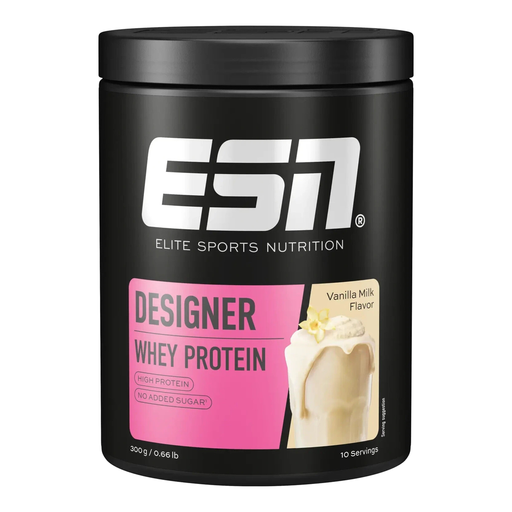
Why this product suits this profile: The 300 g pack is ideal for trying a whey protein blend made from concentrate and isolate. According to the product information, Vanilla Milk can be prepared with water or low-fat milk.
The manageable pack size reduces the risk of buying a large quantity of an unfamiliar flavour. The declared protein content is 75 g per 100 g.
300 g contents, 28.2 g of whey protein blend per 30 g serving according to the product description, and preparation with water or milk.
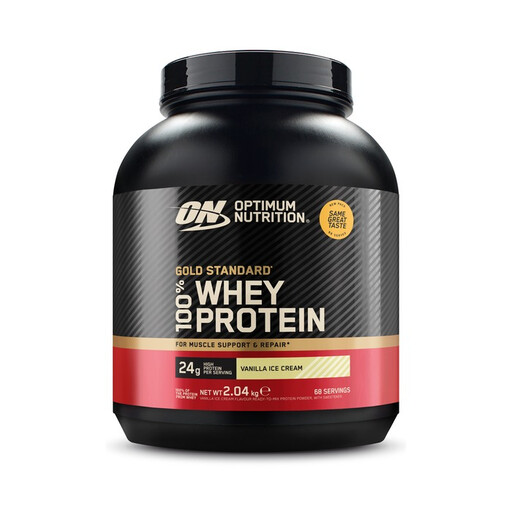
Why this product suits this profile: The product description lists whey protein isolate as part of the blend, along with 24 g of protein per 32 g serving. The 2 kg size is aimed at people who regularly have protein shakes.
The nutritional information lists 119 kcal, 24 g of protein, 2.2 g of carbohydrates and 1.5 g of fat per serving. This makes the key values clear before you buy.
2,020 g total pack including a creatine component according to the product information; recommended mixing ratio for whey: 32 g of powder with 180–240 ml of liquid.
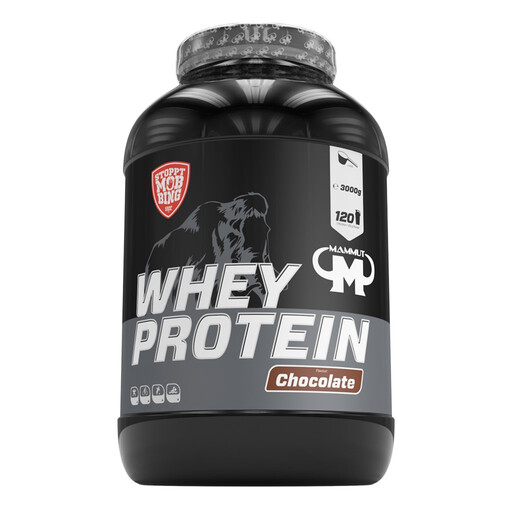
Why this product suits this profile: With 120 servings according to the product description, the 3 kg tub is designed for regular use. The chocolate version is prepared with 25 g of powder and 300 ml of low-fat milk or water.
The serving size, number of servings and ingredient base containing 89% whey protein concentrate are clearly stated. This makes it easy to compare the large pack with your personal consumption.
3,000 g contents, measuring scoop and 27 g of protein per serving according to the product information when prepared with low-fat milk.
We have put together a complete, regularly updated list of products that fully meet these strict selection criteria and the safety regulations applicable in the EU.
For a simple protein shake for muscle building, mix the manufacturer’s recommended amount of powder with water or milk in a shaker. Protein powder after training can be practical if a regular meal is not available at that time. However, a specific timing window is less important when choosing a product than your overall protein intake, personal tolerance and a balanced diet.
Prepare the shake immediately before drinking it and store opened products in a dry place with the pack securely closed. If you experience any discomfort, stop taking the product and seek medical advice if necessary.
Depending on the product, around 25 to 40 g of powder is typical. The recommended serving size on the packaging and your individual protein requirements are the key factors. The additional amount should be considered as part of your overall diet.
The best-before date applies to the unopened original packaging. Once opened, the powder should be stored in a dry, cool place, protected from light and tightly sealed. Moisture can affect its consistency and mixability. The manufacturer’s information on the packaging is decisive for the specific period of use.
A large pack can be practical if you use it regularly. Before buying, however, you should check the flavour, tolerance, protein content per 100 g and best-before date. If you are not familiar with a product, choosing between 300 g and 780 g is often the lower-risk option.