
Lieferung heute & morgen

Qualitätsgarantie

Willkommens-Angebote freischalten: KOSTENLOSE Lieferung | Bis zu 80 % RABATT | Kostenlose 30-Tage-JoyPlus-Testphase
App herunterladen
A large bag, eye-catching flavour claims and terms such as “ultrafiltered” alone reveal little about whether a whey protein powder suits your everyday routine. Adult athletes, strength trainers and fitness enthusiasts often focus on protein content when buying, but overlook serving size, the ingredients list or the actual calories per shake.
If you want to buy whey protein, protein powder or supplementary sports nutrition, you should be aware of three common pitfalls:
First check the protein content per 100 g, followed by the recommended serving size. For example, one product may provide 24 g of protein per 30 g serving, while another states 27 g of protein per 25 g of powder. Without taking the amount of powder into account, the comparison is inaccurate.
For a protein shake after training or as a supplement to your daily diet, the following information is also relevant:
A low-sugar protein is not automatically low in calories if the serving is prepared with milk, oat drink or additional ingredients. Include the drink you use in your daily energy balance.
Whey isolate undergoes more extensive filtration and, according to the product declaration, often contains fewer accompanying substances than concentrate. Whey concentrate, on the other hand, may contain a higher proportion of milk components. If you are sensitive to dairy products or have known allergies, the ingredients and allergen list are particularly important.
A multi-component protein powder can combine different sources, such as whey protein, milk protein, egg or soya protein. This may be appealing for frequent users, but it limits the choice for people with allergies or specific dietary requirements.
In Germany and the EU, you should look for complete labelling in accordance with the Food Information Regulation (EU) No 1169/2011. Allergens such as milk, soya, egg or cereals containing gluten must be highlighted in the product information. The information on the respective packaging is authoritative, as nutritional values may vary depending on the flavour.
A powder with good solubility is easier to prepare in a shaker with water or milk. Pay attention to the recommended amount of liquid and the measuring scoop. To compare prices, divide the pack price by the stated number of servings, then compare the protein content per serving.
Small packs are suitable if you want to try a flavour first. Large tubs or bags can be practical for regular users, but should be stored somewhere dry and cool, sealed and protected from direct sunlight. A prepared shake should be consumed promptly and not kept unrefrigerated for an extended period.
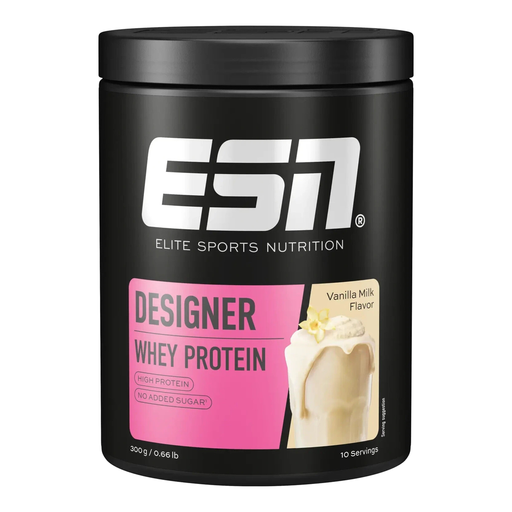
Why this product suits this profile: The 300 g pack offers a manageable introduction. According to the product information, 30 g of powder is mixed with around 200 ml of water or semi-skimmed milk.
The smaller quantity reduces the risk of buying a large supply of a flavour that does not suit you. The nutritional values should be checked against the relevant packaging before purchase.
Whey blend of concentrate and isolate; 30 g serving size and preparation with water or milk.
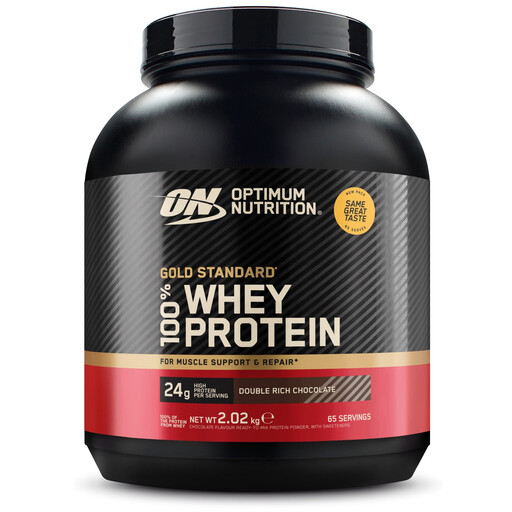
Why this product suits this profile: According to the product data, a 30 g serving provides 24 g of protein and 113 kcal. The protein blend contains isolate, concentrate and hydrolysed whey protein.
The serving size, calorie, sugar and protein figures are clearly stated. For allergy sufferers, milk and soya remain relevant ingredients to consider.
2,020 g pack; 24 g of protein per 30 g serving; good solubility according to the product description.
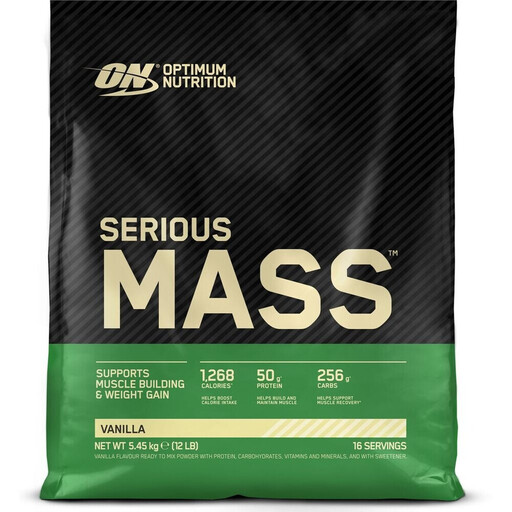
Why this product suits this profile: This mass gainer is aimed at adults with high calorie and protein requirements. According to the product information, a 334 g serving contains 1,268 kcal, 50 g of protein and 256 g of carbohydrates.
The high calorie content is clearly stated, making it easy to distinguish from standard whey protein. Half a serving may be a practical starting amount for new users.
Large pack; 50 g of protein per stated serving; plus 3 g of creatine monohydrate and vitamins and minerals according to the product data.
For your daily protein intake, a standard whey protein powder is a sensible choice if you want a compact serving with a manageable calorie content. If you deliberately want to increase your energy intake, you may wish to consider a mass gainer. Make sure you account for the amount of carbohydrate and the serving size in your diet.
Creatine is a separate supplement and should not be equated with whey protein. A combination pack such as Gold Standard Whey with micronised creatine can make use more convenient. Alternatively, creatine, for example in capsule form, can be dosed independently of your protein shake. Always follow the dosage instructions on the label and seek medical advice if you have an illness, take medication or are unsure.
We have put together a complete, regularly updated list of products that fully meet these strict selection criteria and the safety regulations applicable in the EU.
Follow the recommended serving size on the packaging. Many products are mixed with around 180 to 300 ml of cold water or milk. Add the liquid to the shaker first, then add the powder and shake until you reach the desired consistency. If you have lactose or milk-related issues, check the ingredients and allergen information.
The best-before date is shown on the packaging. Once opened, the powder should be stored somewhere dry and cool, sealed and protected from light. Moisture can affect its free-flowing properties and solubility. The manufacturer’s storage instructions for the specific product are authoritative.
No. In principle, your protein requirements can be met through a balanced diet. Whey protein can simply be a convenient way to incorporate protein flexibly into your daily routine or around your training sessions. For protein for building muscle, maintaining muscle or post-workout nutrition, protein intake is only one factor: training plans, sufficient energy intake and recovery also matter.