
Lieferung heute & morgen

Qualitätsgarantie

Willkommens-Angebote freischalten: KOSTENLOSE Lieferung | Bis zu 80 % RABATT | Kostenlose 30-Tage-JoyPlus-Testphase
App herunterladen
Anyone looking to buy whey protein powder will quickly find a wide choice of brands, flavours and pack sizes. However, terms such as “muscle building”, “fast absorption” and “premium blend” are not reliable decision-making criteria on their own. What really matters is the nutritional information per serving, the protein source, the ingredients list and how the product will actually fit into your daily routine.
Depending on the product, one serving may weigh 25, 30, 31 or even more than 300 grams. That is why you should also check the protein content per 100 grams, alongside the serving information. Preparing the shake with milk also significantly changes the calorie, carbohydrate and protein values.
Whey isolate often has a higher protein content and fewer accompanying ingredients than pure whey concentrate. However, that does not mean concentrate is fundamentally unsuitable. For many athletes, a whey blend made from concentrate and isolate is a practical solution. If you are sensitive to milk or lactose, the specific ingredients and allergen information are particularly important.
A 2- or 3-kilogram bag may initially seem economical. However, if you stop using the flavour after just a few servings, you are left with an unnecessary supply. For beginners or when trying a new variety, a 300- to 500-gram pack may be the better choice. For example, a Mammut Whey Protein sample pack with ten servings allows you to compare several flavours.
The following details are relevant when comparing protein powder, protein powder and whey products:
For example, a product containing 24 grams of protein in a 30-gram serving has a different protein ratio from a powder containing 27 grams of protein when prepared with 300 millilitres of milk.
The ingredients list shows whether the product contains additional ingredients alongside the protein source. These may include sweeteners, thickeners, cocoa, cereal pieces or enzymes. Depending on the flavour, ESN Designer Whey combines ultrafiltered whey concentrate with cross-flow microfiltered whey isolate. Some varieties also contain soya or cereals containing gluten.
If you have allergies, the information on the relevant packaging should always be considered authoritative. Common allergens in whey products include milk, soya, and in some cases wheat, barley, egg or peanuts.
A protein shake should mix sufficiently in a shaker or blender using the recommended amount of liquid. However, descriptions such as “soluble” do not replace checking the preparation instructions. The following points are also important:
For a regular post-workout protein shake, a larger pack may be worthwhile. If you only use protein occasionally for muscle building or as a supplement to your daily diet, a smaller pack will often give you greater flexibility.
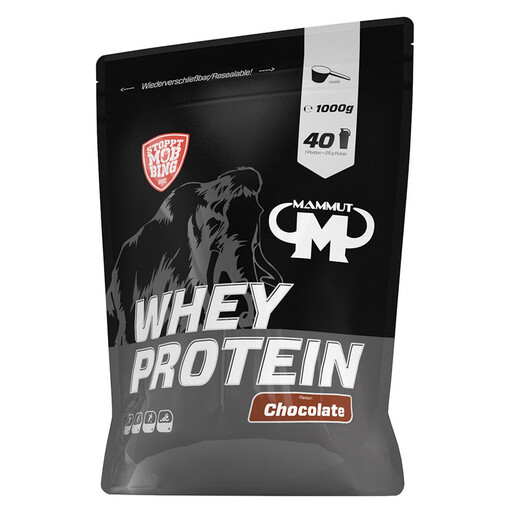
Why this product suits this profile: The 1-kilogram pack offers a manageable introduction to whey concentrate and is suitable for shakes or a snack between meals.
The pack size limits the risk of buying a large supply of an unfamiliar flavour. The ingredients list states that it contains 89% Whey Protein Concentrate.
The 1,000 g contents, measuring scoop and clear preparation instructions using 25 g of powder are practical features for beginners.
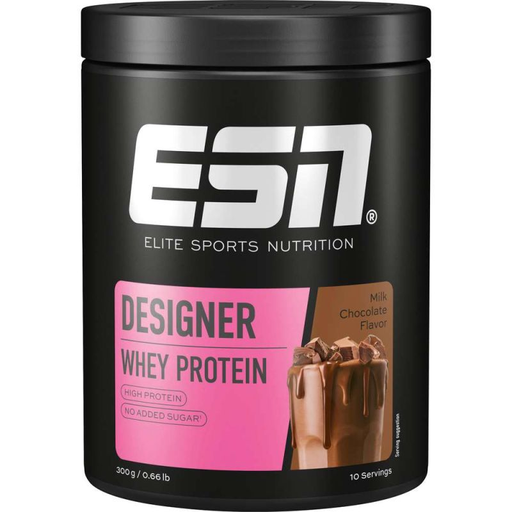
Why this product suits this profile: The combination of whey concentrate and whey isolate is suitable for users comparing ingredient proportions, nutritional values and versatile uses in shakes, porridge or baking recipes.
The protein content of 76 g per 100 g is stated clearly. The product description also identifies sweeteners and soya as an allergen.
The 300 g pack, 30 g serving and option to prepare it with water, milk or plant-based drinks offer flexible ways to use the product.
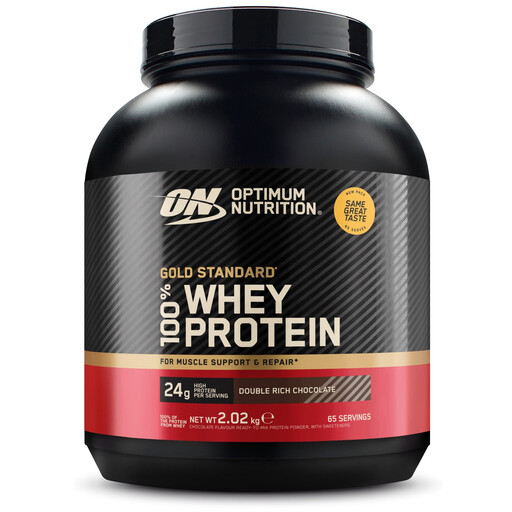
Why this product suits this profile: The 2,020 g pack is aimed at people who regularly prepare protein shakes and prefer a standard serving of around 30 g.
The nutritional information states 79 g of protein per 100 g, 24 g per 30 g serving and 113 kcal per serving. Variations between flavours should be checked on the packaging.
Whey isolate, concentrate and hydrolysed whey isolate are listed in the blend; milk and soya should be noted as allergens.
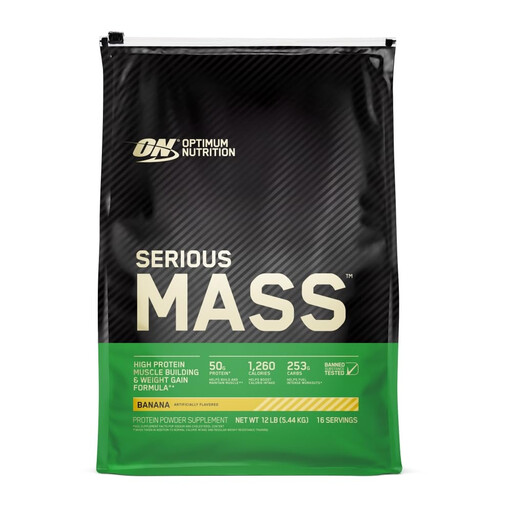
Why this product suits this profile: This mass gainer is designed for people who want to plan a significantly higher calorie and carbohydrate intake alongside their protein intake.
The very large serving size is stated transparently: according to the product information, 335 g provide 1,260 kcal, 50 g of protein and 250 g of carbohydrates.
Each stated serving also contains 3 g of creatine monohydrate, as well as vitamins and minerals. Milk and soya are included.
We have put together a complete, regularly updated list of products that fully meet these strict selection criteria and the safety regulations applicable in the EU.
For many whey products, the recommended amount of liquid is between 180 and 300 millilitres. Water avoids additional calories, while milk increases the energy and protein content. The powder should be measured according to the manufacturer’s instructions and consumed immediately after mixing.
A protein shake can be used after training, between meals or as part of a protein-rich dish. It is not a substitute for a varied diet. If you regularly take food supplements, are pregnant, take medication or have a medical condition, you should seek medical advice before using them.
The best-before date and packaging information are the key points to follow. Once opened, the powder should be stored in a dry, cool place away from light and kept tightly sealed. Moisture can affect its consistency and mixability.
The two protein sources differ in how they are processed and in their nutritional profiles. Isolate often has a higher protein content, while concentrate may contain more fat, carbohydrates or lactose, depending on the product. The right choice depends on your budget, tolerance and preferred nutritional values.
You can calculate the price per shake by dividing the pack price by the total number of servings. You should also compare the actual serving size and the price per 100 grams. With a mass gainer, the significantly larger servings and higher consumption should also be taken into account.