
Lieferung heute & morgen

Qualitätsgarantie

Willkommens-Angebote freischalten: KOSTENLOSE Lieferung | Bis zu 80 % RABATT | Kostenlose 30-Tage-JoyPlus-Testphase
App herunterladen
The right whey protein powder makes it easy to supplement your daily protein intake. However, large packages, enticing flavour promises and high protein figures do not automatically lead to a sensible purchasing decision. If you want to buy protein powder online, you should primarily check the nutritional table, the protein source and how practical the product is for everyday use.
“27 g protein per serving” sounds clear at first. With some products, however, this figure refers to a shake made with milk. The milk then adds extra protein and calories. For a fair comparison, the figure per 100 g of powder is therefore particularly important.
Serving sizes also vary: a serving may contain 25 g, 30 g or considerably more. So do not just compare the number of grams per serving. Also check:
Whey concentrate contains protein as well as, depending on the recipe, more milk sugar and fat. Whey isolate undergoes more extensive filtration and often has a higher protein content with fewer accompanying substances. Concentrate is not automatically unsuitable – personal tolerance, dietary goals and budget are the key factors.
A whey blend combines several forms. Looking at the ingredients list will show whether, for example, whey protein concentrate is listed first or whey isolate makes up a larger proportion.
A “creamy” protein shake depends on the powder, the amount of liquid, the temperature and how it is prepared. Water generally produces a lighter shake, while milk or a plant-based drink gives it a different consistency and adds nutritional values. Small packs or sample sizes are useful for assessing the flavour of protein powder.
Also pay attention to sweeteners, flavourings, thickeners and potential allergens. Milk and whey protein are relevant to the products featured here; depending on the recipe, soy, gluten or another ingredient may also be present.
For a classic protein powder intended to support muscle building and maintenance, a high protein content per 100 g is a sensible selection criterion. Depending on the variant, the products in our selection contain approximately 71 to 79 g of protein per 100 g. The exact figure may vary between flavours.
BCAAs occur naturally in whey protein. An additional BCAA supplement is therefore not automatically necessary. More important is whether the product fits your overall diet and whether the ingredients are listed transparently.
A low-sugar protein powder may be appealing to people who want to limit their additional carbohydrate intake. However, “no added sugar” does not necessarily mean that the product contains no sugar. Milk ingredients, chocolate pieces or biscuit ingredients may contribute to the nutritional values.
Check the figures per serving rather than relying only on the claims made on the front of the pack. A classic whey powder containing around 110 to 120 kcal per serving differs considerably from a mass gainer with more than 1,250 kcal per serving.
A 300-g pack with 30-g servings will theoretically provide around ten servings. A 2-kg container is more economical per serving for regular users, but ties up more money and should be used within the recommended storage period. Once opened, the powder should be stored somewhere dry, sealed and protected from direct sunlight.
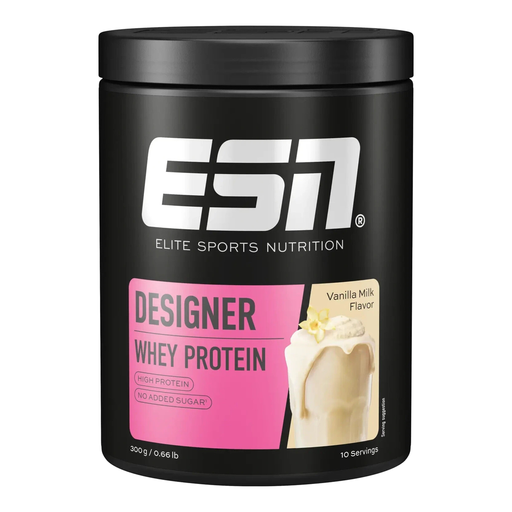
Why this product suits the profile: The compact 300-g pack is a practical way to assess the flavour and suitability for everyday use without committing to a large supply. According to the product information, each 30-g serving contains 28.2 g of whey protein blend.
The information specifies preparation with 200 ml of water or low-fat milk and clearly states the serving size. Allergens such as milk and soy are listed.
A blend of whey concentrate and whey isolate; Vanilla Milk flavour; 75 g of protein per 100 g according to the product information.
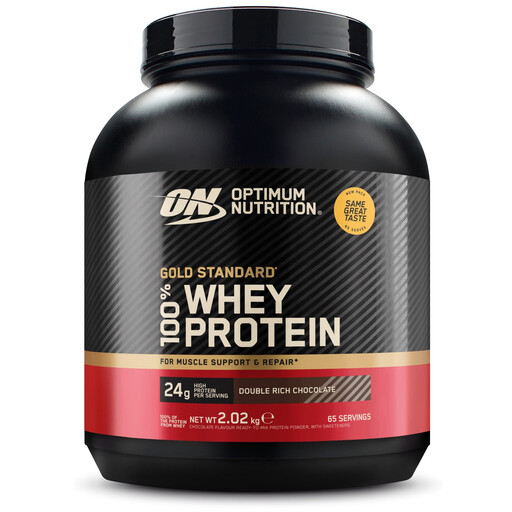
Why this product suits the profile: The large container is aimed at people who regularly prepare protein shakes and prefer a blend of isolate, concentrate and hydrolysed whey protein.
The nutritional information states 79 g of protein per 100 g and 24 g per 30-g serving. The stated sugar content is 3.3 g per 100 g.
24 g of protein per serving, 113 kcal per serving according to the product data, and preparation with 180–240 ml of liquid as recommended.
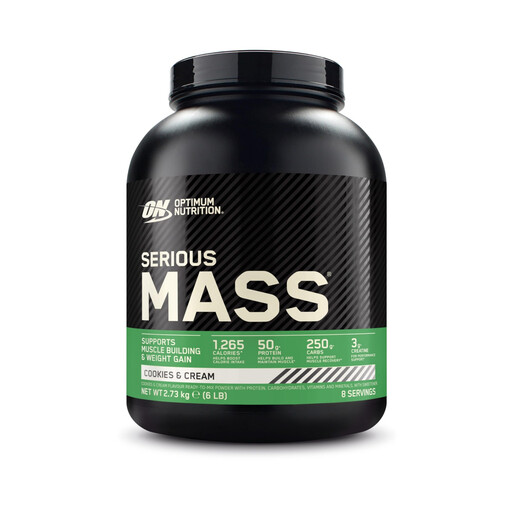
Why this product suits the profile: This is not a classic whey powder, but a high-calorie mass gainer for people who want to supplement their protein intake with plenty of carbohydrates.
This classification prevents an inaccurate comparison with low-sugar whey products: according to the product information, a serving of around 340 g provides more than 1,250 kcal, 50 g of protein and over 250 g of carbohydrates.
High calorie content per serving; also contains 3 g of creatine monohydrate and a vitamin and mineral blend according to the product description.
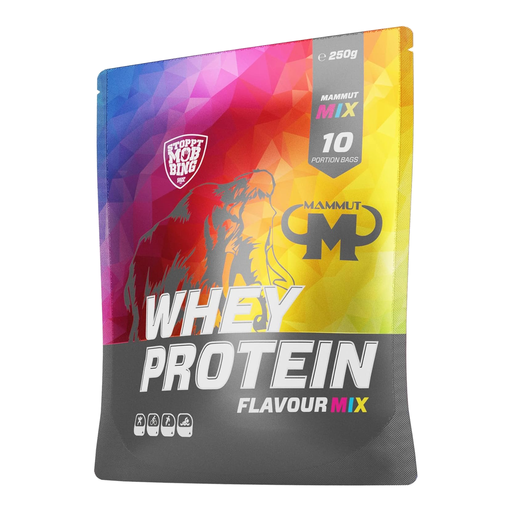
Why this product suits the profile: Ten individual sachets in different varieties make it easier to find a protein powder flavour you like. They are also convenient to take to the gym or office.
The small individual serving reduces the risk of buying a large pack in a flavour you do not enjoy. According to the product information, each serving contains 25 g of powder.
Ten flavours; according to the product description, 27 g of protein per serving when prepared with milk and 13.2 g of BCAA per 100 g.
We have put together a complete, regularly updated list of products that fully meet these strict selection criteria and the safety regulations applicable in the EU.
For a classic protein shake after training, use the amount of powder and liquid stated on the packaging. A shaker with a mesh insert can help distribute the powder evenly. Mix the powder with water or milk shortly before drinking it; prepared shakes should not be left unrefrigerated for long periods.
When you take it is less important to your purchasing decision than your overall daily diet. Whey protein can be used in the morning, between meals or around your training session. It is not a substitute for a varied and balanced diet. If you have allergies or intolerances, are pregnant or breastfeeding, take medication or have an existing medical condition, check the ingredients list and seek medical advice if necessary.
Many products recommend between 25 and 31 g per serving. The instructions on the relevant packaging are the deciding factor. The right daily amount depends on your individual diet, body weight and actual protein requirements.
The best-before date is printed on the packaging. Once opened, the powder should be stored somewhere dry and cool or at room temperature, kept sealed and protected from moisture. A damp or unusual smell is a reason to stop using the product.
Not necessarily. Whey isolate often has a higher protein content and fewer accompanying substances, but it can be more expensive. For many users, whey concentrate offers a suitable balance of recipe, flavour and price. The key factors are nutritional values, tolerance and personal budget.