
Lieferung heute & morgen

Qualitätsgarantie

Willkommens-Angebote freischalten: KOSTENLOSE Lieferung | Bis zu 80 % RABATT | Kostenlose 30-Tage-JoyPlus-Testphase
App herunterladen
Whey protein powder can help top up your daily protein intake when regular meals don’t quite meet your needs. However, products can vary considerably in their protein sources, nutritional values, serving sizes, sweeteners and allergens. A striking product name or low pack price therefore tells you little about whether it’s actually right for you.
If you’re looking to buy a protein powder for muscle building, maintaining muscle or following a high-protein diet, there are three common pitfalls to avoid:
Whey protein, also known as milk protein, is often used in a post-workout protein shake or as a top-up between meals. A whey isolate generally has a high protein content and, depending on the recipe, fewer other ingredients than a pure concentrate. Blends, on the other hand, may combine whey concentrate, isolate and hydrolysed whey.
Don’t just compare claims such as ‘high in protein’; check the nutritional information:
The products featured here, for example, contain between 73 g and 79 g of protein per 100 g. The casein product provides 24 g per 33 g serving, while the Optimum Nutrition vanilla whey provides 23.7 g per 30 g serving. Values may vary by flavour, so always check the packaging for the product you’re buying.
If you’re watching your calorie intake, energy, sugar and fat per serving are useful comparison points. A whey product with around 113 kcal and less than 2 g of carbohydrates per serving fits into your diet differently from a weight gainer.
A weight gainer is designed for people who want to take in extra calories. According to the product information, Optimum Nutrition Serious Mass Cookies & Cream provides more than 1,250 kcal, 50 g of protein and over 250 g of carbohydrates per serving. The stated serving size of around 340 g is much larger than a typical whey serving. Before using it as part of your everyday routine, check that this calorie content fits your individual diet plan.
Before buying, check:
A vanilla, banana or strawberry-flavoured protein powder can taste more or less sweet depending on the recipe. If you plan to drink it regularly, consider starting with a smaller pack, or compare the ingredients list and product description carefully. Depending on the product, around 180 to 400 ml of liquid is recommended for preparation.
The selection below compares specific products by pack size, nutritional values, protein source and intended use. The details are taken from the relevant product information; if anything differs, the label on the packaging is the one to follow.
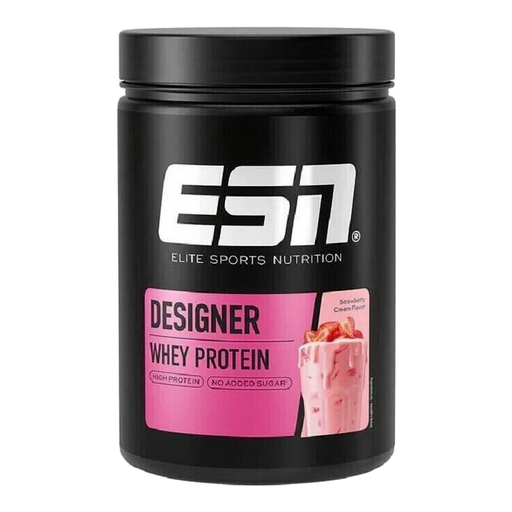
Why it suits these needs: The 300 g pack is a good way to try a strawberry flavour without committing to a large tub. It contains 76 g of protein per 100 g.
The smaller pack limits the risk of choosing a flavour or recipe that doesn’t work for you day to day.
A blend of whey concentrate and whey isolate; recommended preparation with 200 ml of liquid.
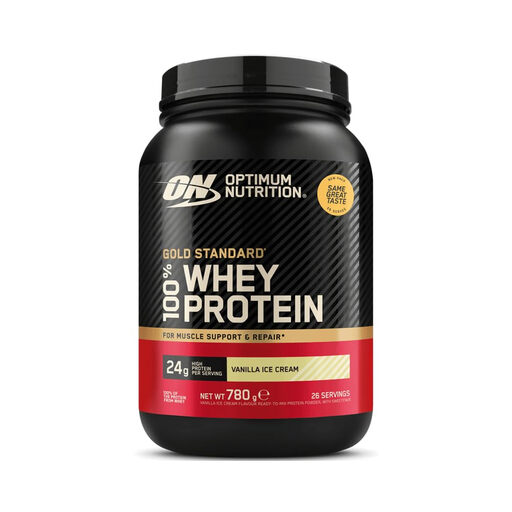
Why it suits these needs: According to the product information, this whey provides 23.7 g of protein per 30 g serving and 113 kcal. The vanilla flavour and resealable tub make it a practical choice for regular use.
Nutritional values are clearly listed per 100 g and per serving, making it easier to compare with other whey products.
79 g of protein per 100 g; whey isolate listed as the protein source; 200–300 ml of water or milk per serving.
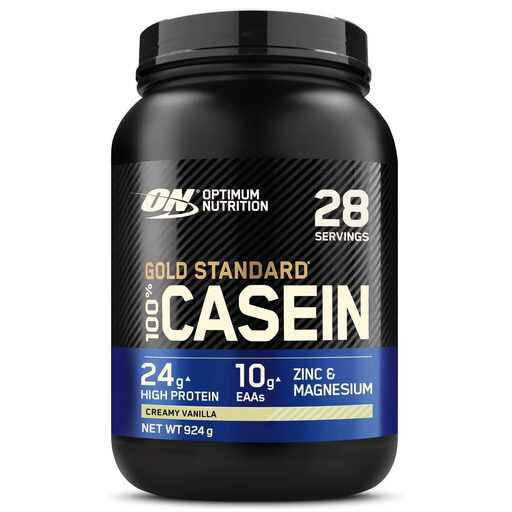
Why it suits these needs: This casein protein is aimed at adults looking for a slower-digesting protein source to have between meals or in the evening.
The protein type is identified in the ingredients list as 88% micellar casein, rather than being evident from the product name alone.
24 g of protein per 33 g serving; 924 g pack with 28 stated servings.
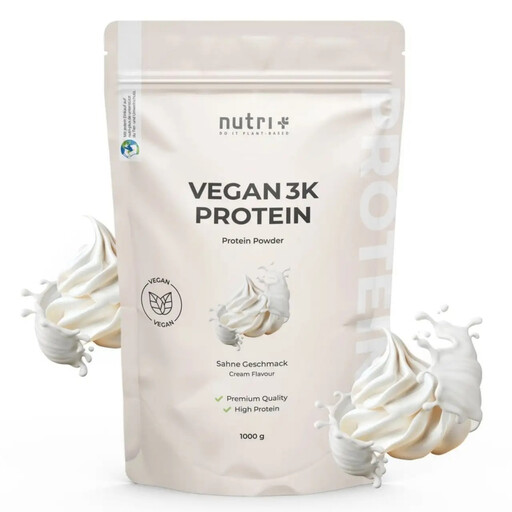
Why it suits these needs: This vegan protein powder combines soya, pea and sunflower proteins, making it a suitable option for people who want to avoid whey protein.
The three plant-based protein sources are clearly listed, making it easier to check whether the recipe fits your dietary preferences.
24 g of protein per 30 g serving; recommended preparation with 350–400 ml of liquid.
We’ve put together a complete, regularly updated list of products that meet these strict selection criteria and fully comply with the safety regulations in force in the EU.
A post-workout protein shake can be a convenient way to top up your daily protein intake. However, choosing a product isn’t just about finding a particular time to take it. Your overall diet, serving size and individual needs are what matter.
Also remember to:
Food supplements are not a substitute for a balanced and varied diet. The products mentioned are generally not intended for children.
Check the best-before date on the relevant packaging. If stored in a cool, dry place with the container sealed, the powder should remain usable until then. Moisture, clumping, an unusual smell or a change in colour may indicate that the product quality has been affected.
No. Protein powder is a supplement, not a requirement for building or maintaining muscle. It can make it easier to meet your daily protein needs if you don’t get enough from protein-rich foods, or if you’d like a protein shake that’s easy to take with you.
It depends on the unit price, protein content and how much you actually use. Compare the price per 100 g as well as the number of servings per pack. A large pack may suit regular users, while smaller packs reduce the risk of a wasted purchase if you’re unfamiliar with the flavour or find the recipe doesn’t agree with you.