
Lieferung heute & morgen

Qualitätsgarantie

Willkommens-Angebote freischalten: KOSTENLOSE Lieferung | Bis zu 80 % RABATT | Kostenlose 30-Tage-JoyPlus-Testphase
App herunterladen
Anyone looking to increase their daily protein intake with minimal effort will find a wide selection of brands, flavours and pack sizes among whey protein powders. For athletes, strength trainers, bodybuilders and active adults, however, protein content and price are not the only relevant factors. The protein source, sugar content, digestibility and actual serving size also determine whether a product fits seamlessly into your routine.
As a Joybuy Product Recommendation Officer, I filter the most important product details and explain which factors really matter when buying whey protein.
One product may advertise “25 g of protein per serving”, while another lists 75 g of protein per 100 g. Without a consistent reference value, comparisons are difficult. Always check:
Preparation also affects the nutritional profile. Mixing your protein shake with milk instead of water increases its calorie, carbohydrate and sugar content.
Whey concentrate, whey isolate and hydrolysed whey protein differ in how they are processed and in their composition. Concentrates typically contain more accompanying components, such as lactose and fat. Isolates generally provide a higher proportion of protein. Hydrolysed ingredients have already been partially broken down.
The product name alone is not a sufficient quality indicator, however. The complete ingredients list is what matters. Some products combine several protein sources or also contain soy, milk, egg or collagen protein.
A low price per kilogram is of little benefit if the flavour does not suit your daily routine. With large tubs or 3 kg packs in particular, you are committing to one flavour for a considerable time. For beginners, 300 g or 450 g packs and sample boxes are often the better choice. Once you have found a flavour you enjoy, you can compare the price per serving of a larger pack.
Depending on the recipe, a classic whey protein typically contains around 70 to 80 g of protein per 100 g. The reference products demonstrate how widely the values can vary:
Also check whether the product contains pure whey protein or is a multi-component blend. The Power System 5K Vanilla Protein Shake, for example, combines whey, casein, soy, hemp and collagen protein. It should therefore not be considered equivalent to a classic whey isolate.
A low-sugar protein powder can be a sensible choice if you want to keep an eye on your sugar and calorie intake. Compare the values per serving rather than relying solely on marketing claims on the front of the packaging.
Optimum Nutrition Gold Standard in various flavours is listed at approximately 113 to 119 kcal per serving and around 1 to 1.3 g of sugar. For ESN Designer Whey Milk Chocolate, the product description specifies 5.1 g of sugar per 100 g. For MAMMUT Whey Vanilla, the values may vary depending on the preparation method and flavour.
Keep in mind that milk, oat drinks, bananas and nut butter can significantly alter the nutritional profile of your protein shake.
A powder that blends quickly with water or milk is more convenient in the office, at the gym or on the go. Statements such as “prepare with a shaker” or “suitable for water and milk” provide an initial indication, but they do not replace checking the ingredients.
For people with intolerances or allergies, allergen information is particularly important. Whey products frequently contain milk and sometimes soy. Flavours with biscuit or grain ingredients may also contain wheat or gluten. The information on the respective packaging is authoritative, as recipes and nutritional values may vary between flavours.
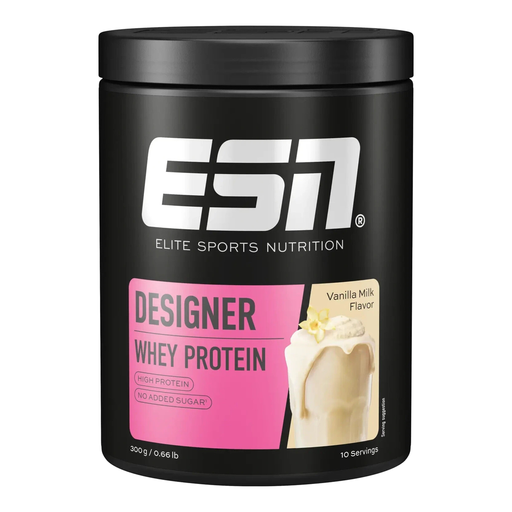
Why This Fits Their Persona: The 300 g pack is ideal for anyone who wants to try whey protein in a smaller quantity first. The vanilla flavour works well with water, milk or breakfast recipes.
The smaller pack reduces the risk of being stuck with an unsuitable flavour for a long time.
According to the product details, 75 g of protein per 100 g; whey concentrate and whey isolate; 300 g container.
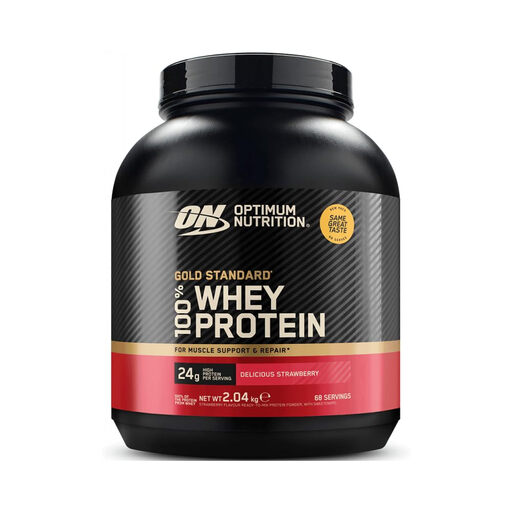
Why This Fits Their Persona: Suitable for active adults who want to compare clearly stated protein, energy, fat and carbohydrate values per serving.
The nutritional information is provided per 30 g serving and per 100 g, making comparisons easier.
According to the product details, 23.7 g of protein per serving and 113 kcal; resealable container.
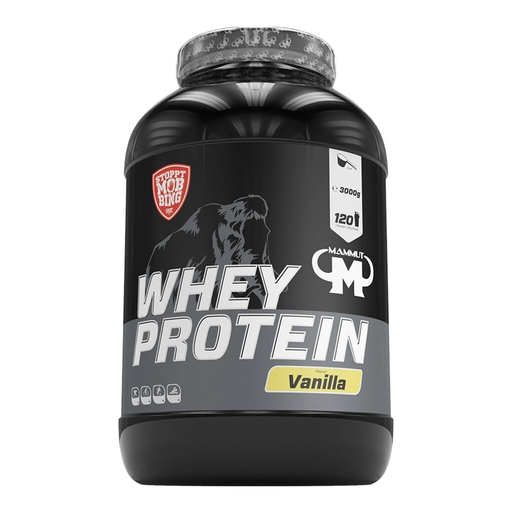
Why This Fits Their Persona: The large pack is designed for people who regularly use protein after training or as a snack and prefer to keep a substantial supply on hand.
A larger pack only makes sense if you already know that the flavour, digestibility and daily usage suit you.
According to the product details, approximately 27 to 28 g of protein per serving; measuring scoop and resealable packaging.
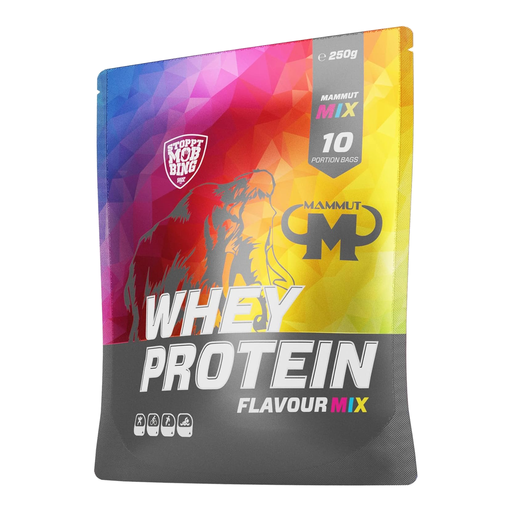
Why This Fits Their Persona: The individual sachets are ideal for trying different varieties, including vanilla, chocolate, strawberry, iced coffee or mango-passion fruit.
The sample size helps prevent disappointing purchases when trying unfamiliar flavours and is easy to carry.
10 individual 25 g servings; according to the product details, 27 g of protein per serving; multiple flavours in one pack.
Explore the full category for more flavours, pack sizes and protein blends with comparable product details to help you make the right choice.
Depending on the product, mix approximately 25 to 32 g of powder with 180 to 300 ml of cold water or milk. A shaker makes blending easier. If you have a sensitive stomach, it may be advisable to start with a smaller serving and monitor how well you tolerate it.
Having protein after training is a practical way to supplement your daily protein intake. However, there is no single intake time that is essential for everyone. Your total daily requirement, regular diet and training goals are more important when planning your intake. BCAAs occur naturally in whey protein, so a separate BCAA product is not automatically necessary.
Whey protein powder is not a substitute for a balanced and varied diet. People with milk or soy allergies, existing medical conditions or regular medication, as well as pregnant and breastfeeding women, should follow the product information and seek medical advice where appropriate.
Follow the best-before date and the manufacturer’s storage instructions. Keep the powder dry, cool, protected from light and tightly sealed. Moisture can affect its texture and mixability. Drink a prepared protein shake promptly and do not leave it unrefrigerated for an extended period.
Not necessarily. Whey isolate may be appealing because of its higher protein content and typically lower levels of fat and lactose. If you are looking for a more affordable product or prefer a creamier blend, whey concentrate may also be a suitable option. The ingredients list, nutritional values and your individual tolerance are the decisive factors.
Calculate the price per serving by dividing the pack price by the number of servings. Also compare the amount of protein per serving. A larger pack is not automatically more economical if it recommends significantly larger servings or ends up unused.