
Lieferung heute & morgen

Qualitätsgarantie

Willkommens-Angebote freischalten: KOSTENLOSE Lieferung | Bis zu 80 % RABATT | Kostenlose 30-Tage-JoyPlus-Testphase
App herunterladen
Anyone looking to buy whey protein powder will find a wide choice of brands, pack sizes and flavours. However, terms such as “premium”, “fast recovery” or “particularly high quality” do not automatically mean a product is right for you. The key factors are the nutritional values, protein source, ingredients list and intended use.
As a Joybuy Product Recommendation Officer, I provide an objective overview of the most important details and show which products suit the needs of strength athletes, fitness enthusiasts and active adults.
A product may advertise a high amount of protein per serving even though the serving size is unusually large. Always compare the figures per 100 g and per serving. Preparing the shake with milk also significantly changes the calorie, fat, carbohydrate and sugar content compared with a shake made with water.
Whey protein isolate usually has a high protein content and, depending on the recipe, contains fewer accompanying ingredients than a concentrate. A whey protein concentrate, on the other hand, may be a suitable choice when you want a larger pack at a lower price. Whether the extra cost is worthwhile depends on factors such as your dietary goals, tolerance and desired protein content.
“Different flavours” make regular use easier, but they may have different nutritional values and ingredients. Check the current packaging information for each variant. Common allergens include milk or lactose and soya. Cookies-and-cream or cereal variants may also contain wheat and gluten.
Whey comes from milk and is commonly available as a concentrate, isolate or blend. A high protein content per 100 g is a useful figure for comparison. The selection includes products with around 71 to 79 g of protein per 100 g, for example. However, more protein does not automatically mean that the powder suits your diet plan.
Multi-source products combine ingredients such as whey protein, milk protein, egg protein or soya protein. This may appeal to people looking for a protein powder with different protein sources. The ingredients list shows the order in which the ingredients are present.
For a classic protein shake after training, the calorie content is often relatively low. Depending on the variant, the product information for Optimum Nutrition Gold Standard 100% Whey lists, for example, 113 to 119 kcal and around 22.2 to 24 g of protein per serving. Mixing it with milk adds the nutritional values of the milk.
A weight gainer has a different purpose: Optimum Nutrition Serious Mass is available with a serving size of around 334 to 340 g and, according to the product information, provides approximately 1,250 to 1,268 kcal, around 50 g of protein and over 250 g of carbohydrates per serving. This amount should fit into your personal calorie plan and should not be added unthinkingly to your normal diet.
Small packs containing 300 or 460 g are suitable if you would first like to try a flavour or recipe. Large containers such as 2 or 3 kg can be practical for daily users. Check the number of servings, the price per 100 g and the recommended shelf life after opening.
Powder stored in a dry, cool place away from light will generally remain usable for longer. Keep the measuring scoop dry, close the container after every use and consume prepared shakes promptly.
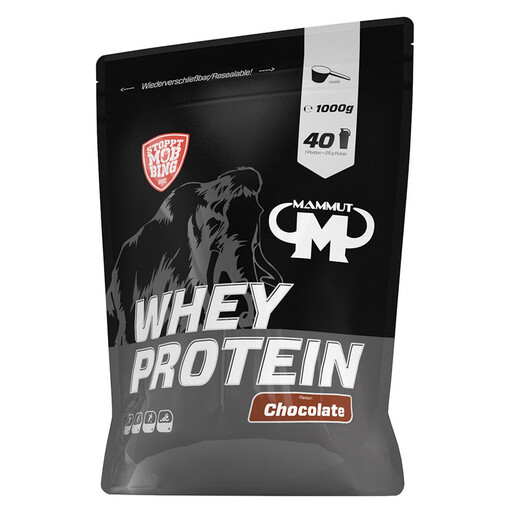
Why this product suits the profile: The 1 kg pack offers an accessible introduction to a classic chocolate-flavoured whey protein concentrate.
The product information states 25 g of powder per serving and specifies the protein content and ingredients, including 89% whey protein concentrate.
1 kg format, measuring scoop and preparation with water or milk; according to the product data, 27 g of protein per serving when mixed with milk.
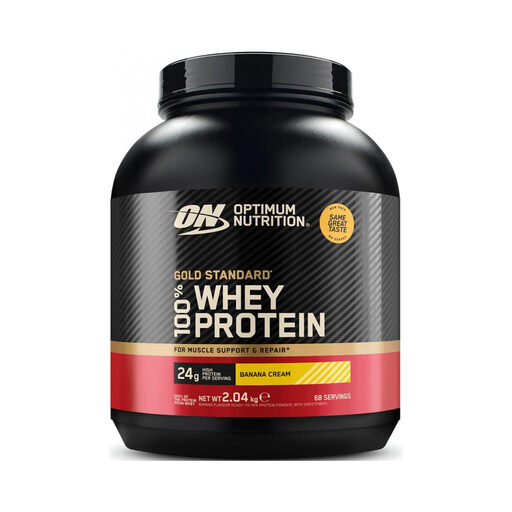
Why this product suits the profile: The protein, calorie, fat and carbohydrate values are listed both per 100 g and per 30 g serving.
Rather than relying solely on marketing terms, the product description states 79 g of protein per 100 g and 23.7 g per serving.
Whey protein blend with isolate, around 113 kcal per 30 g and resealable packaging.
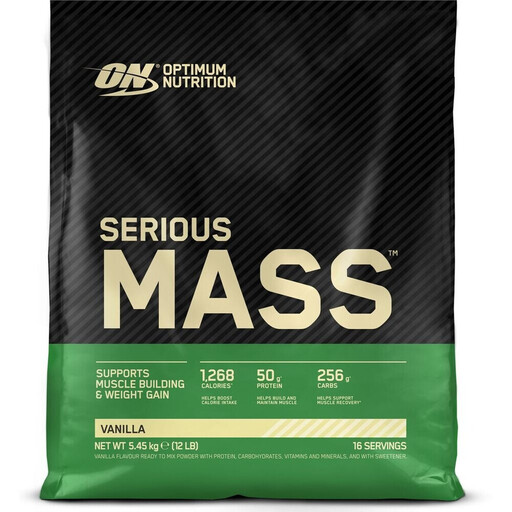
Why this product suits the profile: For adults with high calorie requirements, this weight gainer is designed for large servings and additional carbohydrates.
The very large serving size is clearly stated: around 334 g rather than a typical 25 to 30 g whey serving.
According to the product data, around 1,268 kcal, 50 g of protein, 256 g of carbohydrates and 3 g of creatine per serving.
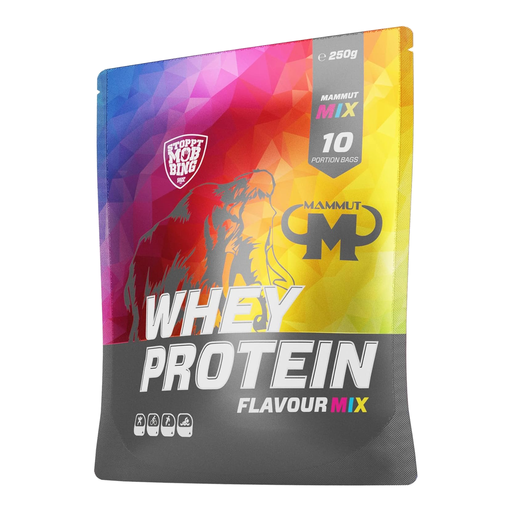
Why this product suits the profile: Ten individual sachets in different flavours make it easier to choose before placing a larger order.
The servings are individually packaged, so you do not have to buy a large supply of just one flavour straight away.
10 x 25 g, with 27 g of protein per serving according to the product description, plus several varieties for use on the go or after training.
We have put together a complete, regularly updated list of products that fully meet these strict selection criteria and the safety regulations applicable in the EU.
For a classic shake, 25 to 30 g of powder is usually mixed with around 200 to 300 ml of water or milk. Protein after training can be convenient when a protein-rich meal is not immediately available. The exact timing is less important when choosing a product than your overall daily diet.
You can also add powder to porridge, yoghurt or baking recipes. Bear in mind that additional ingredients change the calorie and sugar content. If you have intolerances or existing medical conditions, check the ingredients list and usage instructions particularly carefully and seek medical advice where appropriate.
The best-before date and packaging are the key factors. After opening, the powder should be stored in a dry, cool place, sealed and protected from light. Moisture, clumping or an unusual smell are signs that you should stop using the product.
Not necessarily. Isolate may have a higher protein content and, depending on the recipe, contain less fat or fewer carbohydrates. Concentrate is often a cost-effective choice. Compare the nutritional values, ingredients, tolerance and price per 100 g.
The serving stated on the packaging is the starting point. Individual protein requirements depend on body weight, activity level and diet. Protein powder supplements a varied diet and does not replace balanced meals. If you are unsure or have particular health considerations, consulting an appropriate medical professional is advisable.