
Lieferung heute & morgen

Qualitätsgarantie

Willkommens-Angebote freischalten: KOSTENLOSE Lieferung | Bis zu 80 % RABATT | Kostenlose 30-Tage-JoyPlus-Testphase
App herunterladen
Anyone looking to buy whey protein powder will quickly find a wide choice of brands, flavours and pack sizes. Terms such as ‘high protein’, ‘fast-acting’ or ‘for muscle building’ may sound clear, but on their own they reveal little about whether a product is genuinely suitable. The key factors are the nutritional values per serving, the protein sources, the ingredients list and how well it is tolerated.
This guide from the Joybuy Product Recommendation Officer explains what adults, fitness enthusiasts and active people should look for when buying whey protein powder – and which products may suit different usage profiles.
A large serving does not automatically contain a particularly high amount of protein. For comparison, you should look at the value per 100 g as well as per serving. Serving size also matters: a powder containing 23.7 g of protein in a 30 g serving cannot be directly compared with a product whose serving is considerably larger.
Whey protein may consist of whey protein concentrate, whey protein isolate or a blend of both. A whey protein isolate typically has a higher protein content and often contains less carbohydrate and fat. That does not automatically make it the more suitable choice for everyone. If you are working to a limited budget or are looking for a versatile product, a whey blend or multi-component protein can also be a sensible option.
Flavours such as Cookies & Cream, Strawberry, Banana, Chocolate and Vanilla can differ in terms of nutritional values and ingredients. Sweeteners, thickeners, flavourings and possible allergens should be checked before buying. Cookie or nut flavours in particular may also contain wheat, peanuts or other ingredients that must be declared.
The following information provides a useful basis for comparison:
When choosing a protein powder with a low sugar content, you should look beyond the marketing claim and check the nutrition table. Preparing it with milk also increases the energy and carbohydrate content compared with water.
Classic whey is suitable for many people as a protein shake after training or as a supplement to a protein-rich diet. A multi-component protein, by contrast, combines different sources with different properties.
According to the product information, Mammut Formula 90 Protein contains, among other ingredients, soy protein isolate, whey protein concentrate, milk protein and egg protein. Its formulation is therefore different from that of a whey protein isolate. The right choice depends on whether you want a single whey protein source or a blend.
Milk is a key allergen to look out for in whey products. Depending on the recipe, they may also contain soya, egg, gluten or nuts. The ingredients list on the relevant packaging is definitive, as information may vary according to the flavour or product batch.
If you have known allergies, intolerances or medical conditions, or have been advised by a doctor to follow a low-protein diet, seek medical advice before use. Protein powder is not a substitute for a varied diet.
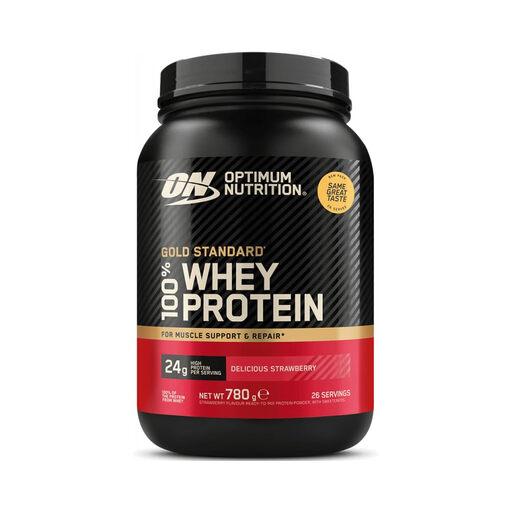
Why this product suits the profile: The smaller pack makes it easier to try the product and reduces the risk of buying a large quantity of a flavour you may not like. According to the product information, a 30 g serving provides 23.7 g of protein.
The nutritional information gives the protein, fat, carbohydrate and sugar content both per 100 g and per serving. This makes an objective comparison possible.
780 g pack, 30 g serving, 23.7 g of protein per serving according to the product information, and an easily dissolving powder.
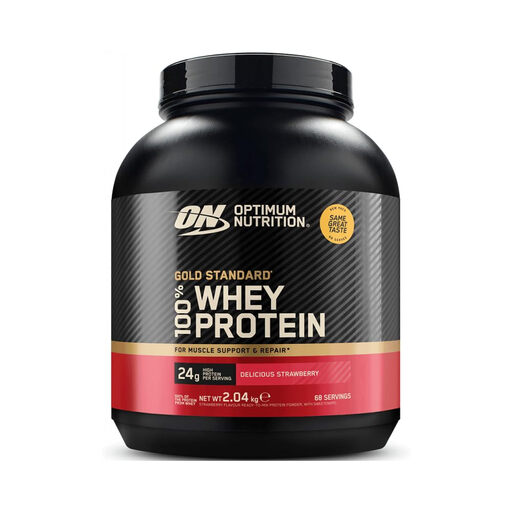
Why this product suits the profile: The 2 kg class is suitable for regular users who prefer a consistent recipe and a larger supply. According to the product data, this flavour contains 79 g of protein per 100 g.
The comparison is based on specific figures: 79 g of protein, 5.5 g of carbohydrates and 3.3 g of sugar per 100 g, according to the product description.
2,040 g pack, 23.7 g of protein per 30 g serving and whey protein isolate as part of the blend.
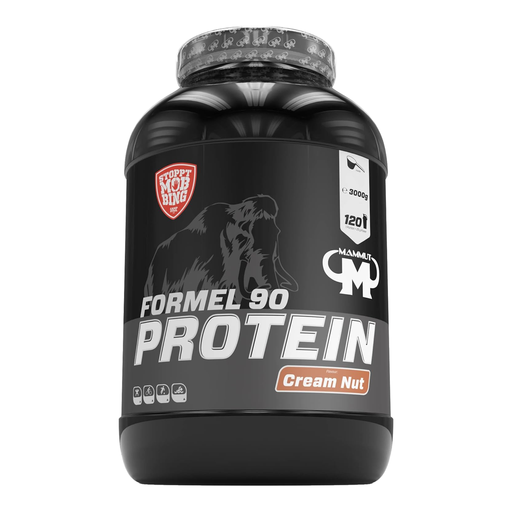
Why this product suits the profile: The 3 kg pack is appealing to frequent users looking for a multi-component protein containing soya, milk, whey and egg protein. According to the product information, the powder is vegetarian and made in Germany.
The formulation and allergens are clearly stated. It contains, among other ingredients, soya, milk, egg and cereals containing gluten – an important check before buying.
3,000 g pack, approximately 77% protein according to the product description, and four declared protein sources.
We have put together a complete, regularly updated list of products that fully meet these strict selection criteria and the safety regulations applicable in the EU.
For a classic shake, the product information usually recommends mixing 30 g of whey protein powder with 200 to 300 ml of water or milk. For Mammut Formula 90 Protein, the recommended preparation is 25 g of powder with 300 ml of low-fat milk. A shaker makes preparation easier, although the finished shake should be consumed promptly and not left unrefrigerated for an extended period.
The powder should be stored sealed, in a dry place and protected from direct sunlight. With larger packs such as 2 kg protein powder or 3 kg protein powder, it is important to use a dry scoop so that no moisture gets into the container. Once opened, follow the relevant manufacturer’s instructions regarding the period for use.
The serving size depends on the product. A serving of 25 to 30 g is common. The dosing recommendation on the packaging and your personal protein requirement from your overall diet are the deciding factors. The recommended daily amount should not be exceeded without a good reason.
A protein shake after training can be a convenient way to include protein in your daily routine. However, it is not necessary for everyone. What matters is your overall diet and whether your individual protein requirement is already being met through ordinary foods.
Shelf life depends on the best-before date, storage conditions and the manufacturer’s instructions. Once opened, the powder should be kept dry, tightly sealed and protected from heat. According to the product information, MAMMUT Formula 90 should be used within three months of opening.