
Lieferung heute & morgen

Qualitätsgarantie

Willkommens-Angebote freischalten: KOSTENLOSE Lieferung | Bis zu 80 % RABATT | Kostenlose 30-Tage-JoyPlus-Testphase
App herunterladen
Anyone looking to buy whey protein powder will find numerous products making similar claims: high protein content, easy mixing, BCAAs and suitability for muscle building. Price comparison alone is not enough. What matters is the nutritional value per serving, the protein source, the ingredients list and the pack size that best suits your needs.
This shopping guide from the Joybuy Product Recommendation Officer helps you assess marketing claims objectively and choose a protein powder that fits seamlessly into your everyday routine.
A large number of grams on the front of the pack does not automatically mean a high protein percentage. Always check the value per 100 g of powder as well as per serving. A product providing 24 g of protein in a 32 g serving may be assessed differently in everyday use from one providing 27 g of protein in 25 g of powder.
Preparation also affects the nutritional profile: water adds no extra calories, whereas milk increases the amount of energy, fat and carbohydrates.
Whey protein concentrate and whey protein isolate are different types of protein. Depending on the recipe, a concentrate may contain higher levels of other milk components, fat or carbohydrates. An isolate often has a higher protein percentage relative to the powder. The specific nutritional table for each product remains the decisive reference.
A multi-component protein powder may also contain soy, egg or milk protein. This is not inherently a disadvantage, but it should be compatible with your diet and any known allergies.
A large supply is only worthwhile if you enjoy the flavour over the long term. If you are unsure, a smaller pack or sample box may be the smarter choice. Single servings are convenient when travelling, while larger packs can reduce packaging waste. Claims such as “easy to mix” or “creamy” should be considered alongside the recommended amount of liquid and preparation method.
At a minimum, compare the following details:
A product containing around 70 to 80 g of protein per 100 g can be a practical addition for many fitness enthusiasts. However, your daily protein requirements should not be met exclusively through protein powder. A varied diet remains the foundation.
Pay close attention to the exact designation:
If you have a milk, soy, egg or gluten intolerance, allergen labelling is particularly important. The information on the product packaging takes precedence over general online descriptions.
A 300 g pack is suitable for trying a product, while 2 to 3 kg packs may be more economical for those who prepare protein shakes regularly. Before buying, check:
Sports nutrition products containing added creatine or a high carbohydrate content are no longer pure whey products. Such formulations may be of interest for specific training or calorie goals, but they should not be confused with classic protein powder.
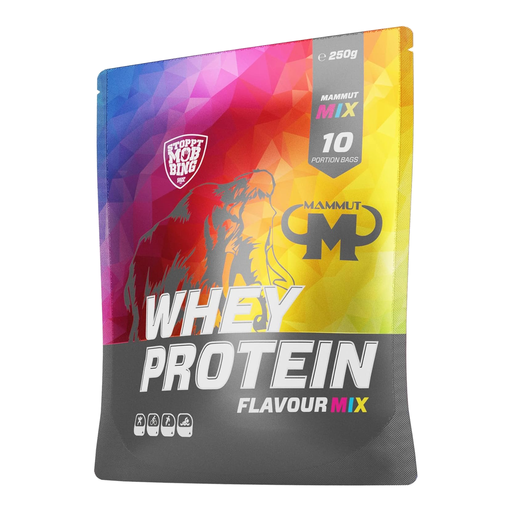
Why does it suit this profile? With ten individual servings, this sample box is ideal for anyone who wants to compare different flavours before committing to a larger pack.
The smaller pack reduces the risk of buying a large supply in a flavour you may not enjoy.
Ten 25 g servings; according to the product information, 27 g of protein per serving and several flavour options.
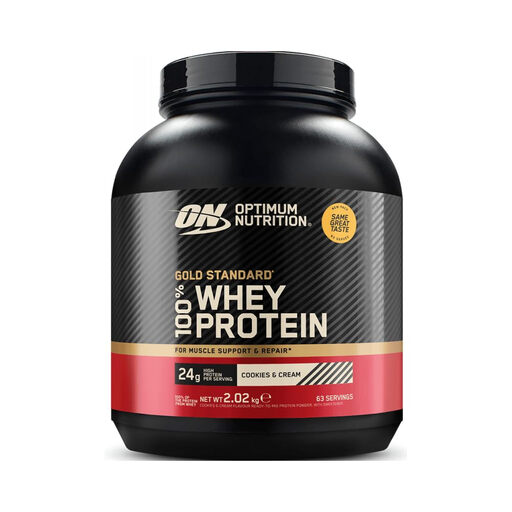
Why does it suit this profile? This large pack is aimed at adults who prepare protein shakes regularly and prefer a reliable supply at home.
The product information states 74 g of protein per 100 g and 22.2 g per 30 g serving, making it easier to compare the protein content with other products.
30 g serving; according to the product data, 113 kcal, 5.5 g of carbohydrates and 4.2 g of fat per 100 g of powder.
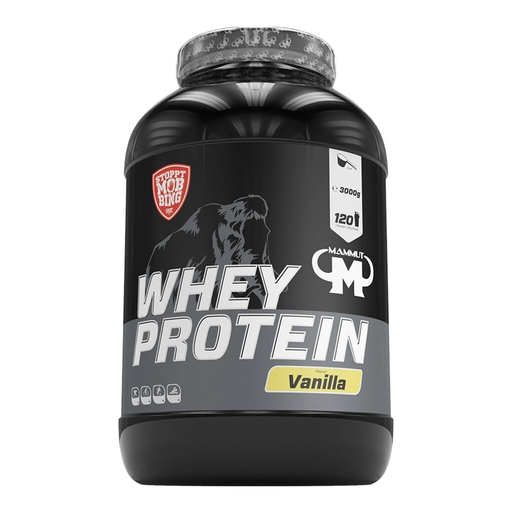
Why does it suit this profile? This 3 kg pack is suitable for strength athletes, bodybuilders and endurance athletes who regularly plan protein as part of muscle-building nutrition or as a snack.
The ingredients list identifies the product as whey protein concentrate rather than creating the impression that it is a pure isolate.
According to the product information, an average of 27 g of protein per serving; supplied with a scoop and resealable bulk pack.
Joybuy offers a continuously updated selection of nutritional powders and complementary products for different shopping profiles.
A protein shake can be used before or after training, or between meals. For many buyers, the exact timing matters less than total daily intake and tolerance. Mix the powder with water or milk according to the manufacturer’s instructions and consume the prepared shake promptly.
Products containing BCAAs often already provide the branched-chain amino acids leucine, isoleucine and valine found in whey protein. An additional BCAA product is therefore not automatically necessary. For formulations containing creatine, weight gainer ingredients or very high levels of carbohydrates, factor the total daily intake into your personal nutrition plan.
Follow the best-before date and the manufacturer’s storage instructions. Reseal the pack after every use, store it in a dry, dark place and use only a clean, dry scoop. Moisture can affect the powder’s consistency and usability.
No. Suitability depends on your personal goal, tolerance, budget and the nutritional values. Compare the protein, carbohydrate and fat content as well as the ingredients list. If you have intolerances, pay close attention to allergen information and follow medical advice where appropriate.
The recommended amount depends on your individual protein requirements, diet and training volume. Follow the usage recommendation for the product in question and do not exceed it without professional guidance. Food supplements are not a substitute for a varied and balanced diet.