
Lieferung heute & morgen

Qualitätsgarantie

Willkommens-Angebote freischalten: KOSTENLOSE Lieferung | Bis zu 80 % RABATT | Kostenlose 30-Tage-JoyPlus-Testphase
App herunterladen
Finding the right whey protein powder is not simply a matter of taste. Whey protein isolate, whey protein concentrate, multi-component blends and higher-calorie products can differ considerably in composition, serving size and intended use. If you focus only on familiar brand names or eye-catching advertising claims, you may end up paying for ingredients that offer no real benefit in your everyday routine.
“25 g of protein per serving” sounds clear at first. However, to make a fair comparison, you also need to know how large the serving is and how much protein the powder provides per 100 g. Depending on the product, one serving may be 25, 30 or 35 g. Some figures also refer to a shake made with milk rather than the powder alone.
Always compare:
Whey protein concentrate contains not only protein but also a certain amount of carbohydrates, fat and lactose. Whey protein isolate undergoes more extensive filtration and typically has a higher protein content. However, the exact composition depends on the individual product and flavour.
A blend of concentrate and isolate can be a sensible choice for many users looking for a balanced combination of protein content, taste and price. If you need to monitor carbohydrates or lactose particularly closely, check the complete nutritional information and ingredients list rather than relying on the product name alone.
A low-sugar protein powder may still contain sweeteners. “No added sugar” does not automatically mean that a product is free from carbohydrates. Check the figures for sugar and carbohydrates, as well as the sweeteners used, such as sucralose, acesulfame K or steviol glycosides.
Ingredients such as biscuit pieces, cereals or chocolate components can also increase the carbohydrate and allergen content. The packaging information for the specific flavour is crucial, as nutritional values can vary within the same product range.
For a classic protein powder for muscle building or to supplement your daily protein intake, protein content is the key comparison figure. A higher value per 100 g does not automatically mean that the product is better suited to your everyday needs. Tolerance, flavour, preparation and serving size are also important.
With whey protein isolate, the filtered whey protein content is usually more prominent. Depending on the recipe, a concentrate may contain more fat, sugar or lactose. Multi-component products may combine whey, milk, egg or soya protein, giving them a different ingredient profile.
Pay particular attention to allergen labelling for milk, soya, egg, wheat, barley, peanuts and nuts. Even a product that appears to be gluten-free in one flavour may contain cereal ingredients in another variety.
Examples from the selection:
A large tub is only economical if you use the powder regularly and can finish it within the stated storage period. For trying different flavours or taking it with you, 25-g sachets may be more practical. A 300-g bag is suitable for trying a product, while 2- to 3-kg packs may appeal to frequent users.
Store the powder in a dry place and keep it tightly sealed. A prepared protein shake should be consumed promptly and not kept unrefrigerated for an extended period.
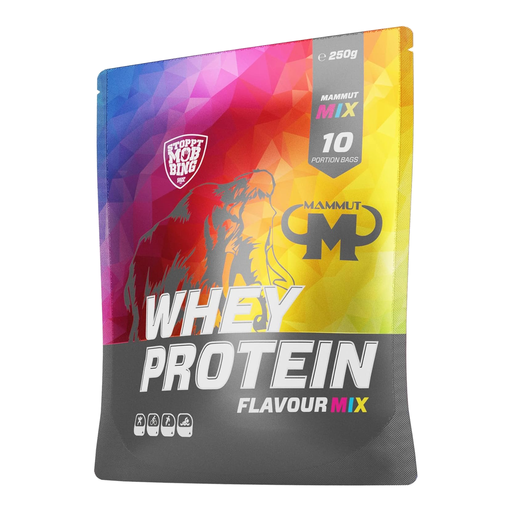
Why this product suits this profile: The ten individual portions let you try different flavours without having to buy a large pack straight away. This makes it suitable for beginners and for taking on the go.
The individual sachets reduce the risk of buying a large supply in a flavour you do not enjoy. The pack contains several varieties, each with 25 g.
Convenient individual portions and, according to the product information, around 27 g of protein per serving.
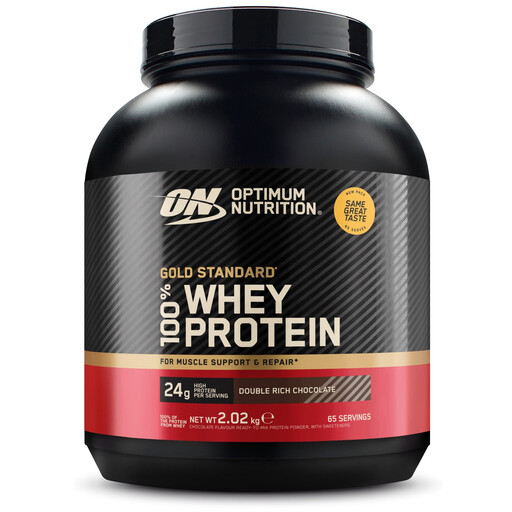
Why this product suits this profile: The large pack is aimed at regular users looking for a classic whey protein with clearly defined nutritional information and versatile preparation options.
The comparison basis is clearly stated: a 30-g serving, 79 g of protein per 100 g and 5.2 g of carbohydrates per 100 g, according to the product information.
2,020 g pack contents, around 24 g of protein per 30-g serving, and suitable for mixing with water or milk.
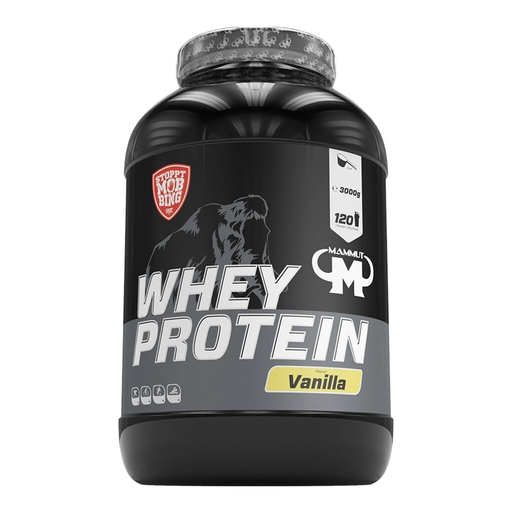
Why this product suits this profile: The large pack is designed for regular shakes. According to the product information, a 25-g serving is prepared with water or low-fat milk.
The information distinguishes between the powder and preparation with milk. This makes it easier to assess the actual calorie and protein content.
3,000-g pack, whey protein concentrate as the main ingredient and a scoop included, according to the product description.
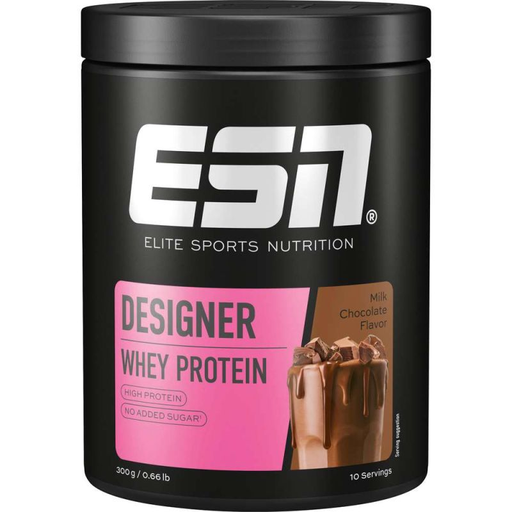
Why this product suits this profile: According to the product description, the blend of concentrate and isolate can be used in shakes, porridge and baking recipes.
The protein content of 76 g per 100 g is listed alongside the ingredients and allergens. This makes it easier to check the product beyond its flavour claims.
A 92% whey protein blend according to the ingredient information, plus a 300-g pack for a manageable supply.
We have put together a complete, regularly updated list of products that fully meet these strict selection criteria and the safety regulations applicable in the EU.
The recommended amount depends on the product. A serving of 25 to 30 g of powder is common. Follow the dosage instructions on the packaging and consider your individual daily protein intake. A shake is not a substitute for a varied diet.
There is no universal answer. Isolate typically has a higher protein content and fewer additional components. Concentrate may be a good choice in terms of flavour and price. If you are sensitive to lactose or have specific dietary goals, compare the nutritional values and ingredients of the individual product.
Follow the best-before date and the manufacturer’s storage instructions. Store the powder in a dry, cool place, protected from light and tightly sealed. Additional usage guidance may apply after opening. Do not use the product if it develops an unusual smell, becomes damp or starts to form lumps.