
Lieferung heute & morgen

Qualitätsgarantie

Willkommens-Angebote freischalten: KOSTENLOSE Lieferung | Bis zu 80 % RABATT | Kostenlose 30-Tage-JoyPlus-Testphase
App herunterladen
Anyone looking to buy whey protein powder will find numerous options with similar packaging but different recipes. Protein content, serving size, sweeteners, mixability and calorie content can vary considerably. For athletes, strength-training enthusiasts and active adults, it is therefore worth looking beyond the brand name or advertising claims.
For example, one product may advertise “27 g protein per serving”, while another states 75 g protein per 100 g of powder. These figures can only be compared if the serving sizes and preparation method are considered on the same basis. A protein shake made with milk will also contain more calories, carbohydrates and sugar than one mixed with water.
Whey protein concentrate and whey protein isolate differ mainly in their production methods and nutritional profiles. An isolate often has a higher protein content and fewer accompanying ingredients. However, concentrate may be perfectly adequate for daily supplementation. The key factors are the values per 100 g, your personal tolerance and your available budget.
A large pack of protein powder is only economical if you use it regularly. If you no longer want to drink a particular flavour after a short time, or if the powder forms lumps, you may not use the entire supply. For beginners or undecided shoppers, smaller packs or portions in several flavours may be the more practical choice.
First check whether the product is pure whey, a whey protein blend or a multi-component product. According to the product data provided, some recipes also contain casein, egg, soya or collagen protein. This may be relevant for certain dietary plans.
Also compare:
A low-carb protein should be assessed using the nutrition table, not solely the wording on the packaging. Values may vary depending on the flavour; the information on the specific packaging is decisive.
Whey protein contains milk ingredients and is therefore unsuitable for people with a corresponding allergy. Depending on the recipe, soya, gluten, egg or peanuts may also be included or present as traces. Read the full ingredients list, particularly for multi-component powders.
BCAAs do not necessarily need to be added separately either: whey naturally contains branched-chain amino acids. Buying additional BCAAs is therefore an individual dietary choice, not an essential part of every protein shake.
Follow the amount of liquid recommended by the manufacturer. Typically, 25 to 32 g of powder is mixed with around 180 to 300 ml of water or milk. Milk changes both the flavour and the nutritional values. A scoop makes measuring easier, but it does not replace checking the stated serving size.
After opening, store the powder in a dry, cool place, tightly sealed and protected from direct sunlight. The prepared shake should be consumed promptly and not kept unrefrigerated for an extended period. Food supplements should not be used as a substitute for a varied diet.
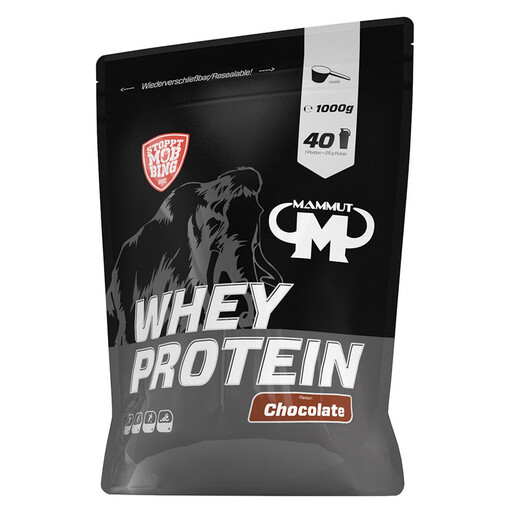
Why this product suits this profile: The 1 kg pack provides a manageable supply for regular protein shakes. According to the product information, one serving provides 27 g of protein when prepared with 300 ml of semi-skimmed milk.
The specific serving information makes comparisons easier. Before buying, you should still consider the values with water and milk separately.
Whey protein concentrate, measuring scoop and manufacturer-stated mixability in water or milk.
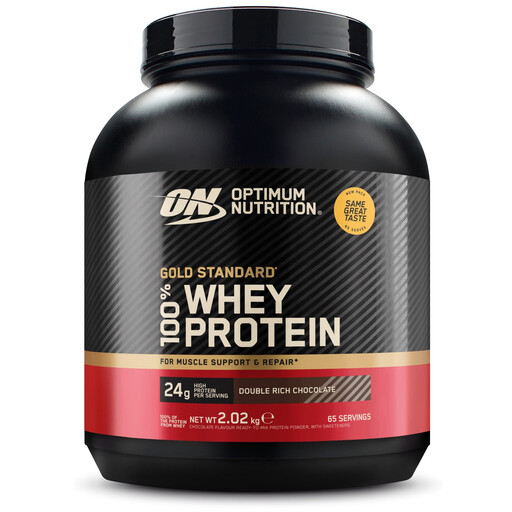
Why this product suits this profile: The product information states 24 g of protein per 30 g serving, along with a blend of isolate, concentrate and hydrolysed isolate. This suits people who compare nutritional values and protein sources in detail.
The figures per serving and per 100 g make the calorie, sugar and protein values easy to understand. Milk and soya are listed as allergens.
24 g of protein per serving, 113 kcal according to the product information, and intended preparation with water or milk.
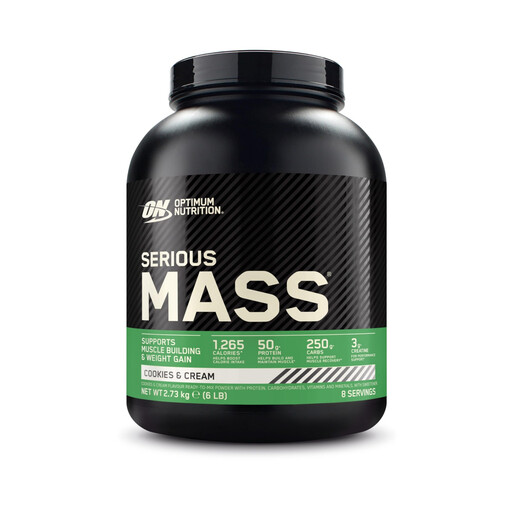
Why this product suits this profile: This is not a classic whey product for a low-calorie diet, but a weight gainer providing, according to the product information, more than 1,250 kcal, 50 g of protein and over 250 g of carbohydrates per serving.
The very large serving size of around 340 g is clearly stated. If you only want to supplement your protein intake, you should take the significantly higher calorie and carbohydrate content into account.
Large 2.73 kg pack, 50 g of protein per stated serving and 3 g of creatine monohydrate per serving according to the product description.
We have put together a complete, regularly updated list of products that fully meet these strict selection criteria and the safety regulations applicable in the EU.
A protein shake can be used after training, between meals or as part of breakfast. The exact timing is less important than your overall daily diet. If you want to reduce your calorie intake, pay attention to the protein, sugar and fat content and preferably mix the powder with water. For planned weight gain, a weight gainer containing plenty of carbohydrates may be more suitable than pure whey.
Creatine protein combines whey and creatine in one product. Check the amount of creatine per serving and take additional sources of creatine in your daily plan into account. If you are unsure, have an existing medical condition, take medication, are pregnant or breastfeeding, seek medical advice before use.
The best-before date on the packaging is the key reference. After opening, the powder should be stored in a dry, cool place in an airtight container. Moisture can affect its consistency and mixability. Also follow the manufacturer’s specific guidance on how long the product can be used after opening.
Many products recommend between 25 and 32 g of powder per serving. The actual amount of protein depends on the recipe. There is no single dosage that is suitable for everyone. Body weight, diet, training volume and the amount of protein already consumed are the decisive factors.
Concentrate and isolate are different forms of whey protein. Isolate undergoes more processing and often has a higher protein content, as well as less fat and fewer carbohydrates. Concentrate can be a suitable everyday option when it has a balanced nutritional profile. Check the product’s specific nutrition and ingredients lists.