
Lieferung heute & morgen

Qualitätsgarantie

Willkommens-Angebote freischalten: KOSTENLOSE Lieferung | Bis zu 80 % RABATT | Kostenlose 30-Tage-JoyPlus-Testphase
App herunterladen
Finding the right whey protein powder may seem straightforward at first glance. Many products promote a high protein content, BCAAs, an especially creamy flavour or fast results. However, other questions matter when making an informed purchase: How much protein does one serving actually provide? Is it whey isolate, whey concentrate or a blend? How many servings does the pack contain, and which sweeteners or allergens are included?
This buying guide from the Joybuy Product Recommendation Officer helps you put marketing claims into perspective and choose a protein powder that fits your everyday routine.
‘25 g protein per serving’ sounds informative, but it can only be assessed in relation to the serving size. A 30 g serving and a 100 g serving cannot be compared directly. That is why you should check the nutritional information per 100 g, as well as the recommended serving size.
For the products listed, the figures range from around 71 g to 79 g of protein per 100 g, for example. A mass gainer has a significantly lower protein percentage because it contains large amounts of carbohydrates and calories.
Whey protein isolate is more highly filtered and, according to product information, often has a higher protein content as well as less fat and fewer carbohydrates. Whey concentrate is generally the more affordable source of protein, but may contain more milk components and lactose. A blend combines several forms.
The specific ingredients list is what matters. If whey protein isolate appears first, it is the main ingredient by weight. In other products, whey concentrate forms the base. A blend is not automatically unsuitable, but it should match your nutritional goals.
A low price per pack says little about the actual cost per serving. Divide the pack contents by the recommended serving size, then check the price per serving. Smaller containers, such as 300 g packs, are suitable for trying a product, while 2 or 3 kg packs need to be repurchased less often by regular users.
Ingredients such as sucralose, acesulfame K, steviol glycosides, thickeners and lecithins should also be checked before buying. If you react to milk, soya, egg, gluten or nuts, you must pay attention to the allergen information on the packaging.
For a classic protein shake after training or as an everyday supplement, whey isolate, whey concentrate or a blend may be suitable. The available product data includes the following guide values:
For your daily protein intake, the overall balance from ordinary foods and supplements is what matters. Protein powder is not a substitute for a varied diet.
A classic whey product usually contains significantly fewer calories per serving than a mass gainer. Optimum Nutrition Gold Standard 100% Whey, for example, is listed as providing 113 kcal and 24 g of protein per 30 g serving. Values may vary depending on the flavour; the relevant packaging is the authoritative source.
According to the product description, a mass gainer such as Serious Mass provides more than 1,250 kcal, around 50 g of protein and over 250 g of carbohydrates per large serving. This may be relevant for people with high calorie requirements, but could be excessive if you simply want to supplement your protein intake. So check whether you actually need the additional calories and carbohydrates.
Most of the products presented are prepared with water or milk in a shaker. Pay attention to the recommended liquid volume: whey products often require around 180 to 300 ml, while a mass gainer needs considerably more. Milk improves the flavour and creaminess, but also increases the calorie and carbohydrate content.
Versatile powders are suitable for use in porridge, smoothies or baking. If you have a sensitive stomach, known allergies or take medication, you should seek medical advice before use.
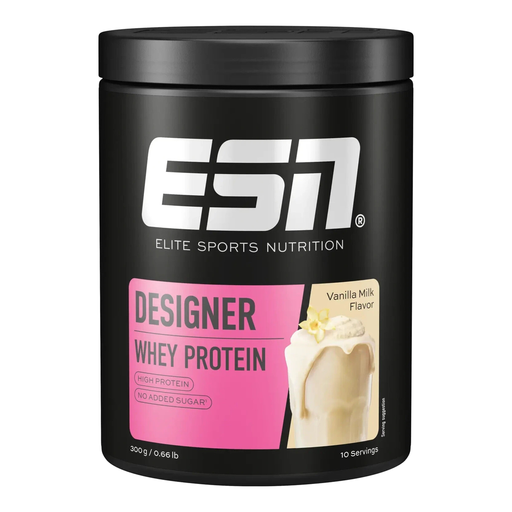
Why this product suits this profile: The 300 g pack offers an affordable way to get started without having to buy a large pack straight away. According to the product information, a 30 g serving provides 28.2 g of whey protein blend.
The serving information and the composition of concentrate and isolate are clearly stated. However, you should still check the flavour and allergen information before buying.
Compact pack size, vanilla milk flavour and preparation with water or low-fat milk.
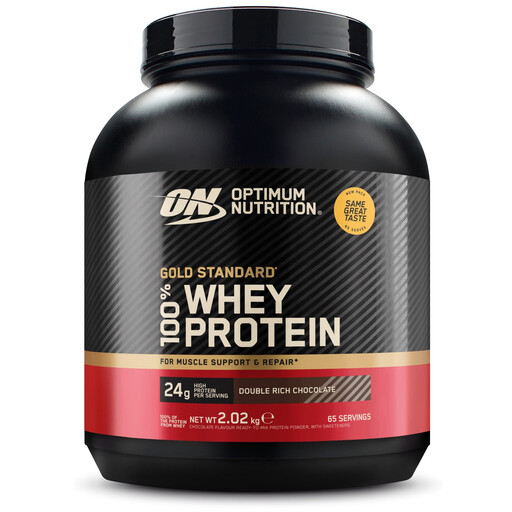
Why this product suits this profile: According to the product data, the formula combines whey isolate, concentrate and hydrolysed whey. Each 30 g serving is listed as providing 24 g of protein and 113 kcal.
Nutritional values are provided both per serving and per 100 g. Values and allergens may vary depending on the flavour, so the packaging is the key reference.
High protein content per serving, low stated calorie content and versatile use in shakes, smoothies or porridge.
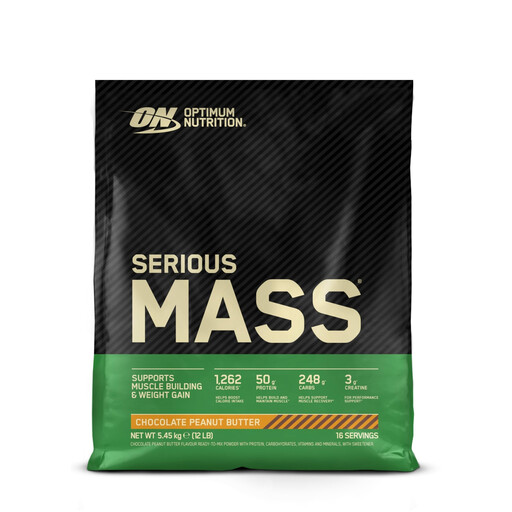
Why this product suits this profile: This mass gainer is aimed at adults who want to supplement not only protein, but also plenty of calories and carbohydrates. One serving is listed as providing more than 1,250 kcal, 50 g of protein and over 250 g of carbohydrates.
The large serving size makes it clear that this is not an ordinary whey product. For standard protein supplementation, the calorie content would often be unnecessarily high.
Large 5.45 kg pack, plus additional carbohydrates, creatine and vitamins according to the product description.
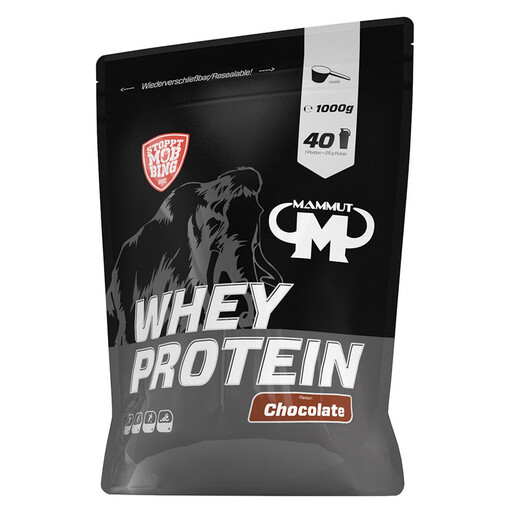
Why this product suits this profile: The 1 kg pack is designed for regular shakes between meals or after training. According to the product information, one serving provides 27 g of protein when prepared with milk.
The product data distinguishes between the powder values and preparation with milk. This makes it easier to plan the additional calorie and sugar intake.
1 kg pack, measuring scoop and, according to the description, good solubility in water or milk.
We have put together a complete, regularly updated list of products that fully meet these strict selection criteria and the safety regulations applicable in the EU.
When unopened, follow the best-before date shown on the packaging. Once opened, the powder should be stored in a dry, cool place, protected from light and tightly sealed. Also follow the product-specific instructions, such as using it within several months of opening. A prepared protein shake should be consumed promptly and not left unrefrigerated for an extended period.
Not necessarily. According to the nutritional information, whey isolate may have a higher protein content and less fat or fewer carbohydrates. Whey concentrate is often a suitable option for people looking for a classic protein powder. Your goals, tolerance, ingredients list and price per serving are the key factors.
A protein shake can be incorporated into your daily routine after training, between meals or at another suitable time. The exact timing is less important than your overall protein intake and a balanced diet. For products containing creatine, BCAAs or a high carbohydrate content, you should follow the dosage and safety instructions on the packaging.